
Last updated November 25, 2026
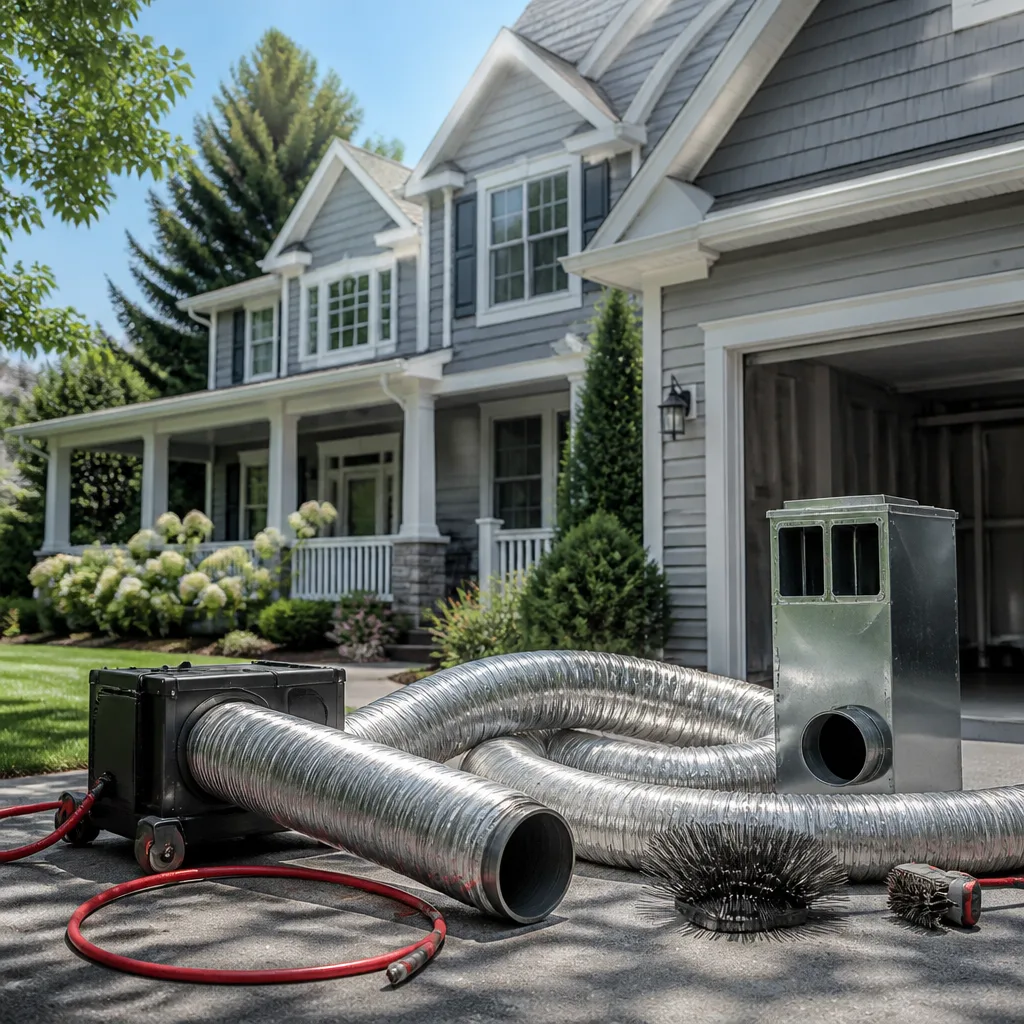 Whole-home duct cleaning
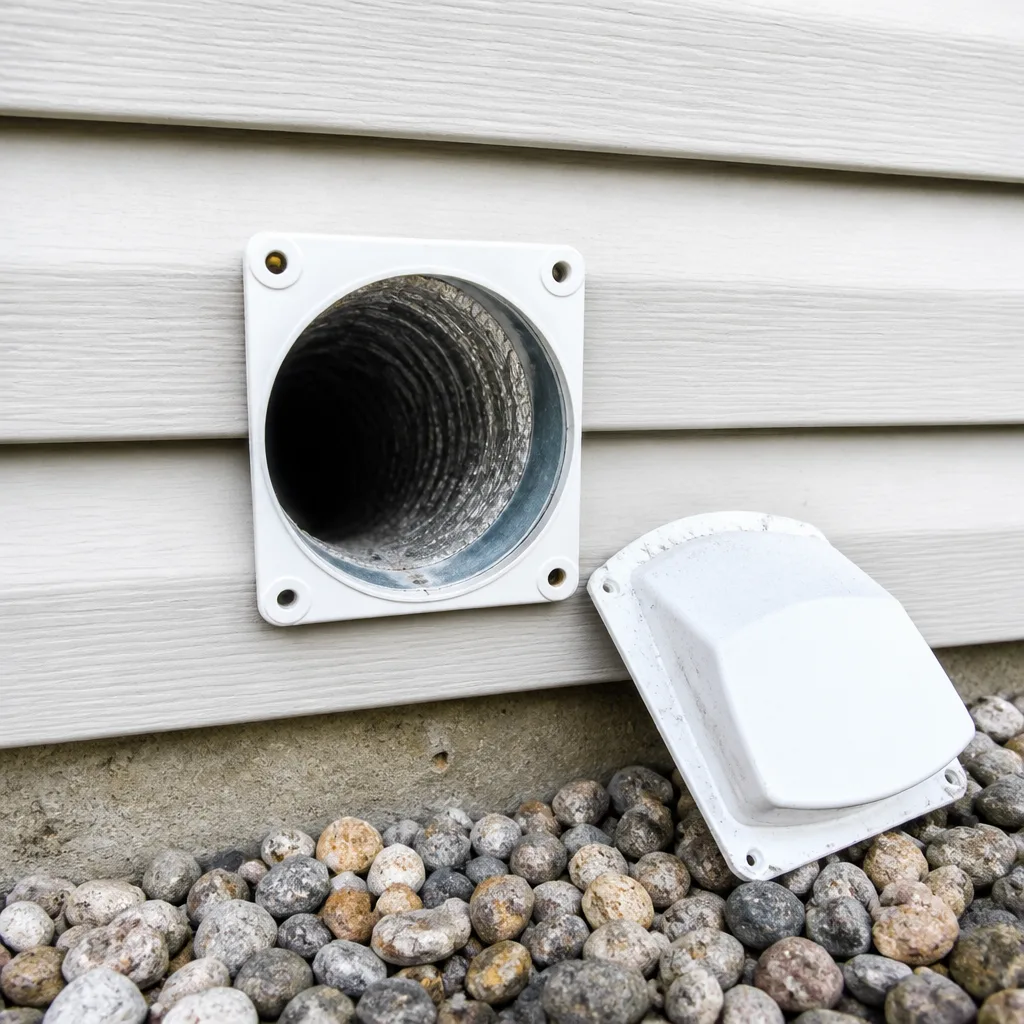 Dryer vent cleaning
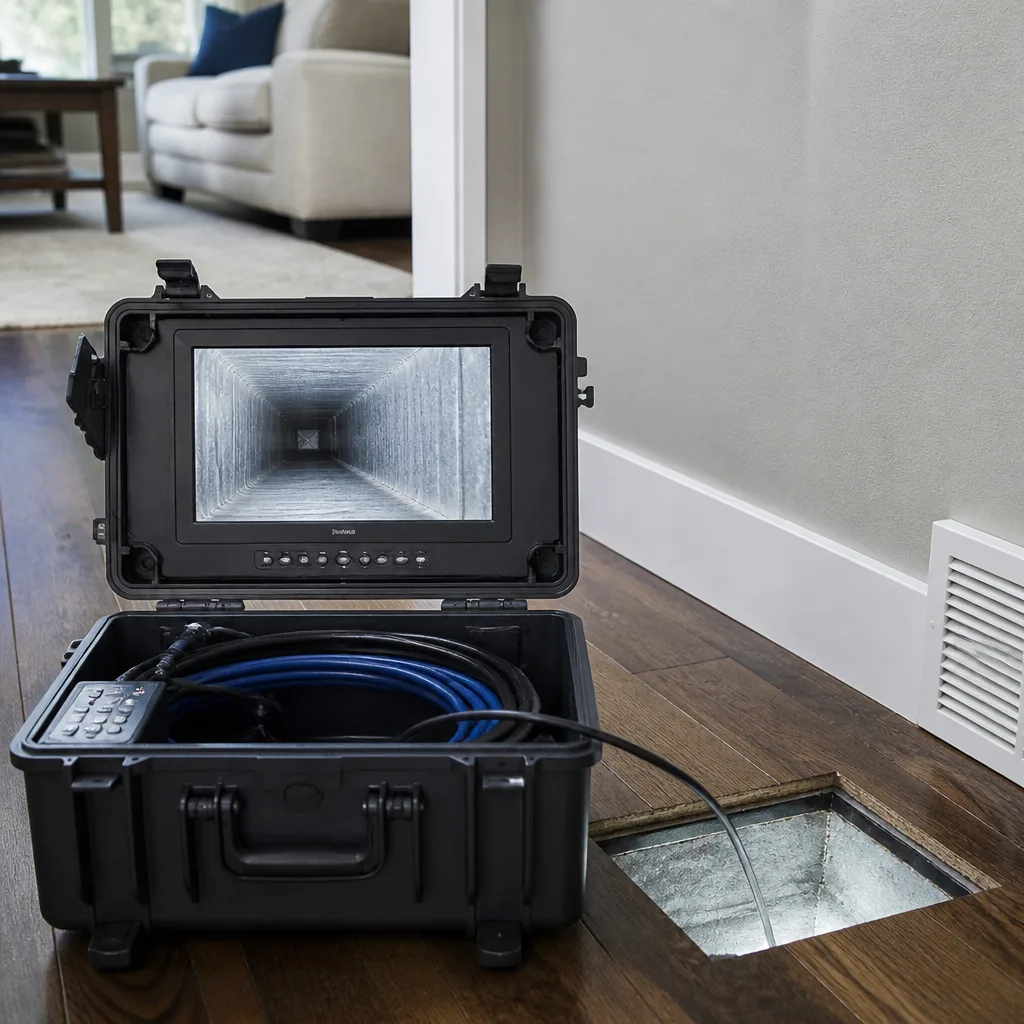 Camera inspection
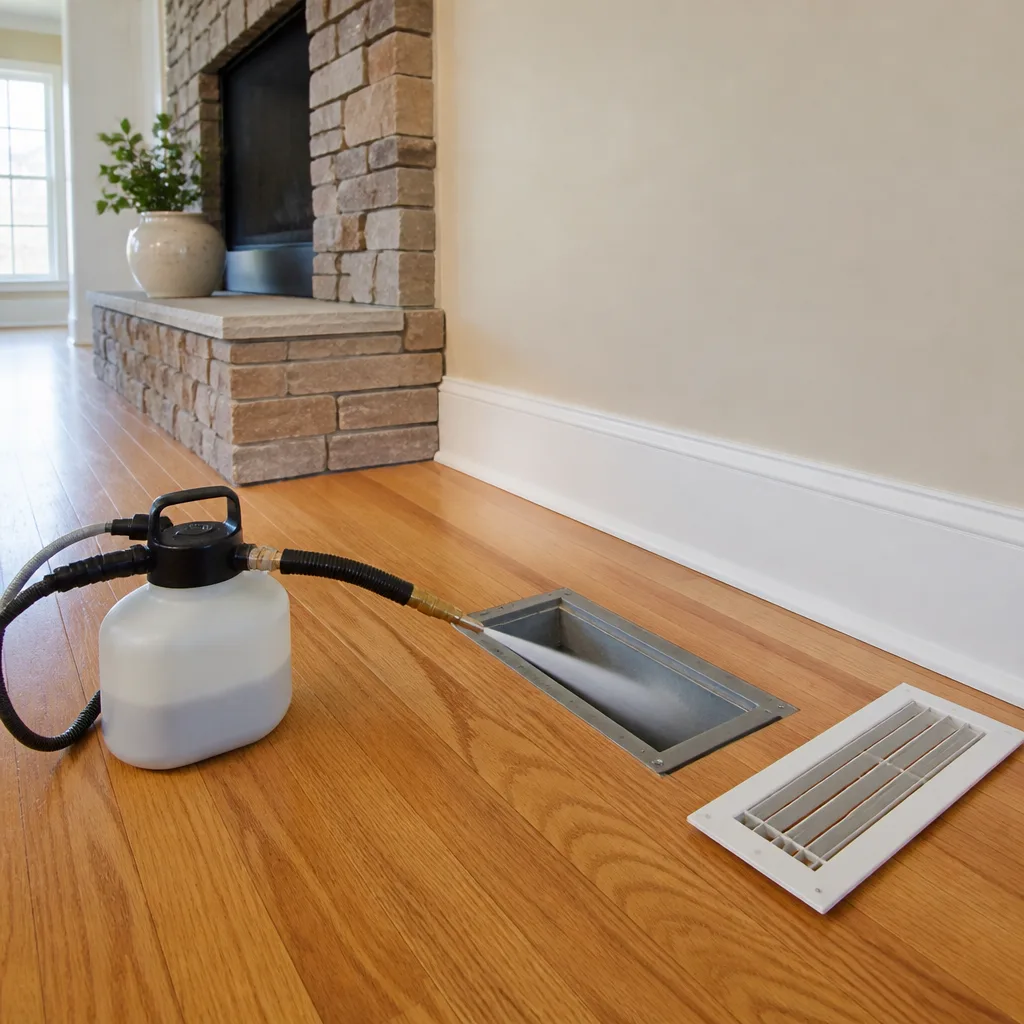 Sanitizing & deodorizing
Whole-system duct and dryer vent check with before-and-after photos - you see exactly what came out of your vents
That "$99 whole-house special" is a bait ad - the real number appears once they are in your hallway, or the "clean" is a shop-vac at the register. We photograph the inside of your ducts before and after instead.
Air Duct Cleaning Maintenance Schedule: What to Do and When
Most advice about duct cleaning repeats one number: every three to five years. That number is a floor, not a prescription. It was written for a generic house in a generic climate, and it doesn’t account for what actually fills ductwork in Lehi – construction dust from a valley that keeps building, smoke that settles in during wildfire season, and the simple fact that a home with two dogs and a kid with asthma is not the same as a retired couple’s townhouse. A useful maintenance schedule is built from a handful of variables, not a single calendar rule.
This guide lays out how to build a schedule that fits your home, what to do between professional cleanings, and when to stop guessing and call someone. Some of it you can handle with a flashlight and your phone’s camera. Some of it genuinely needs a technician. We’ll make the line between the two clear.
Quick Answer
Most Lehi homes need professional duct cleaning every three to five years, but that baseline shifts to every two to three years if you have pets, allergies in the household, recent renovation dust, or repeated wildfire smoke exposure. Between cleanings, change filters on schedule and check registers visually once a season. New HVAC installations should get ducts cleaned within the first year.
Styles & brands we work with
- Whole-home duct cleaning
- Dryer vent cleaning
- Camera inspection
- Sanitizing & deodorizing
Table of Contents
- Why the 3-to-5-Year Rule Is a Starting Point
- The Decision Matrix: What Moves Your Interval
- Timing Your Cleaning Around Lehi’s Seasons
- What to Do Between Professional Cleanings
- How to Track Contamination at the Register Boot
- Homeowner Tasks vs. Technician Tasks
- New Construction and New HVAC: The Special Cases
- Common Mistakes to Avoid
Why the 3-to-5-Year Rule Is a Starting Point
The familiar “every three to five years” recommendation comes from broad guidance written decades ago, well before anyone in Utah Valley was tracking inversion-season particulate the way we do now. It was framed as a rough guideline for a typical home, not a law of physics. Treat it as the floor of your schedule, the number you’d use if every other factor were average.
Here’s the issue with average: almost no home is average. Two houses on the same street in Lehi can have wildly different duct loads based on whether one has carpet and two cats and the other has hard flooring and a high-grade filter. The three-year mark that works perfectly for one might be two years too late for the other.
What actually loads up a duct system over time:
- Airborne particulate drawn in through the return – dust, pollen, smoke, construction debris
- Shedding from pets and people, which settles in the return plenum and register boots
- Filter bypass, where air slips around a poorly fitting filter instead of through it
- Small duct leaks that pull contaminated air from unconditioned spaces like attics or crawlspaces
- Moisture and dust combining into a film that sticks to duct walls and resists airflow
The right question isn’t “how often should ducts be cleaned” but “how fast is my specific system accumulating material.” That depends on your home, your family, and where you live – which is what the next section is for.
The Decision Matrix: What Moves Your Interval
This is the part most schedules skip. Your actual cleaning interval should be adjusted up or down based on five factors. Read through each and tally how many apply to your household – that gives you a working interval to start from.
Factor 1: Pets
A home with one short-haired pet lands closer to the standard three-to-five-year range. Homes with multiple pets, long-haired breeds, or indoor-outdoor animals should expect to clean closer to every two to three years. Pet dander and hair load the return ducts faster than almost anything else because the hair is large enough to settle out of the airstream early rather than traveling all the way through.
Factor 2: Allergies and respiratory conditions
If anyone in the house has asthma, seasonal allergies, or a compromised respiratory system, dropping your interval to every two to three years is sensible even if nothing else applies. The goal isn’t medical treatment – we’re not doctors – but reducing the particulate your system circulates is a straightforward way to lighten the load on a sensitive household.
Factor 3: Recent renovation or construction
Drywall dust is fine enough to travel through the whole system and settle for good. If you’ve finished a basement, replaced a kitchen, or moved into a recently built home in Lehi, get the ducts cleaned once within the first year regardless of your normal schedule. This is the single biggest reason we recommend an early first cleaning.
Factor 4: Wildfire smoke exposure
Utah Valley gets smoke intrusions in the summer and particulate during winter inversions. Homes that run their systems through heavy smoke seasons accumulate fine ash in ductwork and on components. If you’re in an area that sees multiple smoke events a year, shorten your interval by a year.
Factor 5: New HVAC installation
A new furnace or air handler does not clean the ducts it connects to. If you’ve replaced the equipment without cleaning the ductwork, you’ve just moved contaminated air faster through a fresh system. Clean the ducts with the equipment change, not after.
Rough guidance: start at three to five years. Subtract a year for each factor that applies. Most Lehi households land in the two-to-three-year range once pets, allergies, or construction dust is accounted for.
Timing Your Cleaning Around Lehi’s Seasons
When during the year you schedule a cleaning matters less than doing it consistently, but the Lehi climate does favor certain windows. The two natural anchors are early spring and early fall.
Why early spring works
Winter inversion season concentrates particulate in the valley air, and a home’s system pulls that air in for months. Scheduling a cleaning in early spring, after the inversion patterns break up, means you’re clearing out a full season of accumulated material before the cooling season starts and the system starts moving more air. It also gets you ahead of pollen, which peaks shortly after.
Why early fall works
Summer wildfire smoke is the other major load in Lehi. A cleaning in early fall catches that accumulated smoke ash before you close the house up and start running the furnace for the cold months. If you do only one cleaning a year, fall is the more important window for most households here.
Realistic scheduling
You don’t need to time it perfectly. If your system is loaded and you’ve been putting it off, get it done whenever you can, then reset your rhythm. The seasonal anchors are about maximizing efficiency, not a hard requirement.
When the cleaning happens, use it as an opportunity to have the whole air pathway checked. Our air duct cleaning in the area covers blower to vent, so a single visit can address the ducts, the air handler, and any register boots that need attention. If the technician finds compromised ductwork during the inspection, Lehi Air Duct Cleaning handles repair and sealing in the same service call rather than leaving you to coordinate a second contractor.
What to Do Between Professional Cleanings
The gap between professional cleanings is where most homeowners leave efficiency on the table. The right habits extend the useful life of a cleaning by months and reduce the load your system carries into the next cycle. None of these require a technician.
- Change the filter on schedule. A one-inch filter needs replacing every one to three months depending on the home; a thicker media filter goes three to six months. Pet hair and heavy dust shorten that. A clogged filter forces air to find other paths, including around the frame and into the ducts.
- Check the filter fit. Hold the filter up to the frame. If you can see gaps at the edges, air is bypassing it. A cheap fix is a strip of foam weatherstripping around the frame; a better fix is a properly sized filter housing. Bypass is one of the most common culprits behind duct contamination in homes we inspect.
- Vacuum the return grille. The visible surface of your return grilles collects dust and pet hair. Vacuuming that surface monthly, and wiping it down with a damp cloth, keeps the material from getting pulled deeper into the system.
- Check the register boots. Pop the cover off a few registers and shine a light into the boot. You’re looking for dust build-up, dark film, or visible debris. We cover how to do this properly in the next section.
- Look at your duct seams. Anywhere you can see ductwork – attic, basement, crawlspace – check the seams and joints for separated tape or gaps. A small leak pulls unpaid, unfiltered air into the system. If you spot a leak, note it for the technician; sealing is a duct-integrity job, not a tape-it-yourself task.
- Watch your filter for premature darkening. If a filter that normally lasts three months is dark in one, something is loading the system. Could be a leak, could be construction nearby, could be a filter-seat problem. It’s a signal worth investigating.
- Keep the return path clear. Furniture, rugs, or pets blocking return grilles raise system pressure and can pull dust in from other seams. Keep a foot of clearance around every return.
How to Track Contamination at the Register Boot
Cleaning “on evidence” means inspecting the register boot, not just the grille. The grille is the visible faceplate; the boot is the metal box behind the wall or floor opening that transitions from the duct to the room. Contamination shows up there first and it’s the easiest spot in the system to inspect without any tools.
Here’s the process:
- Choose three registers – one near the air handler if you can find it, one at the far end of the system, and one in the room where you spend the most time.
- Remove the grille (most are held with two screws or a few quarter-turn latches).
- Turn on your phone’s flashlight and look up into the boot at a shallow angle. Photo straight up is useless – the light reflects off the metal. Angle the light so it rakes across the surface.
- Take a photo with the light at that angle. This becomes your record, and you can compare it in six months.
- Look for three things: a visible coating of grey dust on the metal, dark sticky film (sign of moisture), and debris like hair, insulation fibers, or drywall dust chunks sitting on the boot floor.
What the results mean:
- Light dusting only: normal, wait for your scheduled interval.
- A visible grey layer or hair accumulation: the system is loading – start planning a cleaning.
- Dark sticky film: moisture is present somewhere in the system; get it inspected sooner rather than later, because damp dust supports biological growth.
- Construction-dust chunks or insulation debris: this is beyond typical accumulation; get it cleaned.
Repeat the inspection at the same three registers every six months. Compare photos. You’re building an evidence trail rather than guessing. When you decide it’s time, our professionals run Rotobrush and Nikro mechanical cleaning equipment, plus Abatement Technologies negative-air containment so dislodged debris is captured rather than redistributed through the house.
Homeowner Tasks vs. Technician Tasks
Not everything on a duct maintenance schedule needs a professional. Some of it is well within range for a homeowner with basic tools. Knowing which is which saves money and prevents the two worst outcomes: paying for work you could have done, or damaging equipment trying to do work you shouldn’t have.
What a homeowner can handle
- Replacing filters on schedule – safe, straightforward, high impact
- Vacuuming return grilles and register faceplates monthly
- Photographing register boots to track dust accumulation
- Visual inspection of accessible ductwork for separated tape or gaps
- Keeping furniture and rugs clear of returns
- Checking filter fit and adding weatherstripping to close bypass gaps
What needs a technician
- Mechanical cleaning of the duct interior – homeowner vacuums don’t generate the air velocity or agitation needed to dislodge settled dust, and brushing tools need to be matched to duct material
- Cleaning the air handler, evaporator coil, and blower – access and equipment required, and mistakes can damage the coil
- Sealing duct leaks in attics or crawlspaces – needs correct mastic or foil tape rated for ductwork, and safe access to the duct run
- Diagnosing why a filter is loading prematurely – could be a leak, could be an air-balance issue
- Sanitizing a system after moisture intrusion or biological growth – requires proper products and protective practices
- Cleaning a dryer vent run – the fire-safety risk makes this a job for someone with the right equipment
- Installing air quality equipment like media filters or humidifiers
If you’re not sure which category a task falls into, a phone call is the cheapest next step. We’re happy to tell you it’s a five-minute filter job rather than book a visit.
New Construction and New HVAC: The Special Cases
Two situations override the normal schedule entirely, and both are common in a fast-growing area like Lehi.
Newly built homes
Construction dust gets into ductwork during the build process. Even on a carefully finished home, drywall dust, sawdust, and insulation fibers find their way into the system before the final clean. The ducts get sealed up with material already inside them. Schedule a cleaning in the first year after you take possession, ideally right after your first filter change shows the system settling.
Recently installed HVAC equipment
If you replace a furnace, air handler, or AC system, the new equipment goes onto existing ductwork. Cleaning the ducts at that moment means the new equipment starts its life with a clean air path. Skip it and the new blower pulls existing contamination into the new components from day one. The same rule applies to installing a new air quality system – media filters, humidifiers, or UV systems should go onto a clean system.
Recent renovation
Kitchen and basement remodels release a surprising amount of fine drywall dust into the house that creeps into the return. If the renovation involved wall openings near returns or significant sanding, plan a cleaning within six months of completion. If the work is ongoing, cover returns during demolition rather than cleaning after.
Duct repair and sealing
If a technician finds a compromised duct during any visit – separated sections, torn flex duct, failed tape joints – cleaning and repair belong in the same service. Cleaning without repairing leaks leaves the system pulling contaminated air from unconditioned space. Our repair and sealing is done in-house, so you don’t need to book a second contractor after a cleaning visit.
Common Mistakes to Avoid
- Cleaning “on the calendar” instead of on evidence. A rigid three-year schedule misses a home that should be on two, and over-cleans a home that could go five. Photograph the register boots and adjust.
- Skipping the air handler. Cleaning ductwork while leaving the blower, coil, and drain pan untouched leaves half the contamination in place. The full-system approach covers blower to vent, not just visible ducts.
- Not checking filter fit. A perfectly fitted filter still leaks air at the edges if the housing is loose or the wrong size. Bypass is one of the most common hidden causes of fast duct loading.
- Assuming “duct cleaning” means the whole air pathway. Not every provider cleans the HVAC components, the register boots, or offers repair. Ask directly what’s included before you book. In Lehi, call us and we’ll walk through the scope.
- Ignoring a dryer vent. Dryer vent cleaning is a separate service from duct cleaning and it’s a fire-safety item, not a cleanliness one. Many duct cleaners skip it entirely – if your dryer is taking longer to dry clothes or the vent line has never been cleaned, book that on its own track.
- Postponing after a big renovation. Fine drywall dust settles into ductwork and stays there. The right time to clean is within the first few months after a remodel, not at your normal interval.
- Treating a visual as proof. A duct that looks clean at the register can still have a dust layer deep in the run. The register boot is a sample, not the whole story – which is why the technician-side inspection matters at cleaning time.
See the difference
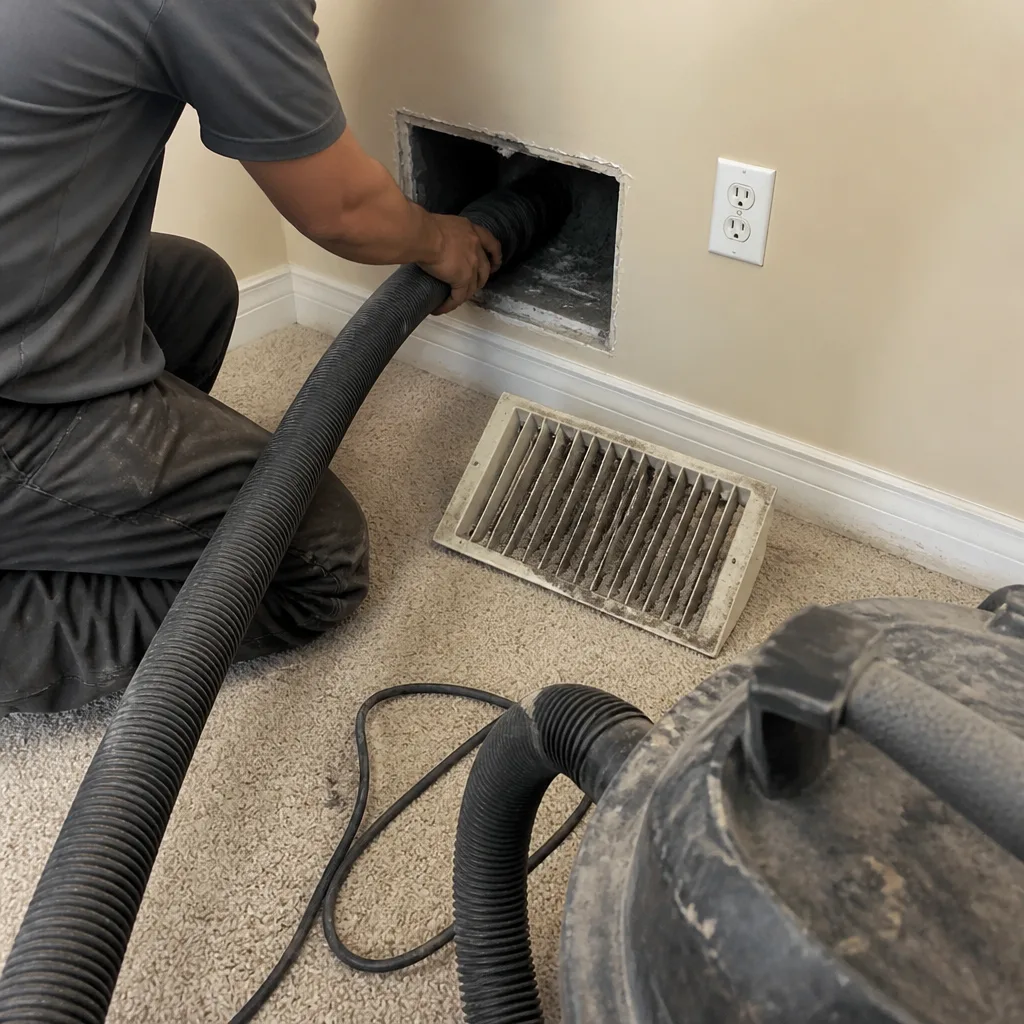 Before
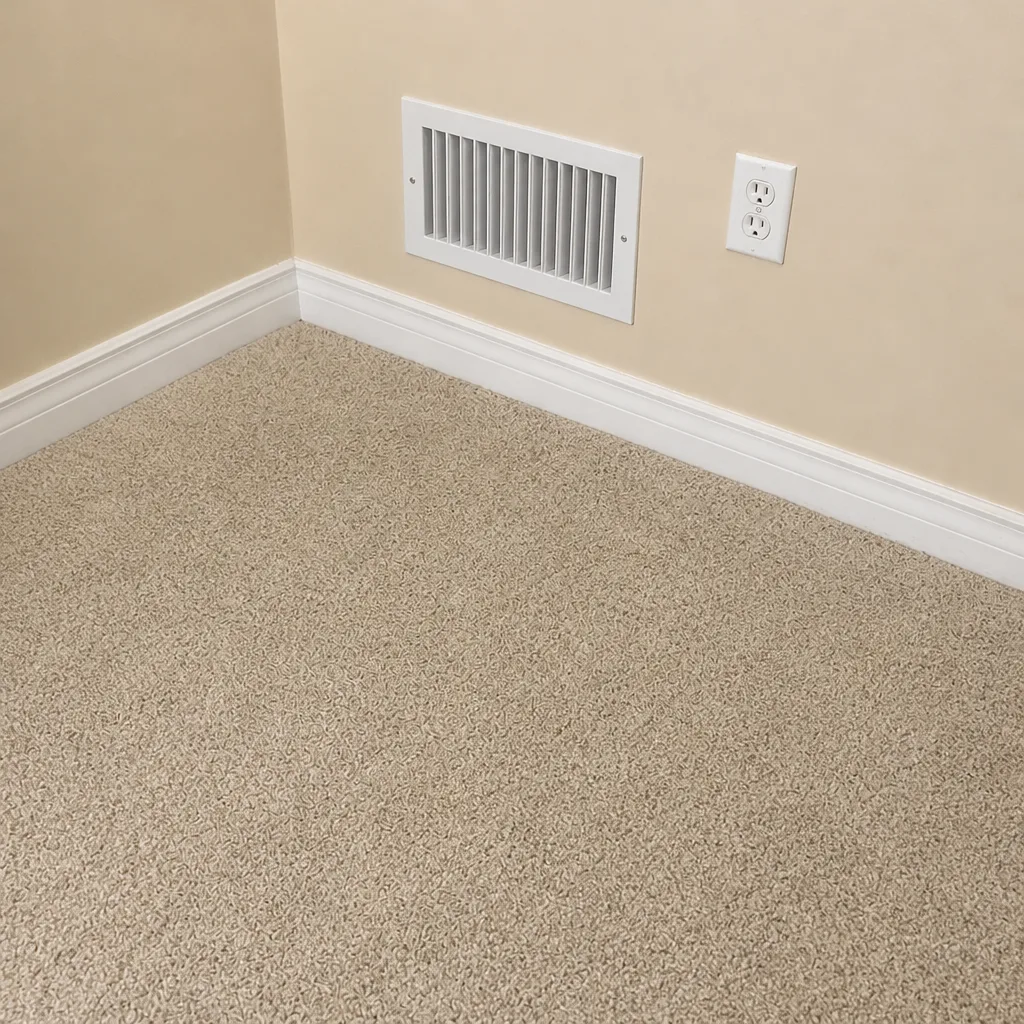 After
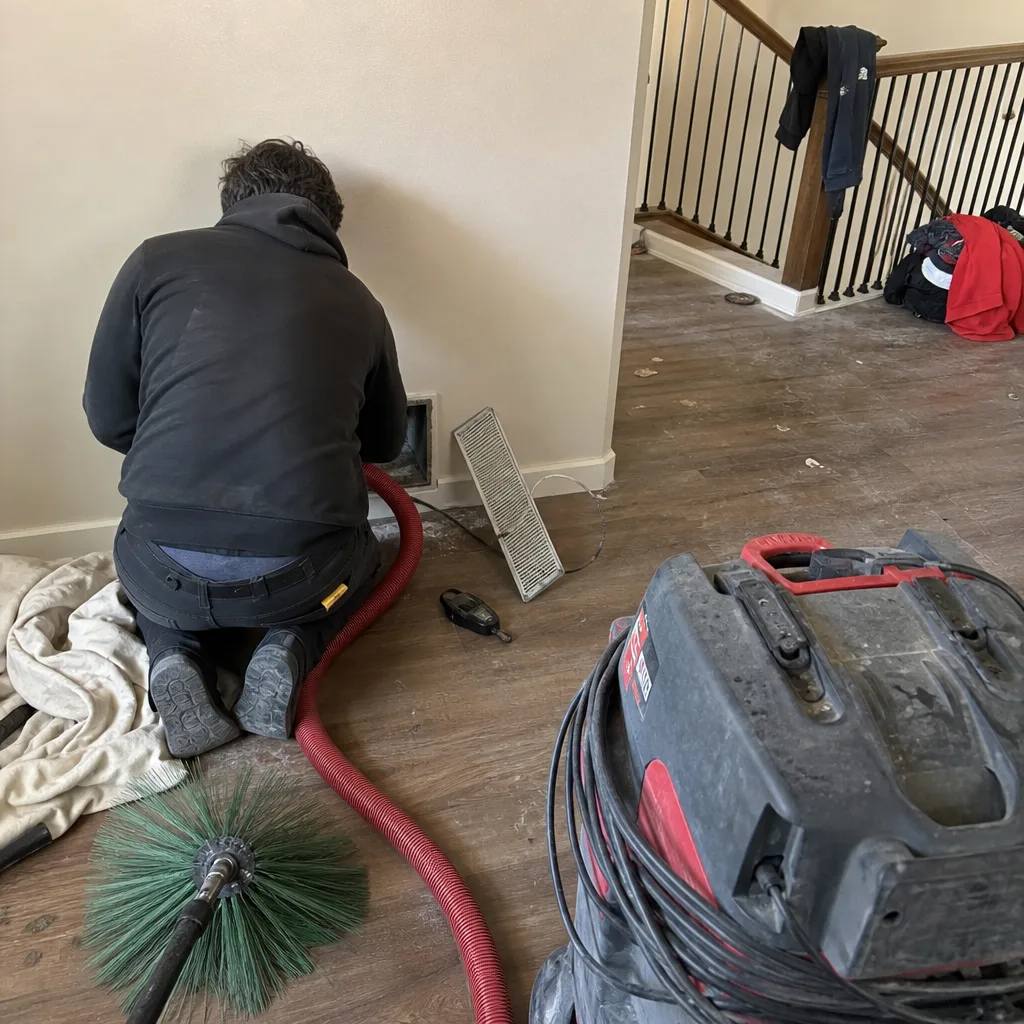 Before
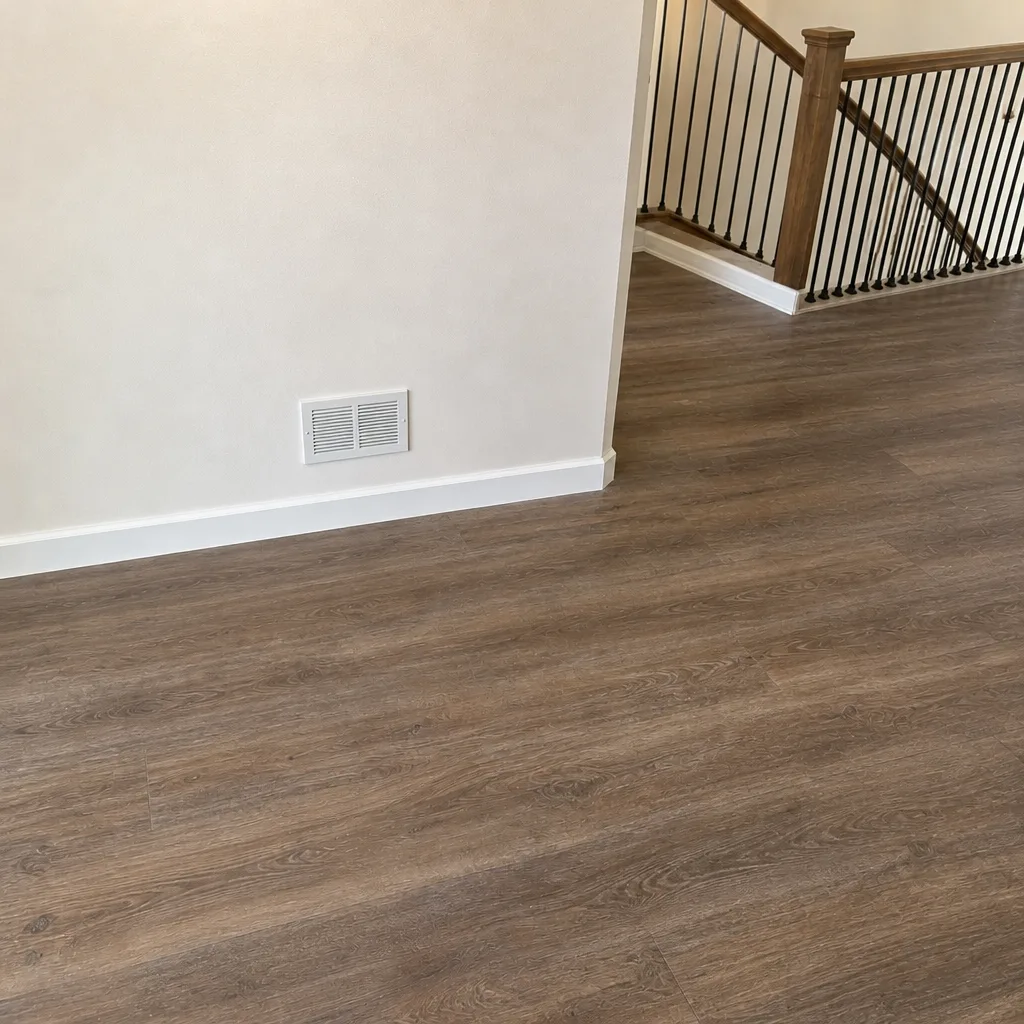 After
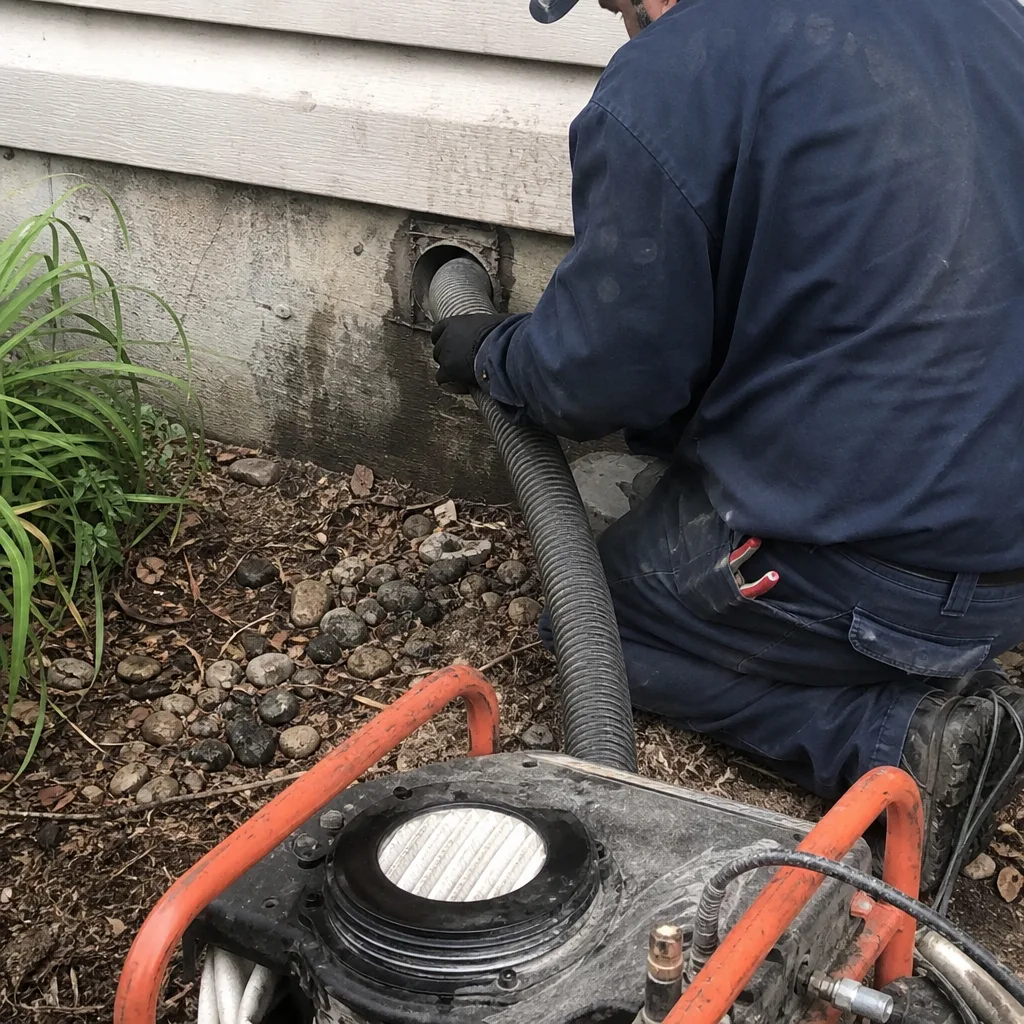 Before
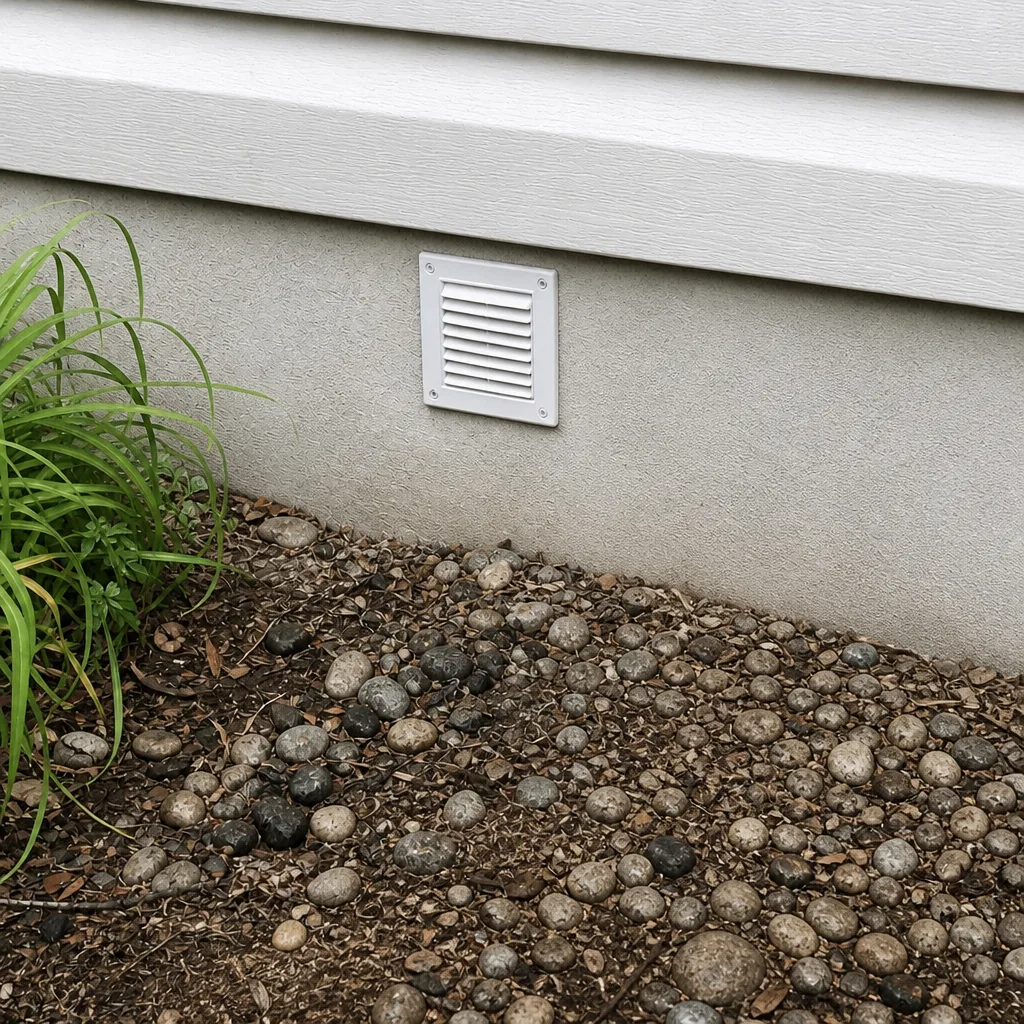 After
When to Call a Professional
You need a technician on the phone, not a to-do list, if any of these apply: you’ve just finished a major renovation; you’ve moved into a newly built home in Lehi; your filters are loading far faster than usual; you’re seeing dark staining or musty odor at registers; you can see separated tape or torn flex duct; your dryer takes two cycles to dry a normal load; or you’ve never had the system cleaned and you’ve lived there for years. Any of those is enough to warrant an inspection.
Lehi Air Duct Cleaning offers free estimates in Lehi – call (833) 513-8123. We answer 24/7. Fast dispatch from 7am to 7pm, Sunday through Friday. Our technicians have up to 8 years of experience, and we use Rotobrush and Nikro cleaning equipment with Abatement Technologies negative-air containment, so the work is thorough and the debris is captured, not redistributed. If the inspection shows the ducts are in good shape, we’ll tell you that too.
Frequently Asked Questions
Most Lehi homes should be cleaned every three to five years, but the practical interval for most households here is two to three years once you factor in pets, allergies, wildfire smoke exposure, and construction dust. If you’ve had a recent renovation or moved into a new build, clean the ducts within the first year. Call (833) 513-8123 for a free estimate on your specific system.
No. That guidance was written as a rough floor for a typical home, not a universal rule. Homes with pets, allergy sufferers, recent renovations, or wood-burning appliances should clean closer to two to three years. Homes with hard flooring, no pets, and good filtration can go longer. The register-boot inspection is a better guide than the calendar. Call us if you’re unsure which group you’re in.
Yes, and within six months of the work finishing. Drywall dust is fine enough to travel through the entire duct system and settle permanently. Cleaning right after a renovation is one of the highest-value cleanings you can do, because you’re removing material that would otherwise cycle through the house for years. Call (833) 513-8123 to schedule one.
No. A shop vacuum doesn’t move enough air volume to dislodge settled dust from duct walls, and pushing a vacuum hose into a duct run risks damaging flex duct, disconnecting fittings, or pushing debris further downstream. Mechanical cleaning with proper agitation and negative-air containment is what actually removes material. Filter changes, register vacuuming, and visual checks are the homeowner-side tasks. Call us for the rest.
Pop a register cover off and look up into the boot at a shallow angle with a flashlight. A visible grey dust coating, hair accumulation, or dark sticky film means it’s time. A light dusting only means you can wait. Photograph the same three registers every six months to track the trend. For a professional inspection, call (833) 513-8123 – the estimate is free.
Yes, and in the same visit is best. New equipment connects to existing ductwork, and cleaning at that moment means the new blower starts pulling clean air instead of whatever was in the ducts. Clean ducts extend the useful life of new filters and coils. Our HVAC cleaning touches the equipment, and the ducts get cleaned alongside it. Call (833) 513-8123.
If your dryer is taking longer to dry clothes, that’s a separate schedule from the ducts and worth its own attention. Our dryer vent cleaning addresses the lint accumulation that builds up in the vent line, which many duct-only providers skip entirely. The full air-pathway scope – ducts, dryer vents, HVAC, duct repair, and air quality – means one call can handle every link in the system, from blower to vent.
The Bottom Line
Don’t clean on the calendar; clean on evidence and household factors. Start with the three-to-five-year baseline, subtract a year for each factor that applies – pets, allergies, renovation dust, wildfire smoke exposure, new HVAC – and inspect the register boots twice a year to see how fast your system is actually loading. Between cleanings, change filters on time, close filter-frame gaps, and keep returns clear. When the evidence says it’s time, get the full air pathway looked at, not just the ducts. If you’d rather talk it through with someone who’ll tell you it’s too early as readily as too late, that’s why we’re here in Lehi.
Call (833) 513-8123 for a free estimate. We answer 24/7. Fast dispatch from 7am to 7pm, Sunday through Friday, closed Saturday.
Written by the team at Lehi Air Duct Cleaning.