
Last updated November 25, 2026
 Whole-home duct cleaning
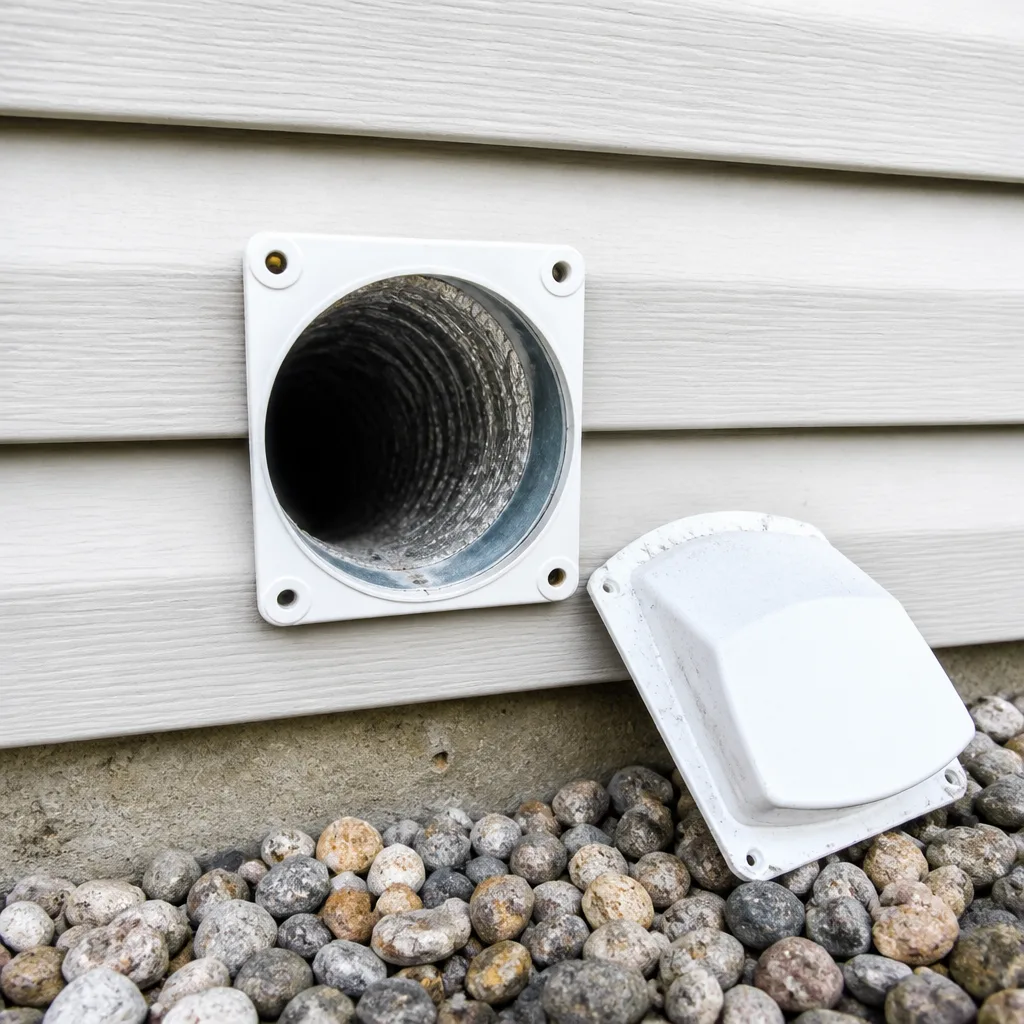 Dryer vent cleaning
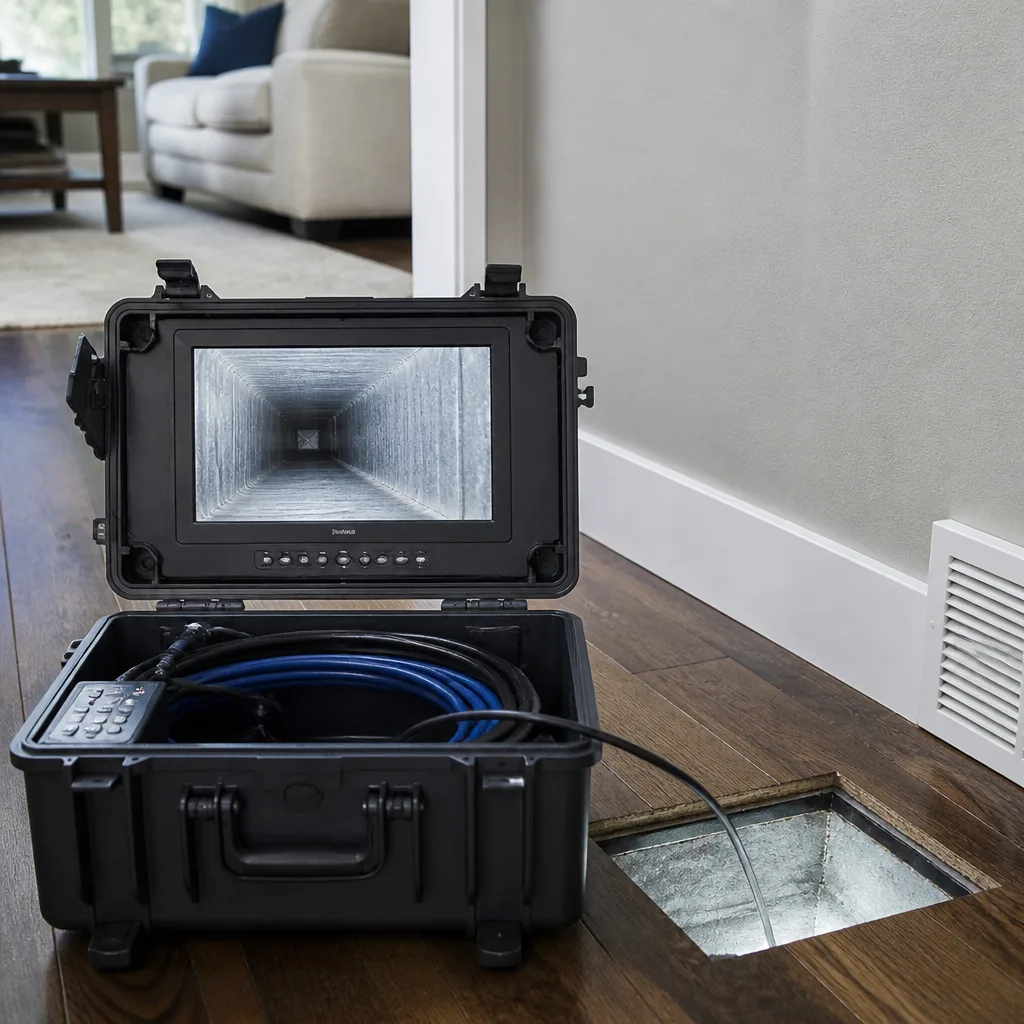 Camera inspection
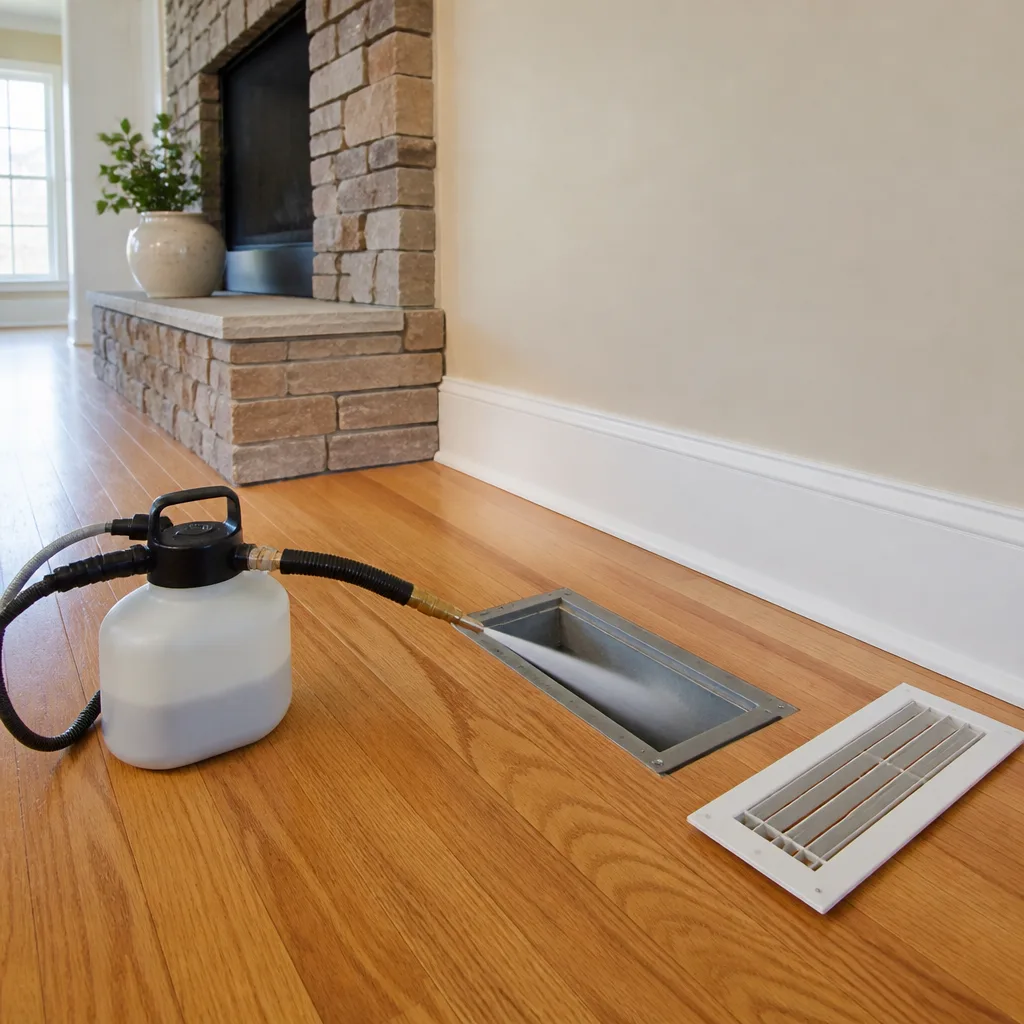 Sanitizing & deodorizing
Whole-system duct and dryer vent check with before-and-after photos - you see exactly what came out of your vents
That "$99 whole-house special" is a bait ad - the real number appears once they are in your hallway, or the "clean" is a shop-vac at the register. We photograph the inside of your ducts before and after instead.
Air Duct Cleaning Permits, Codes & Inspections in Lehi, UT: What You Need to Know
Here’s the part most homeowners miss: the cleaning itself almost never needs a permit, but the repair work that often happens during the same visit sometimes does. In Lehi, that gap between “we cleaned your ducts” and “we modified your HVAC system” is exactly where compliance problems hide. A technician can pull a disconnected joint back together and re-tape it without a permit, then turn around and permanently seal the same ductwork with a sprayed-on product and cross into territory that requires licensed contractor involvement. Buyers, inspectors, and appraisers notice the difference at resale. This guide walks through what Utah’s mechanical code actually says, where the Lehi City building department draws the line, and the paperwork you should hold onto. We’ll cover the code provisions, the specific jobs that trigger a permit, the duct-sealing gray zone, and what to ask a contractor before anyone touches your system.
Quick Answer
In Lehi, UT, routine air duct cleaning generally does not require a building permit, but duct repair, duct replacement, and any modification to the HVAC system that changes airflow, sealing characteristics, or equipment may require a mechanical permit under the Utah State Mechanical Code. Whether you need one depends on what the job actually involves, not what the invoice calls it. Ask the contractor to put the scope in writing before work starts, and confirm the permit question with the Lehi City building department if repairs are on the table.
Styles & brands we work with
- Whole-home duct cleaning
- Dryer vent cleaning
- Camera inspection
- Sanitizing & deodorizing
Table of Contents
- Does Air Duct Cleaning Require a Permit in Lehi?
- What the Utah State Mechanical Code Says About Ducts
- How Lehi City’s Building Department Handles HVAC Permits
- Cleaning vs. Modification: Where the Line Sits
- Duct Sealing, Aeroseal, and the Permit Gray Zone
- What to Ask a Contractor to Document in Writing
- Inspections, Resale, and What Buyers Look At
- Step-by-Step: How to Approach a Repair-and-Clean Job
Does Air Duct Cleaning Require a Permit in Lehi?
Routine cleaning does not require a permit in Lehi, but repairs and modifications are a different story. Air duct cleaning is maintenance work: dislodging debris, extracting it under negative pressure, and restoring the inside surface of the duct. None of that changes the system’s design, so no permit comes into play. When a contractor moves on to repairing a damaged duct run, sealing the entire system with a permanent product, replacing a section, or altering the air handler, the work starts to look like mechanical construction rather than maintenance, and that’s where permits enter the conversation.
In our experience working across Lehi homes, the confusion almost always comes from bundling. A single service visit can include cleaning in the morning and a sealing treatment in the afternoon, and the homeowner doesn’t realize two different regulatory categories were involved. The invoice might read “duct cleaning” for the whole visit even though part of it was repair. That’s not always a problem, but it becomes one if the repair scope should have been permitted and wasn’t.
Here’s a simple way to think about it:
- Cleaning only: no permit. The scope is removal of debris.
- Cleaning plus minor re-taping or reconnecting a joint: typically no separate permit; this is maintenance-level repair.
- Cleaning plus permanent system-wide sealing: depends on method and whether air-handler equipment is altered. Ask explicitly.
- Replacing duct runs or altering HVAC equipment: mechanical permit territory.
If you aren’t certain which category your job falls into, call the Lehi City building department and describe the scope in plain language. They’ll tell you what they need. For the cleaning half of the job, our page on air duct cleaning covers what a professional whole-system clean involves from the blower to the vent.
What the Utah State Mechanical Code Says About Ducts
Utah adopts the International Mechanical Code as the basis for its statewide mechanical requirements, with amendments applied at the state and municipal levels. The IMC sections most relevant to ductwork address installation standards, sealing requirements, and how changes to a system’s design must be evaluated. The code doesn’t carve out an exemption for “small modifications.” It treats the concept of duct repair broadly: if you change how the system moves air, you may be changing the design.
Three broad provisions matter for a Lehi homeowner:
- Duct sealing requirements. Duct systems are required to be sealed in specific ways depending on location (inside conditioned space, in an unconditioned attic, in a crawlspace) and the pressure class of the system. Factory joints and field joints get different treatment. When a contractor reseals a duct run, they are doing work that the code governs, and the correct method depends on where the duct sits in your home.
- Duct installation standards. Materials, support spacing, insulation, and connection methods are specified. A repair that replaces a section of duct must match the standard for the section it’s replacing. This is why a “quick fix” with foil tape on an attic run often gets flagged later: it may not meet the sealing method the code expects for that location.
- Alterations to equipment and air-handler connections. When work touches the air handler, plenum connections, or the system’s rated capacity, the code treats that as an alteration. That’s the category that pulls in permitting, and it’s why a full-scale sealing job that involves a system calibration can be permit-required while a spot repair isn’t.
Utah law also requires that contractors performing regulated work be licensed under the state’s contractor classification system. Cleaning is not a regulated mechanical trade in the same way, but repair and modification are. That’s the seam that catches people: the same company can clean license-free and repair illegally. The clean is the front door, the repair is what you should be vetting.
How Lehi City’s Building Department Handles HVAC Permits
The Lehi City building department is where mechanical permits get issued, and it’s the office you call when a job’s scope is unclear. The department issues mechanical permits for HVAC equipment replacement, duct system modifications, and system alterations that trigger inspection. Routine cleaning is not on that list. The specific scenarios that trip a permit requirement in Lehi look like this:
- Replacing a duct run or trunk line. If a damaged run is being removed and rebuilt, that’s a modification.
- Sealing an entire system with a sprayed-on or aerosolized product. The permit question depends on scope and whether the air handler or its settings are touched. Ask the department directly.
- Adding or removing supply or return registers. Balancing changes that change the system design typically require review.
- Modifying the air handler, plenum, or blower assembly. Any work in this zone triggers a mechanical permit.
- Converting a ducted system to a different configuration. A major change that alters capacity is permit-required.
What usually doesn’t require a permit: cleaning, sanitizing, dryer vent cleaning, and the re-taping or reconnecting of an existing joint that’s already part of the system. Those are maintenance. If a contractor tells you the whole job is “just maintenance” but the scope includes replacing duct runs, get a second opinion. The Lehi City building department can confirm the permit question in a quick phone call, and it’s worth making before the work starts rather than after.
Lehi’s growth matters here. New construction across the west side and neighborhoods stretching toward the foothills means a lot of systems are 5 to 15 years old, which is exactly the age where duct joints start separating and a homeowner starts hearing a pitch for “repair and seal.” Whether that repair needs a permit is a scope question, and the answer changes as the job changes.
Cleaning vs. Modification: Where the Line Sits
Cleaning removes what’s inside the duct. Modification changes the duct’s design, capacity, or connections. That’s the whole distinction, and it’s the most useful thing to carry into any conversation with a contractor. Here’s how the two categories break down in practice:
Cleaning and maintenance (typically no permit)
- Mechanical cleaning of the duct system with professional equipment, extracted under negative pressure
- Sanitizing or fogging the interior of the ductwork with an EPA-registered product
- Cleaning the blower compartment and evaporator coil during an HVAC cleaning visit
- Dryer vent cleaning as a standalone service, which addresses a common fire-safety concern in any home
- Re-taping a joint that has separated, or reconnecting a boot that came loose
Modification work (permit question applies)
- Replacing a section of rigid or flexible ductwork with new material
- Permanently sealing the entire system with a sprayed-on coating or aerosolized sealant that requires system calibration
- Adding, relocating, or removing supply or return registers
- Altering the air handler, plenum connections, or blower assembly
- Changing the system’s rated capacity or configuration
In our experience, the confusion comes from honest overlap. A cleaning visit uncovers a disconnected joint in the attic, the technician re-tapes it, and the job is done as maintenance. Another home has a crushed run that needs replacement, and that’s a different job. Same visit type, different code category. Our Lehi Air Duct Cleaning team runs each job with a written scope that names which side of the line the work sits on, because that clarity protects the homeowner later.
Duct Sealing, Aeroseal, and the Permit Gray Zone
Duct sealing is the murkiest area of this whole topic, because the same product can be applied in permit-free spot applications or in permit-triggering whole-system treatments. Aerosolized sealants and mastic applications are both legitimate ways to close leaks, and both can meaningfully reduce energy waste and improve air quality. The compliance question isn’t whether sealing is good. It’s whether the scope of work that day crossed into modification.
Here’s how to think about it:
- Spot sealing with mastic. A technician finds a specific leak, cleans the surface, and applies mastic to that joint. That’s maintenance-level repair. No permit is typically involved.
- Whole-system aerosolized sealing. A sealing contractor injects an aerosolized sealant into the duct system, often calibrating the air handler and monitoring pressure. This is where the permit question arises, because the process touches the air handler’s operation and, depending on the system, may modify performance characteristics. In Lehi, ask the building department whether the specific scope requires a permit.
- Sealing plus air-handler modification. If the work changes how the air handler behaves, permitting is clearly required.
The gray zone is genuinely gray. That’s why the only defensible approach is to ask the contractor to describe the scope precisely, then confirm with the Lehi City building department if any part of the work touches the air handler or the system’s overall capacity. The same logic applies to dryer vent cleaning: the cleaning itself is maintenance, but a rerouted or replaced vent run is a modification to a code-governed appliance exhaust path.
We use Abatement Technologies negative-air equipment to keep dislodged debris contained during cleaning, which is a different question from sealing, but the two often get bundled. If your contractor shows up with one piece of equipment and a “cleaning plus sealing” quote, ask them to detail both scopes separately before you sign.
What to Ask a Contractor to Document in Writing
The single most useful thing you can do for your future self is keep a written record of what was done to your duct system. Utah home inspections and buyer disclosures lean on documents, and a clear paper trail answers the resale question before it becomes one. Here’s the checklist:
- A written scope of work. Not a brochure. A document that lists exactly what the technician will clean, repair, or replace.
- Before-and-after photographs of your own ducts. Ask for snapshots of the interior of the ductwork at the start and finish. These are the equivalent of a contractor’s job file and they protect both sides.
- The permit statement. Ask for a sentence in writing: whether the scope required a permit, whether one was pulled, and if not, why. If the answer is “not required,” have the contractor note the scope on paper so the reasoning is documented.
- The name and license status of the person who performed the work. Utah’s contractor classification system requires licensed contractors for regulated mechanical work. The cleaning contractor and the licensed mechanical contractor may not be the same company, and it’s fine either way, but you should know which is which.
- The product name and manufacturer for any sealing, sanitizing, or air-quality product used. Our company sells and installs Honeywell and Aprilaire air quality systems, and we note the model on the invoice so future service can identify the correct replacement parts.
- Photos and notes of any repair, especially where duct joints were re-taped or components replaced, so a future inspector knows what was touched and when.
- The written estimate showing the agreed flat price for the job. One price per system, not a per-vent number, so the record and the payment match.
That documentation file should live with your home records. It’s the first thing a buyer’s inspector will look at when they spot a repair seam in the attic.
Inspections, Resale, and What Buyers Look At
During a home sale in Lehi, inspectors look at ductwork the way they look at any other system: they’re checking for visible condition, evidence of repair, and any signs that work was done without documentation. A neat repair with a paper trail is a non-event. A patchwork of mismatched tapes, sagging flex runs, and no photos of what was done underneath is a question mark. The difference between the two isn’t the work itself; it’s how well it was documented.
The scenarios most likely to come up during a resale inspection:
- Visible repair seams in the attic ductwork. Inspectors will note the repair. If you have photos and a written scope from the original job, the note is routine. If you don’t, the buyer may ask for a second opinion.
- Recently installed sealing product visible on duct joints. The inspector may ask which product, when it was applied, and by whom. Your job file answers all three.
- Any altered equipment at the air handler. If the air handler was modified, the buyer’s agent may request permit documentation. If the modification was permit-required and no permit exists, that’s a negotiation point.
- Duct systems that haven’t been cleaned in a known period. Not a code issue, but a maintenance question the buyer may raise. A dated job file shows a maintenance history.
Utah’s seller disclosure requires you to disclose known material defects. Work that was done without a required permit can become a disclosure item. The clean way out is to know the answer before you list: was any modification done, was it permitted, and where’s the paper. If you aren’t sure, the Lehi City building department can tell you what’s on record for your address.
Our Lehi Air Duct Cleaning team keeps before-and-after photos from every job and can provide them on request specifically for this reason, so a resale isn’t derailed by a gap in records.
Step-by-Step: How to Approach a Repair-and-Clean Job
If you’re staring at a duct-cleaning quote that includes a repair line item and you’re not sure whether a permit applies, work through this sequence:
- Read the quote for the word “replace,” “modify,” “seal,” or “alter.” Any of those words usually signals work that might be permit-required. “Clean,” “sanitize,” and “re-tape” are usually maintenance.
- Ask the contractor to describe the scope in plain language. “Are you replacing any duct material? Are you touching the air handler? Are you applying a sealant, and will that involve calibrating the system?” Get answers in writing.
- Call the Lehi City building department and describe the scope. Ask directly: “Does this work require a mechanical permit in Lehi City?” If the answer is yes, ask the contractor to pull the permit or explain why the scope doesn’t trigger it.
- Verify the licensing classification for any modification work. Cleaning doesn’t require a mechanical contractor license; permitted mechanical work does.
- Get the flat price per system in writing before anyone starts. One price, agreed up front, so a low cleaning quote doesn’t become a large repair invoice mid-job.
- Request before-and-after photos immediately after the work. Store them with your home records.
- Keep the documents together. Quote, written scope, permit info, license info, product data for any sealing or air-quality product, photos. When you sell, this file answers the inspector’s questions without a second job.
The sequence matters because many homeowners skip step 3 and go straight to step 5. Calls to the building department before work starts take a few minutes. Calls after a sale is in escrow take weeks.
Common Mistakes to Avoid
- Assuming “cleaning” means the whole visit is unpermitted. A single visit often contains both cleaning and repair, and only the repair side triggers the code question. Ask the contractor to separate the two scopes in writing.
- Signing a quote that doesn’t name the sealing product. Aerosolized and mastic sealants behave differently and have different permit implications. If the invoice just says “sealing,” ask for the brand, the method, and whether the air handler is involved.
- Taking a per-vent coupon price as the real price. Per-vent pricing is the classic bait-and-switch setup in this trade. One flat price per system, agreed before work starts, is the honest number.
- Not asking whether the person doing the repair is the person licensed to do the repair. Cleaning and modification fall under different license categories in Utah. Confirm who’s doing what.
- Skipping before-and-after photos. These are the single most useful piece of documentation if a resale inspection flags a repair seam in the attic. Ask for photos of your own ducts, not stock images.
- Assuming duct sealing is always permit-free or always permit-required. It depends on scope. Confirm with the Lehi City building department before the job starts.
- Ignoring the dryer vent. A dryer vent that’s been rerouted or replaced is a modification to a code-governed exhaust path, not maintenance. That’s a permit conversation too.
- Waiting until you’re under contract to check the paperwork. The home-records file should exist before a listing agent knocks. If it doesn’t, assemble the history now.
See the difference
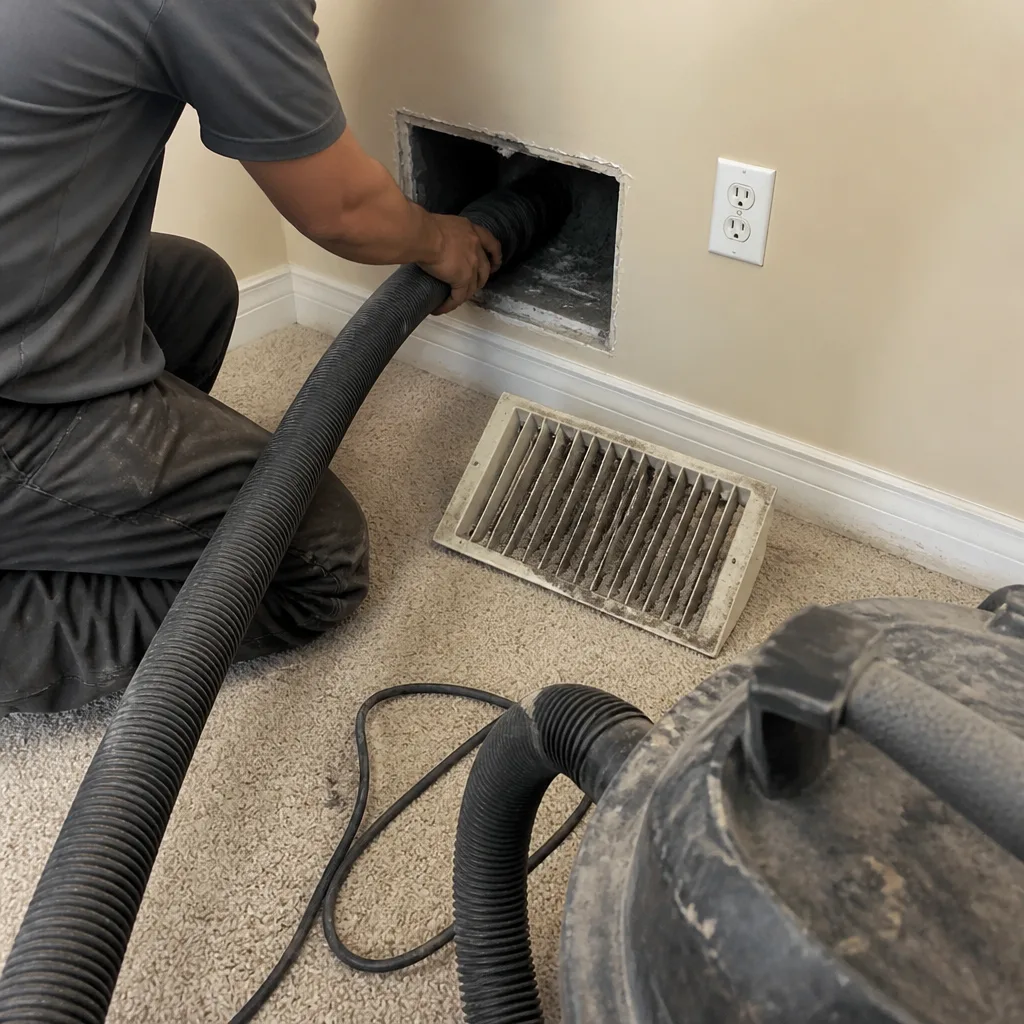 Before
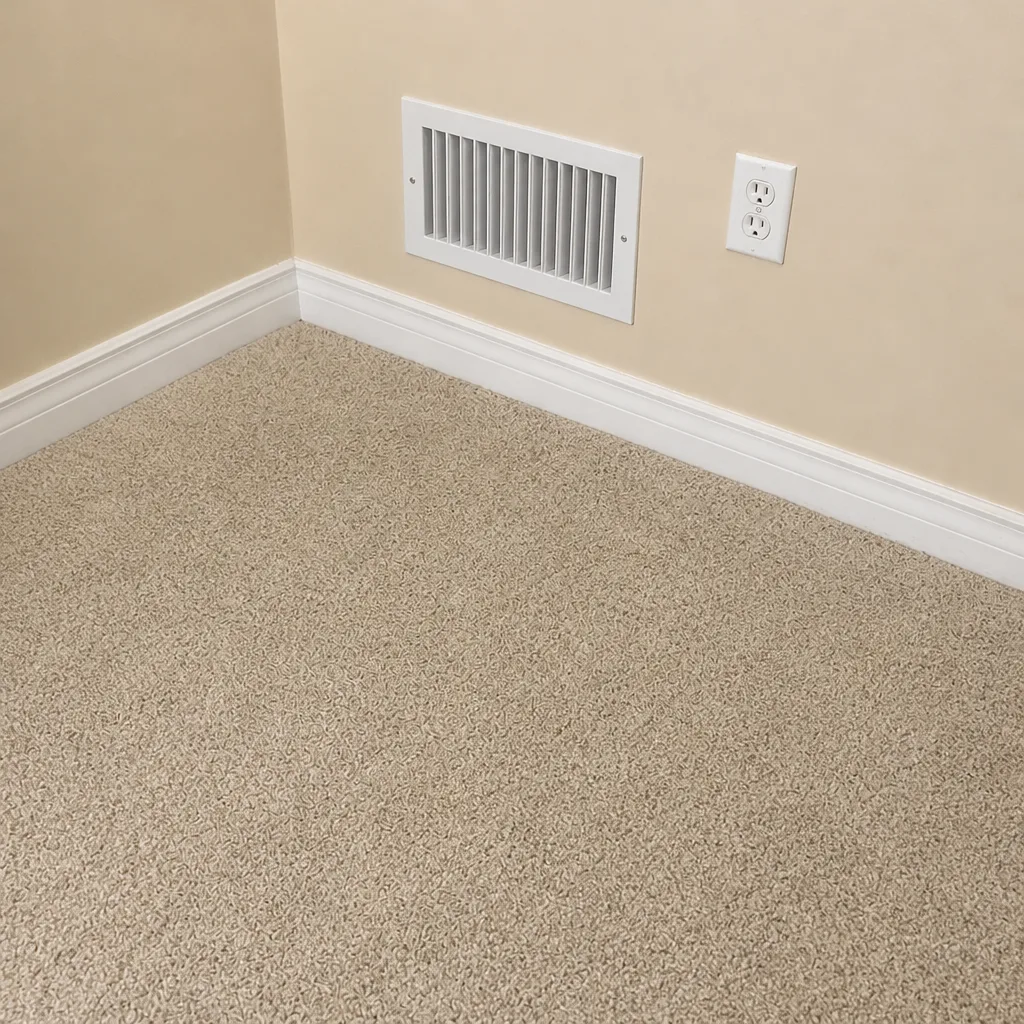 After
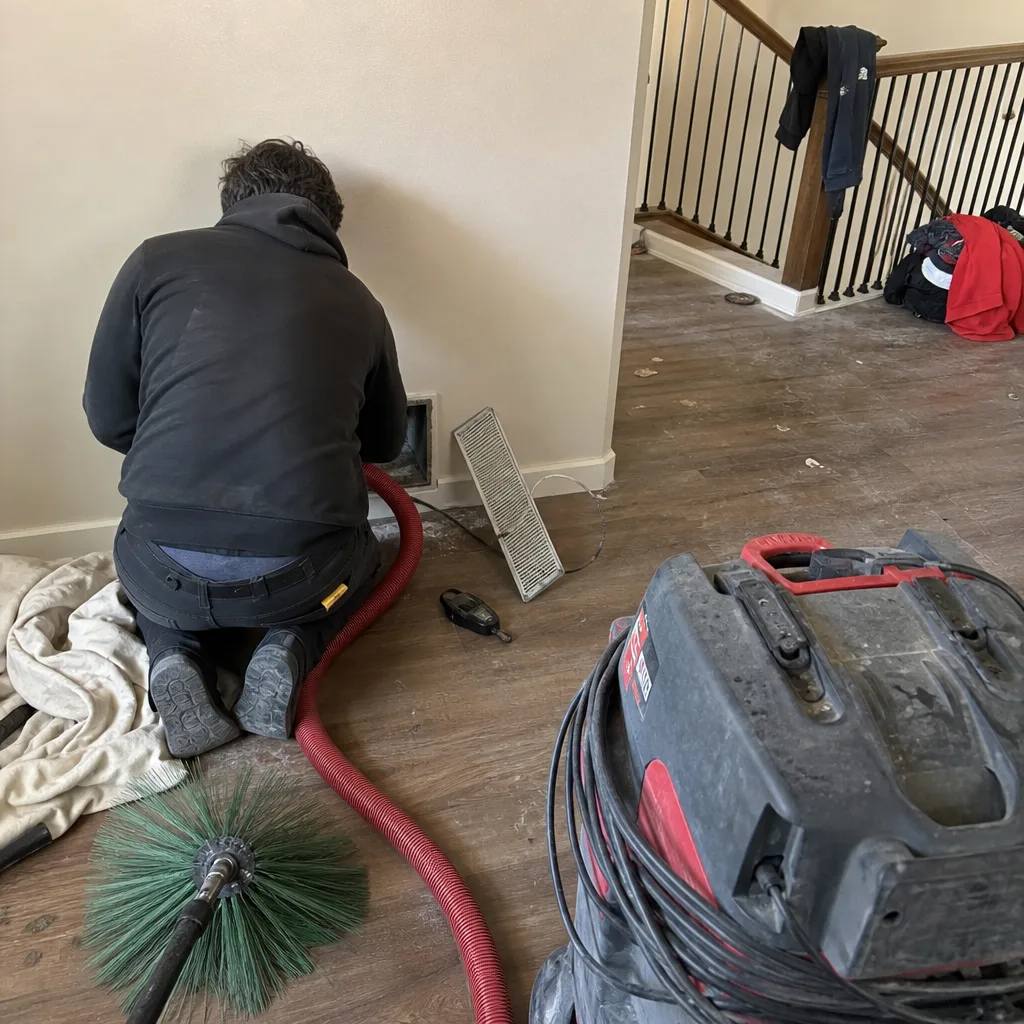 Before
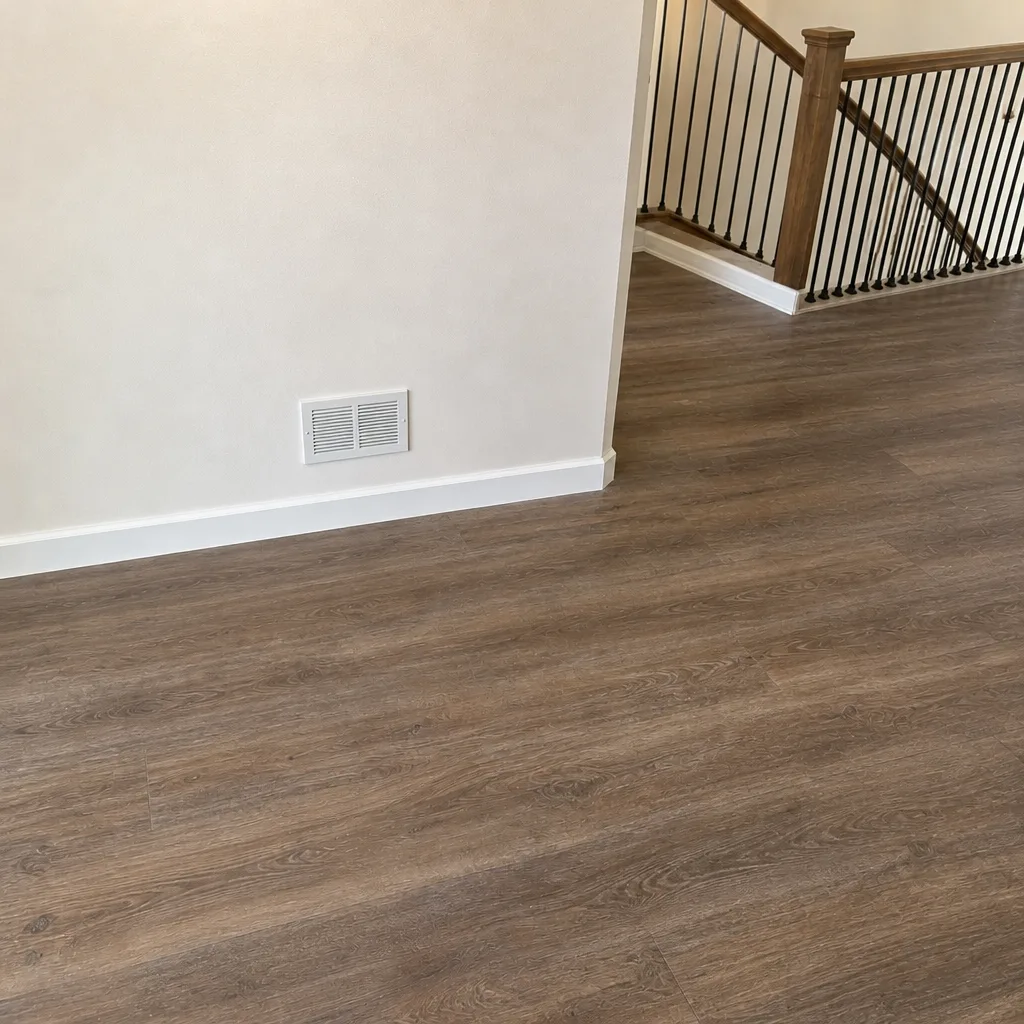 After
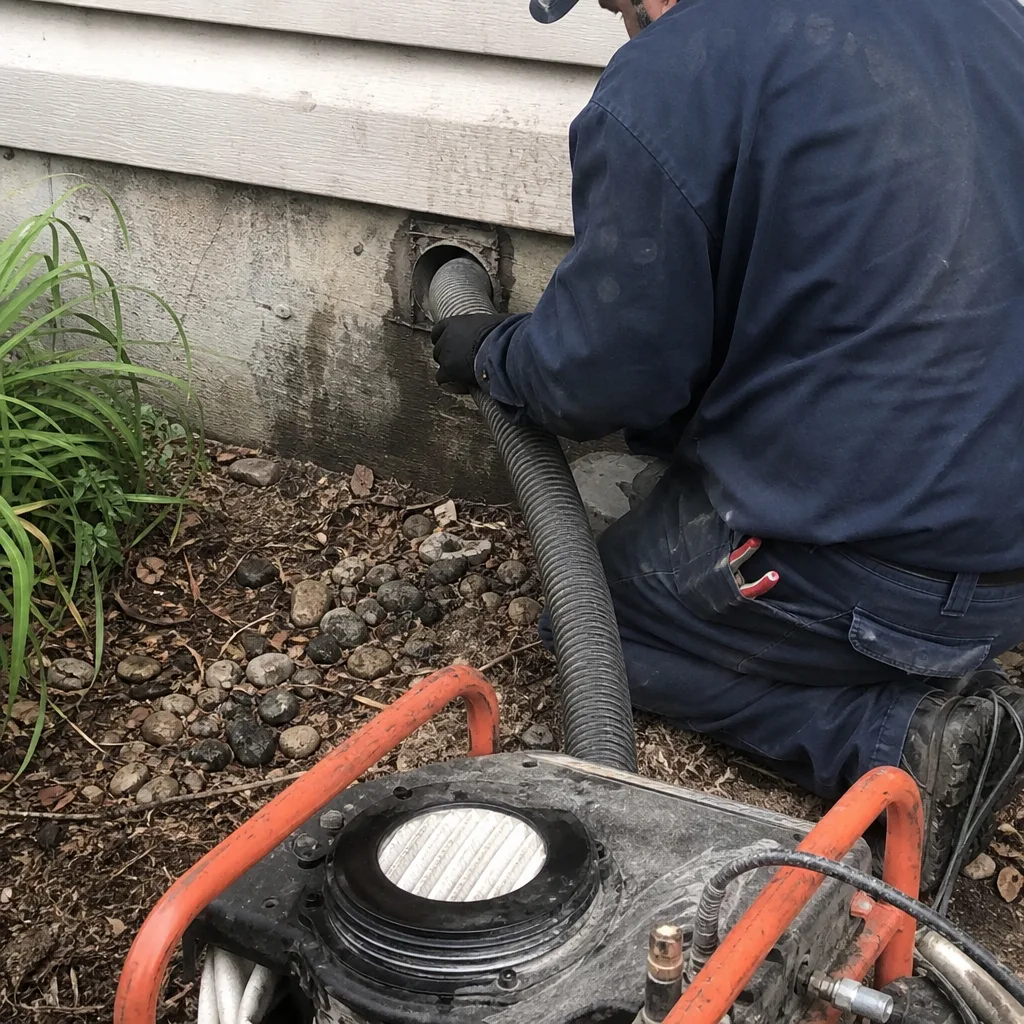 Before
 After
When to Call a Professional
Call a trained technician when a duct joint has visibly separated, when you smell musty air coming from a supply register, when a duct run is crushed or sagging, when your energy bills have crept up without an obvious cause, or when it’s simply been long enough that you can’t remember the last deep clean. Duct repair and sealing involve opening the system, working in confined attic spaces, and matching the correct sealing method to the duct’s location in your home; those aren’t jobs to improvise. Electrical work inside the air handler and any gas-fired equipment are separate concerns that belong to licensed specialists, and we’ll tell you when a scope reaches that line rather than work around it. Lehi Air Duct Cleaning offers free estimates in Lehi – call (833) 513-8123. We answer 24/7. Fast dispatch from 7am to 7pm, Sunday through Friday. The local pro arrives with professional-grade Rotobrush or Nikro equipment, and the written estimate sets the final price before work begins.
Frequently Asked Questions
No. Routine air duct cleaning does not require a building permit in Lehi. What can require a permit is any repair, replacement, or modification to the duct system done during the same visit. Ask the contractor to separate cleaning work from repair work in the written scope and confirm with the Lehi City building department whether the repair portion is permit-required. Call (833) 513-8123 for a free estimate across both cleaning and repair scopes – estimates are free.
It depends on the scope. Spot sealing with mastic to close a specific leak is generally treated as maintenance. Whole-system aerosolized sealing that involves the air handler or changes the system’s capacity is where the permit question arises. Describe the exact method to the Lehi City building department and ask for a permit determination before the job starts. For an honest scope review, call (833) 513-8123 – estimates are free.
Typical whole-system ranges in the Lehi area tend to fall in the mid-hundreds for a standard residential system, higher for larger homes or systems with heavy debris and multiple returns. We quote per system, not per vent, and the written estimate you get before work starts is the price you pay. Beware of any quote that prices by the vent; that’s the bait-and-switch pattern this trade is known for. Call (833) 513-8123 for an exact quote – estimates are free.
Usually because the quoted scope is smaller than the job. A low per-vent number often leaves out the extraction step, the return-side cleaning, or the equipment needed to hold debris under negative pressure. The other pattern is a low cleaning quote that becomes a large repair invoice once the technician is on site. The honest approach is one flat price per system agreed before work starts, with the scope written down. Call (833) 513-8123 for a free estimate that lists the actual scope.
Ask for before-and-after photographs of your own ducts, not stock images. A professional job also involves Abatement Technologies negative-air containment during cleaning, so debris is captured rather than redistributed through the home, and the interior of the duct should be visibly different after. Your written scope and photo record double as resale documentation. Call (833) 513-8123 and ask for the photo record with your estimate – estimates are free.
Most Lehi homes that don’t have pets, allergy sufferers, or recent remodeling can go several years between cleanings, but homes with pets, a family member with respiratory sensitivity, or recent construction debris warrant a closer look sooner. The Utah Valley’s spring dust and pollen load also pushes debris into return-air grilles faster than people expect. If you can’t remember the last cleaning, that’s a good sign to at least get an inspection. Call (833) 513-8123 – estimates are free.
The Bottom Line
Air duct cleaning itself almost never requires a permit in Lehi, but the repair and sealing work that often rides along on the same visit sometimes does. Photograph everything, get the scope in writing, and confirm with the Lehi City building department whenever the work touches duct material, the air handler, or permanent sealing products. A clean, documented job protects you at resale and answers the buyer’s inspector in one glance. A vague invoice creates a problem you’ll be solving under deadline. Ask the contractor which side of the maintenance-and-modification line each part of the job sits on, keep the paper trail, and skip the per-vent coupon pitch. The work itself is straightforward. The paperwork is what you’ll want later.
Written by the team at Lehi Air Duct Cleaning.