
Last updated November 25, 2026
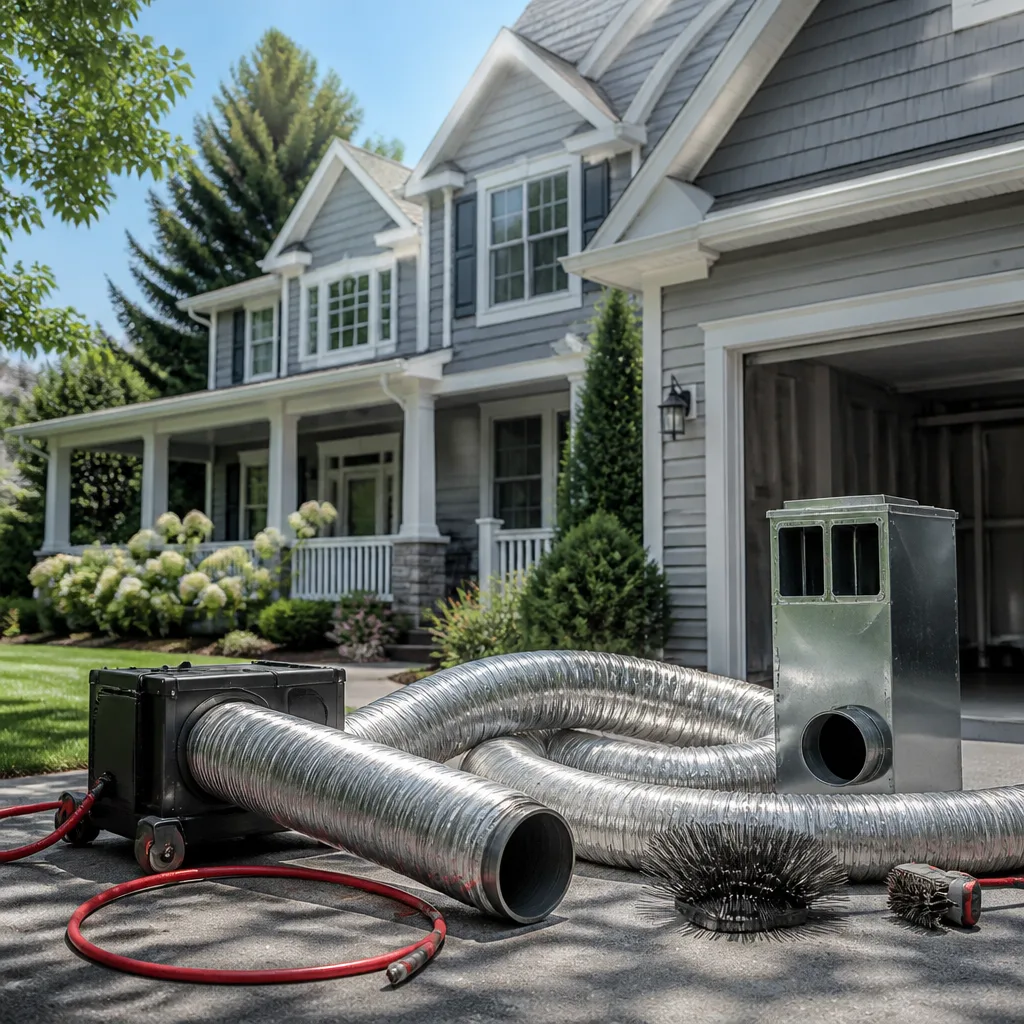 Whole-home duct cleaning
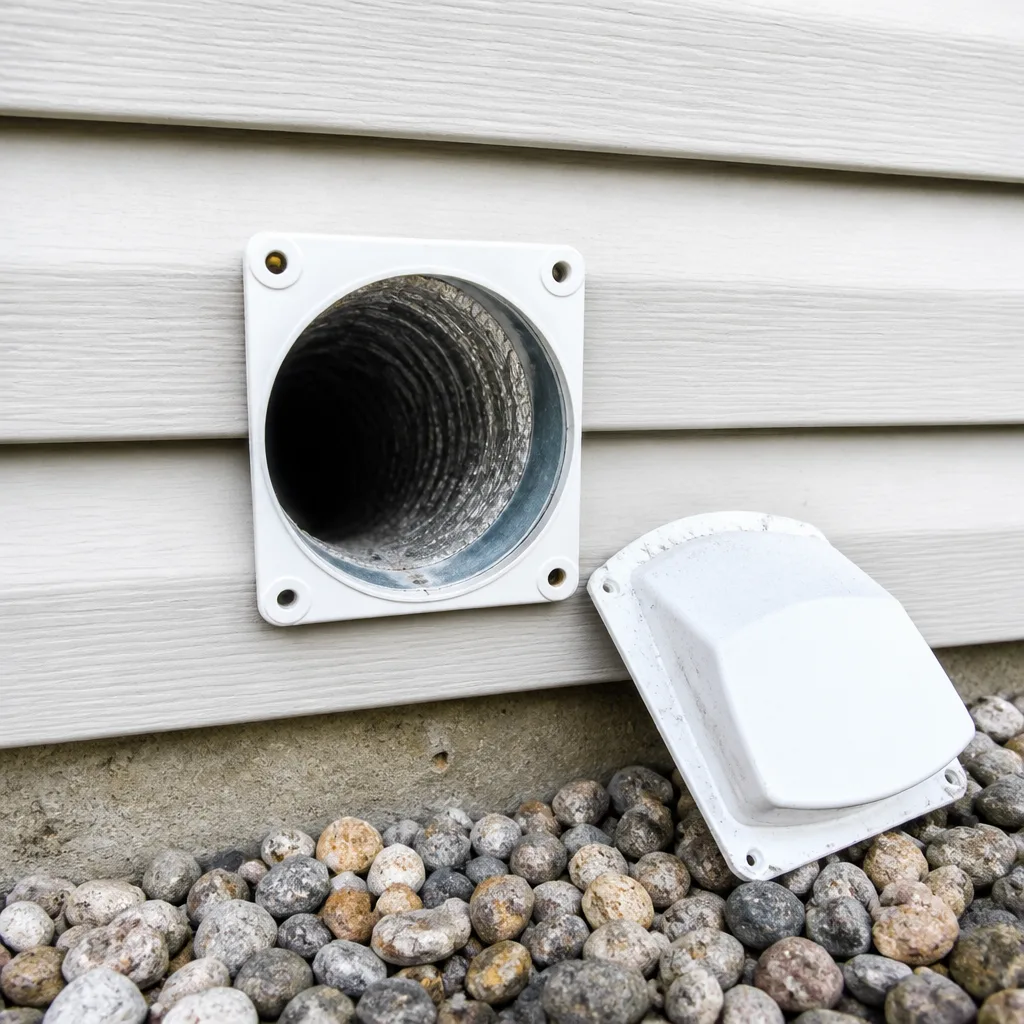 Dryer vent cleaning
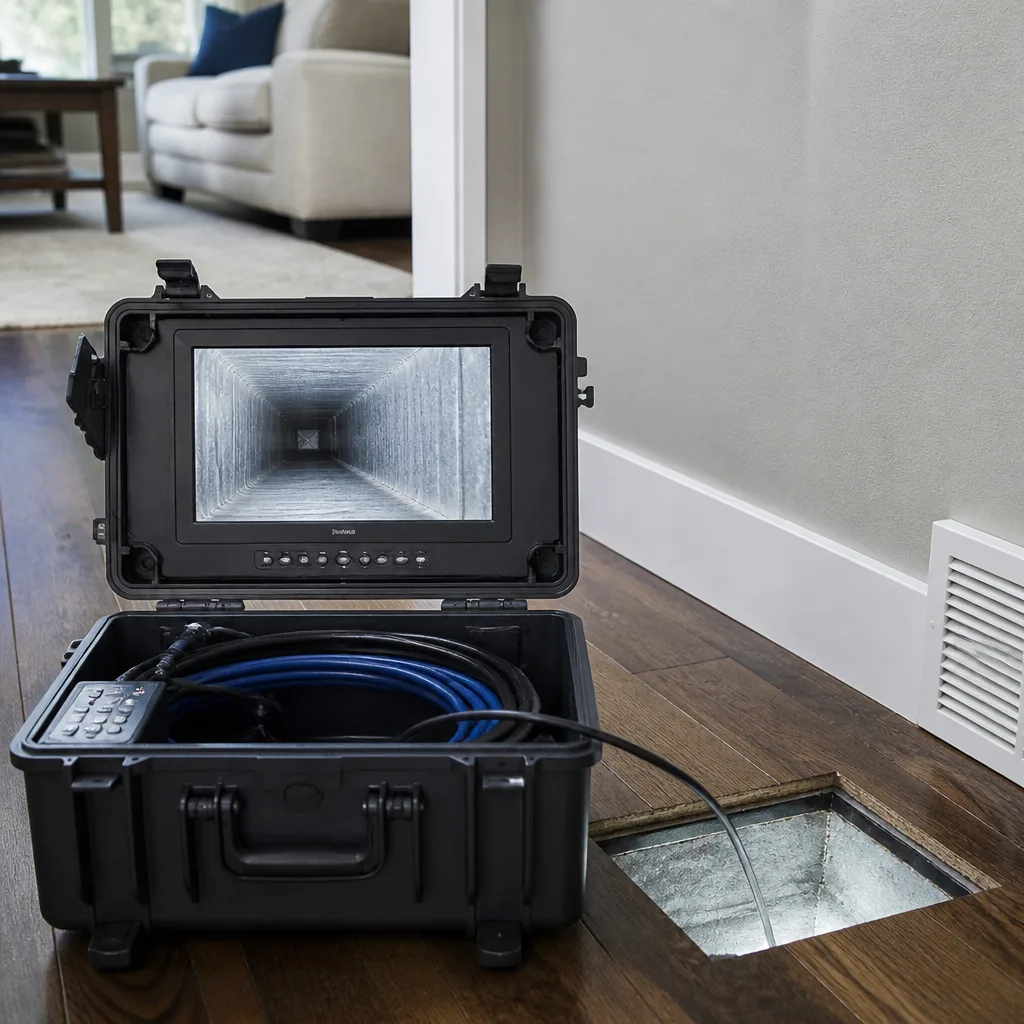 Camera inspection
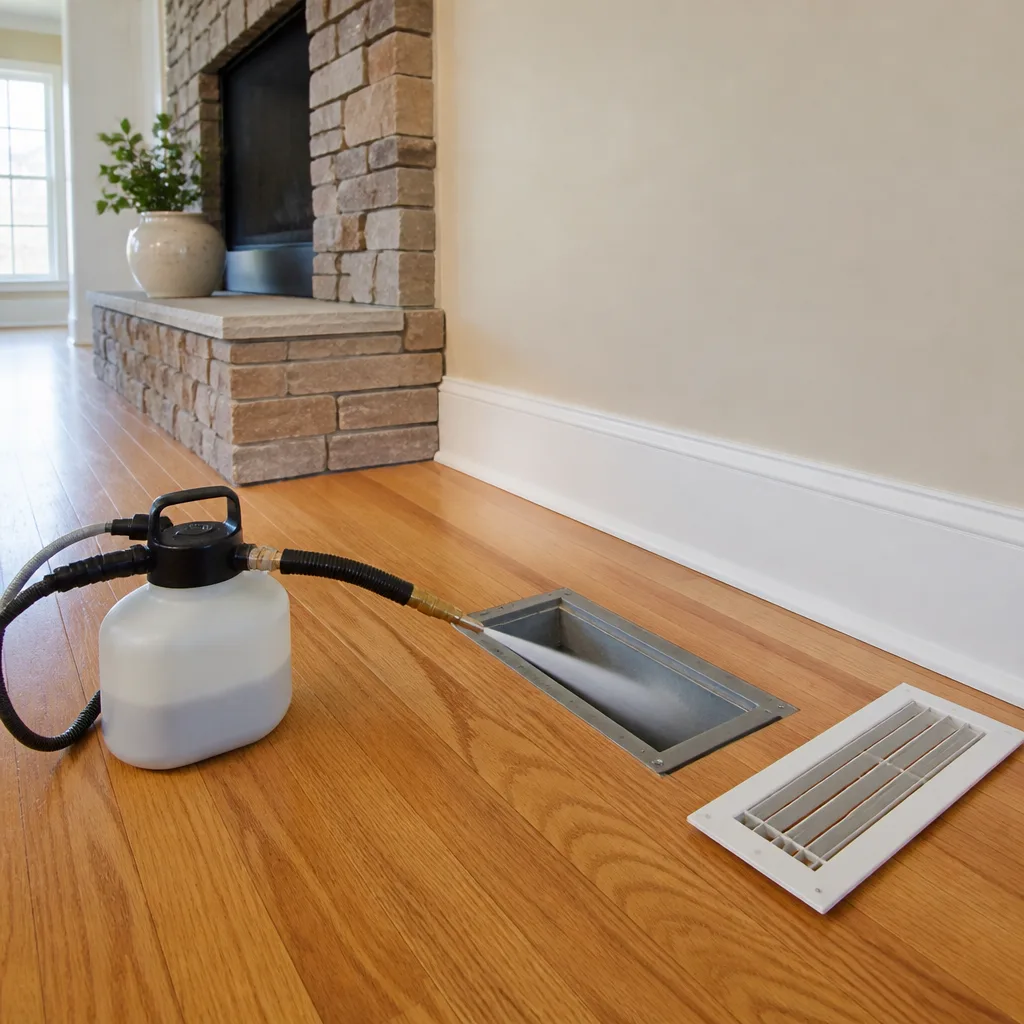 Sanitizing & deodorizing
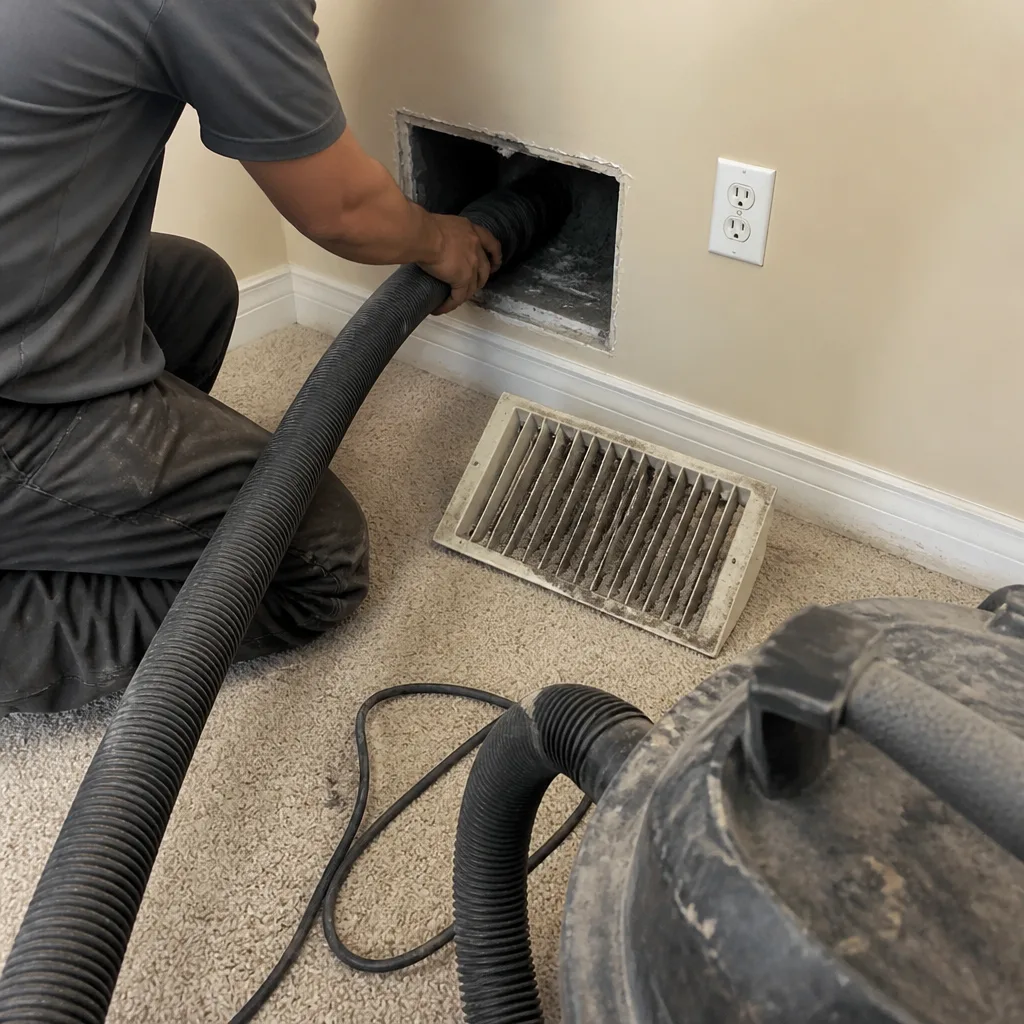
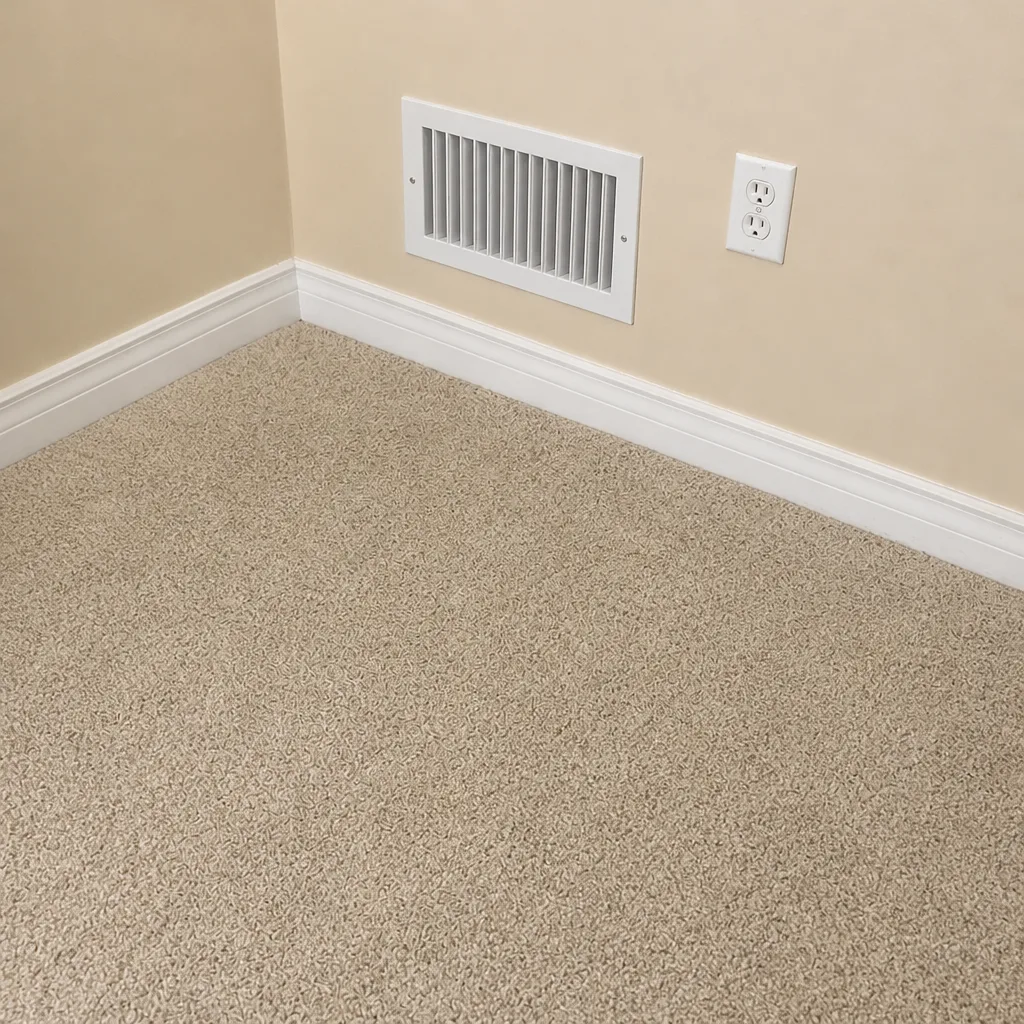
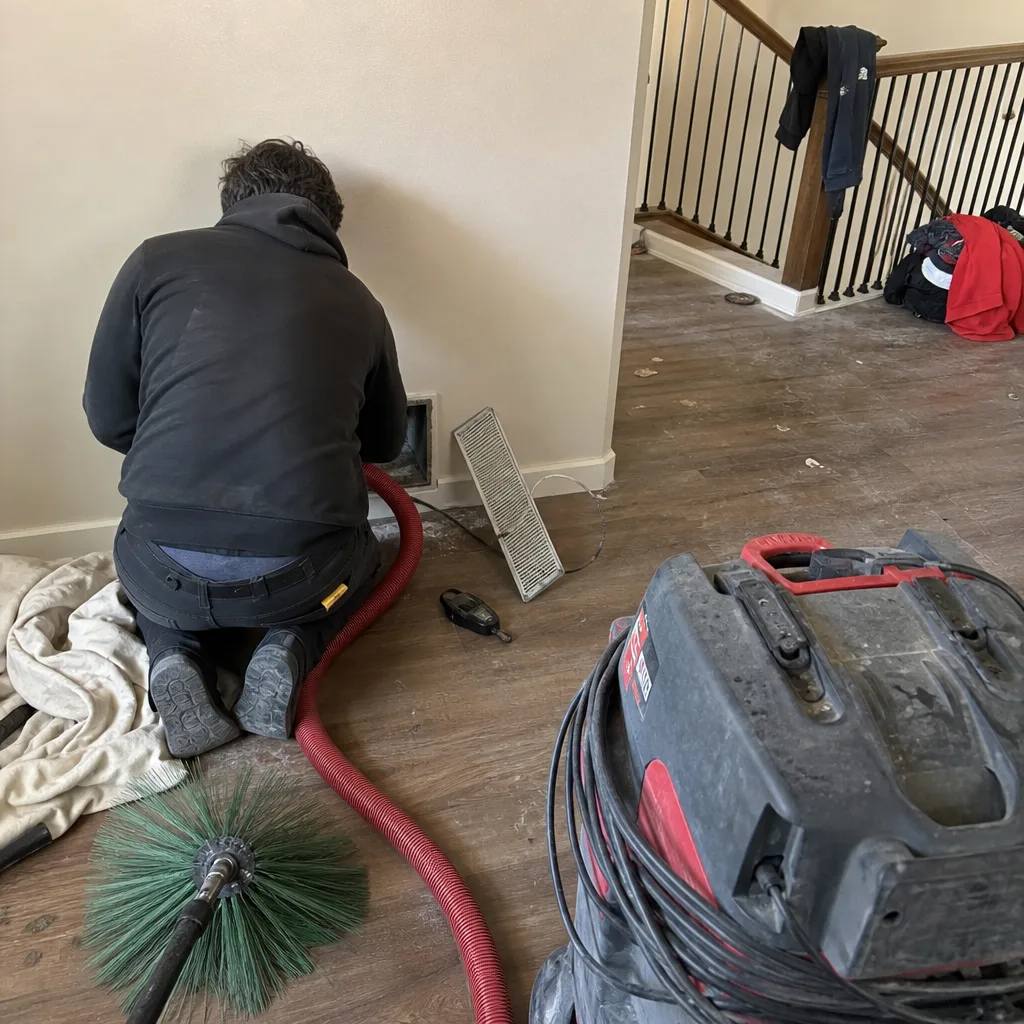
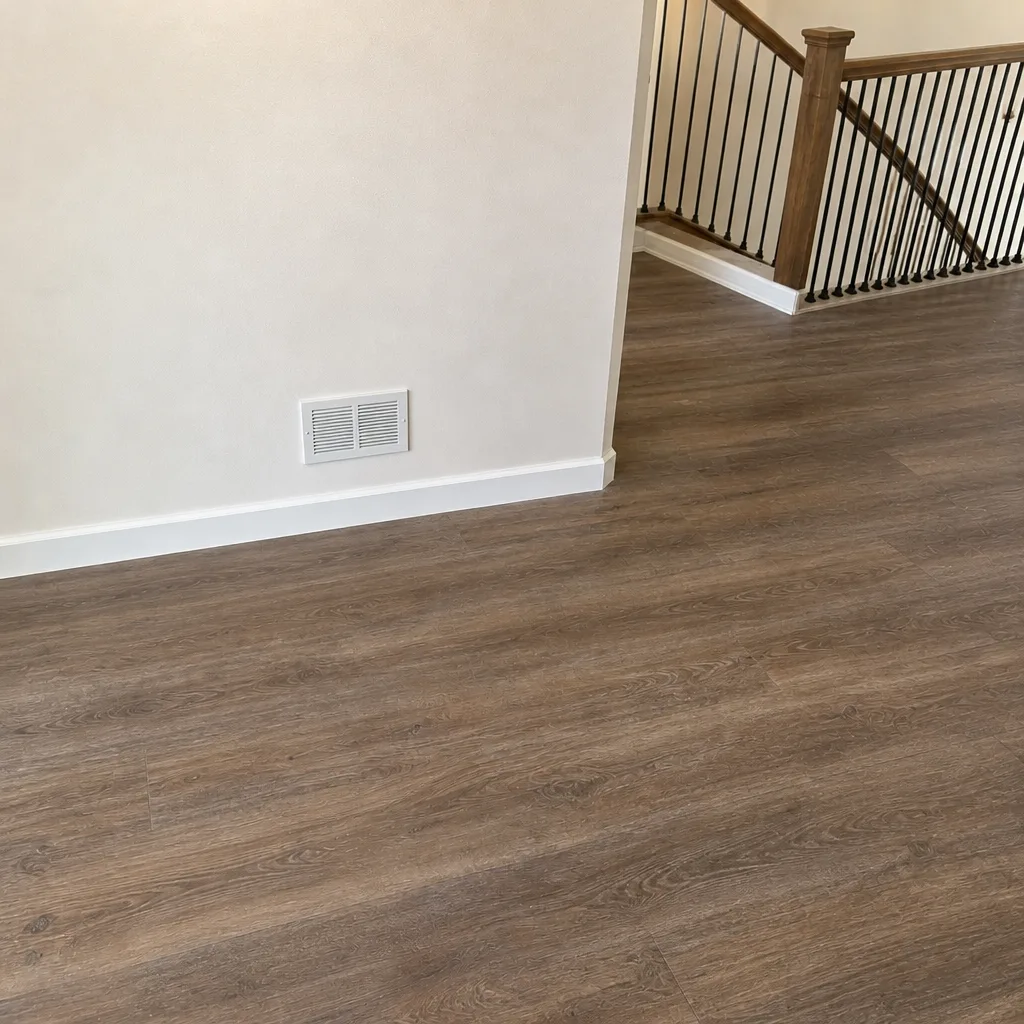
Whole-system duct and dryer vent check with before-and-after photos - you see exactly what came out of your vents
That "$99 whole-house special" is a bait ad - the real number appears once they are in your hallway, or the "clean" is a shop-vac at the register. We photograph the inside of your ducts before and after instead.
Air Duct Cleaning Troubleshooting in Lehi: Common Problems and How to Fix Them
If your vents were cleaned six months ago and a room still smells musty, the problem almost certainly isn’t the ducts you can see. It’s the section of the system nobody cleaned. Most homeowners in Lehi troubleshoot the vent cover, vacuum it, and call the job done. The vent cover is the last few inches of a duct pathway that runs from the blower cabinet, through the main trunk, into branch lines, and out each register boot. When something goes wrong, the symptom shows up in one room but the cause lives somewhere upstream. This guide treats your ductwork as a diagnostic map and shows you how to read the failure before you spend money on a cleaning that won’t hold.
Quick Answer
Most air duct problems in Lehi come down to one of four failure points: a dirty blower or evaporator coil, a blocked or leaky main trunk, a collapsed branch line, or a loose register boot. Fix the right zone and the symptom clears. Clean around the wrong zone and the smell or weak airflow comes back. A proper diagnosis is airflow measurement and visual inspection, not a guess based on one stuffy room.
Styles & brands we work with
- Whole-home duct cleaning
- Dryer vent cleaning
- Camera inspection
- Sanitizing & deodorizing
Table of Contents
- How to Find Which Zone of Your Duct System Is Failing
- Problems That Start at the Blower and Plenum
- Main Trunk Problems: Leaks, Blockage, and Debris Fields
- Branch Line Problems and Why One Room Loses Airflow
- Register Boots and the Last Three Feet
- Why Cleaned Ducts Still Smell: The Coil and Drain Pan
- How to Tell Duct Leakage From Blockage
- Recontamination vs. Incomplete Cleaning
- When Repair or Sealing Has to Come Before Another Cleaning
How to Find Which Zone of Your Duct System Is Failing
Treat the duct system as four zones in series. Air is pulled in through returns, pushed by the blower, carried by the main trunk, split into branch lines, and delivered through register boots. A failure in any zone produces a symptom. The trick is matching the symptom to the zone instead of guessing.
Here’s the mapping we walk homeowners through. Work through the list once and note which symptom you’re actually dealing with:
- Blower or evaporator coil (symptom: musty smell system-wide, reduced airflow at every vent, high energy use). If every room feels weak, the problem is upstream of the branches.
- Main trunk (symptom: one whole side of the house is cold or hot, whistling sounds near the furnace, debris visible in the plenum). A leak or partial block in the trunk starves several rooms at once.
- Branch line (symptom: one or two rooms weak, others fine, no smell change). A single branch line that’s crushed, disconnected, or full of debris cuts flow to that room only.
- Register boot (symptom: air blows but feels dirty, dust puffing at one vent, visible gap around the boot). The final connection often comes loose or gets a debris shelf sitting just inside.
The zone map matters because the fix differs. A blower-and-coil cleaning uses different tools than a branch-line inspection. In Lehi, we walk a lot of newer homes in the Traverse Mountain and Dry Creek areas where flex branch lines run long distances through unconditioned attic space. Those runs sag, get pinched against trusses, and lose airflow without anyone noticing. A homeowner feels a cold bedroom and assumes the furnace is weak. It’s usually the branch.
Before you call anyone, write down which vents are weak and which are fine. That list alone tells a technician most of what they need to know.
Problems That Start at the Blower and Plenum
If your entire house feels stuffy and every vent blows weak, start at the blower. The blower cabinet and the plenum above the evaporator coil collect dust, pet hair, and the sticky film that comes from cooking and cleaning products over time. That film coats the blower wheel and the coil fins, and a coated coil can’t transfer heat well. You feel it as weak air, higher energy bills, and a system that runs long cycles.
Signs the blower-and-plenum zone is your failure point:
- Every vent in the house feels weak, not just one room.
- There’s a musty or “dirty sock” smell that’s strongest near the furnace closet.
- Dust reappears fast after cleaning, sometimes within a week.
- Air filter loads up much quicker than expected.
- The evaporator coil has visible matted dust on the fins when the access panel comes off.
Here in Lehi we deal with a specific wrinkle: the valley’s dry, dusty summers push fine particulate through return grilles constantly. By fall the blower cabinet is often carrying a layer of fine red-tan dust that looks like it settled out of the air. Wet mopping the vents does nothing. The blower and coil have to be mechanical-cleaned with a proper tool and contained so the dust isn’t pushed back into the living room. That’s where Rotobrush and Nikro systems come in, and where our HVAC cleaning service picks up the parts of the air pathway a duct-only cleaning skips.
One warning before you crack the panel yourself. Blower cabinets and coil coils expose electrical connections and sharp coil fins, and the capacitor on a blower motor can hold a charge. Leave the panel closed and call a technician for anything past the filter.
Main Trunk Problems: Leaks, Blockage, and Debris Fields
The main trunk is the large duct running from the plenum through the attic, crawl, or a chase in the center of the house. When the trunk leaks, you lose air into the attic or wall cavity instead of into the rooms. When it’s blocked or has a debris shelf, airflow chokes downstream. Both problems show up as several rooms losing temperature at once, but they feel different in person.
A leaky trunk behaves like a slow bleed. The system runs, most rooms get some air, but the far end of the house never quite reaches setpoint. You might hear a hiss or feel a draft near a register when the fan runs. Sealing the trunk usually fixes that pattern.
A blocked trunk is a dam. Air is pushed against the restriction, and everything downstream gets less. On a forced-air system you might hear the blower surging or working harder than usual. In Lehi’s newer subdivisions off Pioneer Crossing, trunk runs often sit in the attic where summer attic temps hit very high. Flex duct that sags into a puddle shape collects debris and moisture, and the condensation plus heat creates a musty film inside the trunk. That film doesn’t vacuum out from the register side; it needs mechanical cleaning from the plenum backward with negative-air containment to catch what gets dislodged.
Abatement Technologies negative-air units matter here. Cleaning a long trunk without containment stirs dust into the house. Containment pulls it out of the air stream and captures it instead of distributing it to every room. Our air duct cleaning service uses that setup on every job for exactly this reason.
Main trunk repair and sealing is a separate job from cleaning. If the trunk is disconnected at a joint or crushed, cleaning first just wastes money. The trunk has to be rebuilt or resealed, then cleaned.
Branch Line Problems and Why One Room Loses Airflow
One cold bedroom, one humid bathroom, one stuffy nursery. When a handful of rooms are fine and one isn’t, the branch line feeding that room is the suspect. Branch lines are smaller flex ducts that split off the trunk and run to a single register. They’re the most common duct failure we troubleshoot in Lehi homes, especially in newer construction where branches run long distances through hot attics.
Common branch line failures:
- Disconnected at the takeoff. The branch pulls away from the trunk collar. Air dumps into the attic instead of the bedroom.
- Crushed between a truss and the ceiling. An installer stepped on it, or a later contractor leaned something against it.
- Sagging with a low spot. Flex duct that dips collects debris and condensation.
- Barely connected at the register boot. The branch is attached but sealed poorly, so most air leaks at the final connection.
You can spot the leaky branch quickly with a simple airflow comparison. Hold a piece of light paper or tissue over the register with the fan running. Compare across rooms in the same zone. If one register barely moves the paper while another on the same trunk pulls it flat against the grille, the weak one has a branch problem, not a system-wide problem. That’s diagnosis without opening anything.
What you can’t diagnose from the register is where the branch fails. A technician inspects with a camera or by pulling the register boot and reaching into the takeoff. Duct repair and sealing is where in-house capability matters. Cleaning around a crushed or disconnected branch just moves dust in a broken pathway. Our duct repair and sealing service finds and fixes the compromised section so another cleaning actually holds.
Register Boots and the Last Three Feet
The register boot is where the branch meets the room: the metal or plastic fitting that the vent cover screws onto. This zone gets skipped on almost every cleaning. A homeowner vacuums the outside of the cover and considers it done. Meanwhile the boot has a debris shelf inside, a gap around the ceiling cutout, and a loose connection to the branch.
Symptoms the register boot zone is failing:
- Dust “puffs” out of one vent when the fan kicks on.
- A visible dark gap where the boot doesn’t meet the drywall.
- One vent feels noticeably dirtier than its neighbor on the same trunk.
- Air leaks into the ceiling cavity, so the room feels weak but the boot itself blows hard.
Closing that gap costs nothing to check and takes minutes to seal. If you see daylight or dark cavity space around a boot in your ceiling, mark it and tell the technician. Don’t caulk around a boot yourself if it means cutting into a ceiling cavity with wiring or insulation nearby; that’s a job for someone who can see what’s behind it.
The boot is also the best place to confirm a clean genuinely happened. A proper clean includes brushing the interior of the boot and resetting the gap. If a company cleans from the register and leaves debris on the boot shelf, dust appears again within weeks. That’s one of the reasons we use before-and-after photos of the actual ductwork on every visit. You can see what changed instead of trusting the invoice.
Why Cleaned Ducts Still Smell: The Coil and Drain Pan
If ducts were cleaned recently and the house still smells musty, contamination in the ducts themselves is rarely the cause. The smell usually lives in the evaporator coil or the condensate drain pan, two components that sit outside the ductwork and are commonly missed by duct-only cleaners. The coil’s wet surface during the cooling season is a natural catcher for dust and organic film. Over time a biofilm forms on the coil and in the pan, and every time the blower runs it pushes that smell into the house.
Signs a coil or drain-pan problem is being misread as a duct problem:
- The smell is musty or slightly sour, strongest after the AC runs, not when the heat runs.
- Cleaning the ducts gave temporary relief (a week or two) and then the smell returned.
- The house feels “close” even with windows open.
- The condensate pan or drain line has standing water or slime visible when the panel comes off.
- There’s visible debris on the coil fins and the coil is matted rather than clean metal.
Duct cleaning plus a blower/coil clean is the fix. Sanitizing the affected interior surfaces with an air quality sanitizer helps too. We work with Honeywell and Guardsman products for that stage, and the key point is sequencing: coil clean first, then duct clean, then sanitize. Clean the ducts without addressing the coil and you’ll be back at step one within weeks.
In Lehi the summer pattern makes this worse. AC runs long into the evening, the coil stays wet, and the drain pan sits in a warm closet with no airflow. That’s a textbook environment for bacterial film. The fix is scheduled cleaning of the whole air pathway: blower, coil, plenum, trunk, branches, boots. Our dryer vent service and dryer vent cleaning follow a similar logic, cleaning the full path rather than one visible segment.
How to Tell Duct Leakage From Blockage
The two most misdiagnosed duct problems are leakage and blockage, because from inside the house they look similar. Both starve a room of airflow. The difference is what’s happening to the air that leaves the blower. With a leak, air escapes into a cavity. With a block, air can’t get past a restriction. The fix and the equipment differ, so the diagnosis matters.
Run this comparison before you call:
- Compare two rooms in the same zone. Same trunk, one strong register, one weak one. If the strong one is normal strength, you likely have a leak or a branch problem on the weak side.
- Compare two rooms that share a trunk but not a branch. If both are weak, the trunk is suspect.
- Listen when the fan starts. A hiss or whoosh at a register suggests air escaping at a boot or joint. A surging blower with all rooms weak suggests a block.
- Check for a draft at outlets, door frames, or attic hatches. A leaky trunk often pushes conditioned air into a wall cavity, which shows up as a draft in an odd spot.
- Filter comparison. If two similar filters of the same rating clog at wildly different rates in a single system, a block is unlikely. If a brand-new filter loads within a couple weeks, you’re pulling from a dusty source, often a leak pulling attic air into the return.
What’s useful about this list is the filter comparison. It’s the easiest one a homeowner can actually run. If your return is pulling attic dust instead of return air, the leak is on the return side and needs sealing before cleaning. That’s the dividing line between “clean it” and “seal it first.”
Recontamination vs. Incomplete Cleaning
A house that gets dust back quickly after a professional clean is dealing with recontamination. A house that never got clean properly the first time is dealing with incomplete cleaning. Both look like the same complaint (“the dust is back”), but the cause and the fix are different.
Here’s how to tell them apart:
- Recontamination: Ducts looked clean right after the work (photos, or visible through the register), and dust returned in one to three weeks. Cause: filter bypass, unsealed returns, or a dirty coil feeding crud back through the system.
- Incomplete cleaning: Ducts still look dirty immediately after the work. Cause: a company cleaned only the visible runs, skipped the plenum or trunk, or used a shop vac rather than professional mechanical cleaning.
Recontamination almost always traces back to one of three openings. First, a filter that doesn’t seat fully in its slot. If the edges of a standard filter don’t touch the filter frame, air bypasses the filter and carries unfiltered dust into the blower and coil. Second, return ductwork that runs through an attic and has open seams. Any gap in a return pulls attic dust straight into the system. Third, a missing or torn filter, which happens more than people admit when it’s tucked behind a grille in a ceiling.
Incomplete cleaning usually comes down to equipment. Manual brushing plus a wet-dry vac loosens surface dust and leaves the compacted film that actually causes most smells and air quality issues. Rotobrush and Nikro mechanical cleaning systems are built to agitate and extract the dust that’s actually bonded to the duct wall. When we’re on a job and the previous cleaner clearly used a shop vac, we can usually tell by looking at the trunk interior. Every job where we clean includes the plenum and trunk as standard, not as an add-on.
When Repair or Sealing Has to Come Before Another Cleaning
Cleaning a broken duct system has limits. If the pathway has a crushed branch, a disconnected takeoff, or an unsealed return pulling attic air, another cleaning just repeats the last one. The fix is repair or sealing first, cleaning second. Recognizable conditions that require it:
- Visible separation at a boot or ceiling cutout. Air is leaving the system, not circulating in it.
- Return duct seams that pull attic air. Filter comparison shows this clearly.
- Branches that are crushed or disconnected. Clean the rest of the system, but those branches need repair.
- Trunk connections that have pulled apart. Common where construction crews later moved insulation or wiring.
- Boot gaps or filters that don’t seat. Small fixes, but they undo any clean if left alone.
Where the repair lives matters too. A crushed branch behind drywall is a bigger fix than a pulled boot connection, and a homeowner deserves a straight answer either way. Duct repair and sealing fixes what’s found during the inspection, and the cleaning follows once the system is closed back up. That’s how the fix holds. One call, one company that can inspect, repair, sanitize, and clean the full pathway from the blower to the vent. If you’re looking for the full-service picture, our Lehi Air Duct Cleaning page lists the equipment brands and service scope we actually use. Our technicians have up to 8 years of experience with this diagnosis work.
Common Mistakes to Avoid
- Cleaning only the vents you can reach. The visible vent cover is the last few inches of a dirty pathway. Reachable vents cleaned with a vacuum leave the trunk, plenum, and coil untouched.
- Assuming a musty smell is duct contamination. The smell usually lives on the evaporator coil or in the drain pan. Clean the ducts without addressing the coil and the smell returns within a couple of weeks.
- Replacing filters to “fix” weak airflow. A clean filter helps, but if one room is still weak after a filter change, the cause is in the branch line, not the filter.
- Choosing a quote based on how low the number is. A very low quote usually means the clean covers only the visible ductwork, or the job will be finished in under an hour with a shop vac. Ask what’s included before you book.
- Sealing a boot yourself to save money. A ceiling boot often hides wiring, insulation, or plenum connections. Sealing the outside of a boot can trap attic air inside the cavity if done wrong. Have a technician confirm what’s behind it first.
- Skipping the return side. The return is part of the air pathway. A company that only cleans supply ducts leaves half the system dirty, and attic dust gets pulled in from unsealed return seams.
- Not asking whether duct repair and sealing are in-house. If a company has to subcontract the repair, the two visits rarely line up, and the cleaning happens before the problem is fixed.
See the difference
 Before
 After
 Before
 After
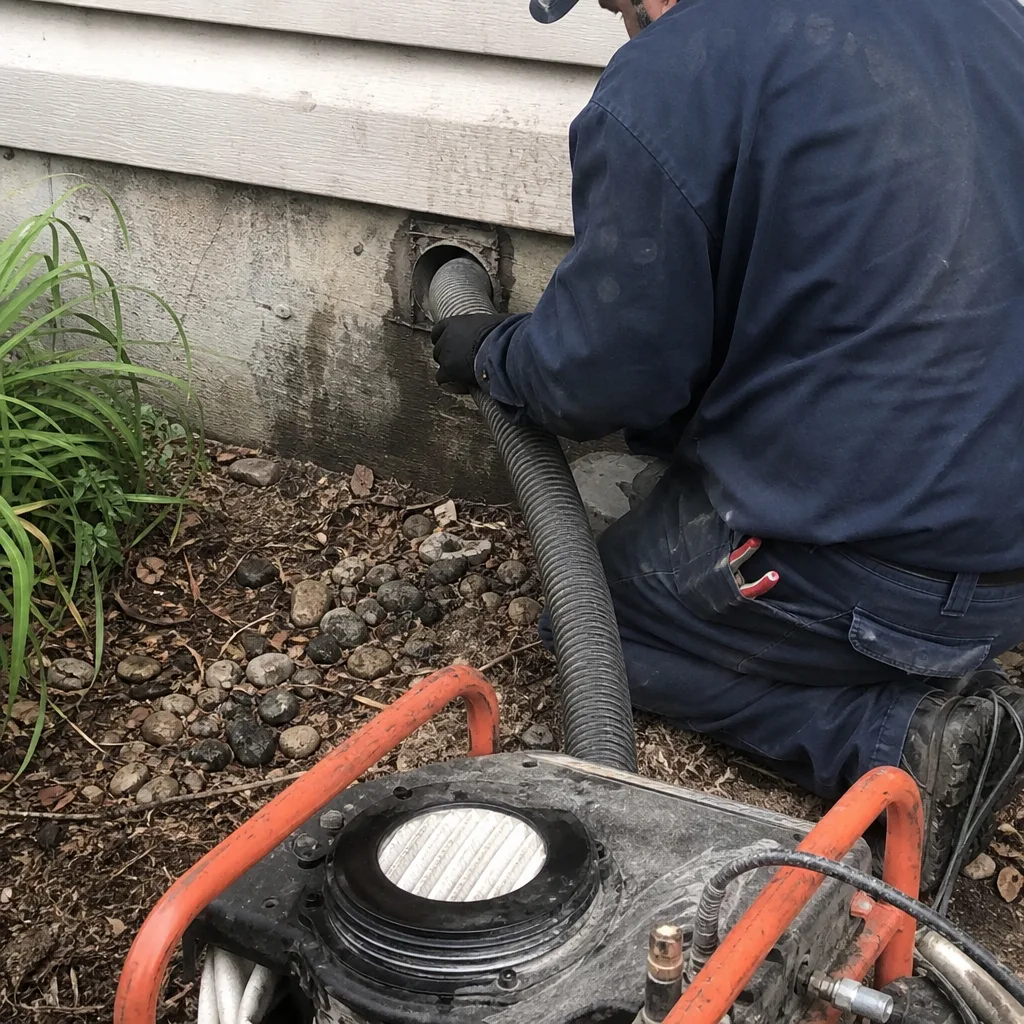 Before
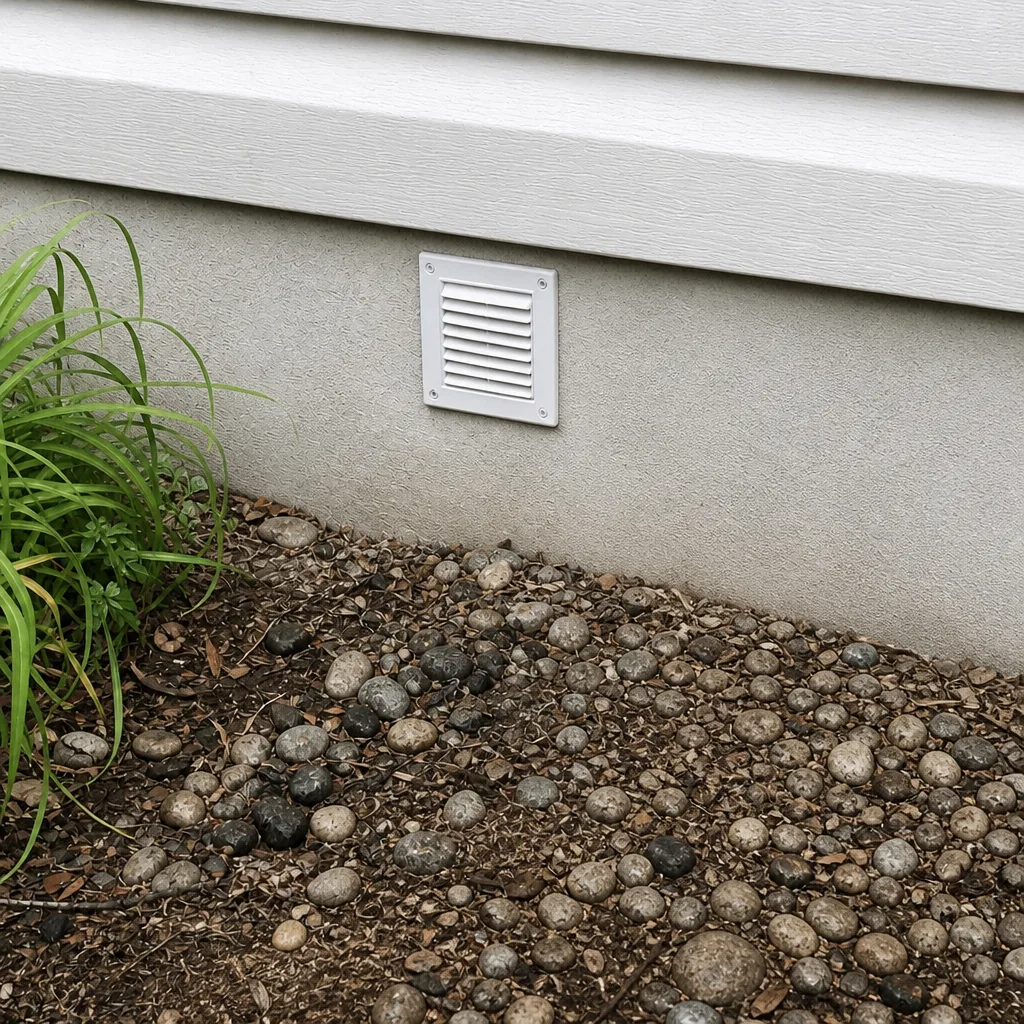 After
When to Call a Professional
Call a professional when the signs point to more than a vacuum and a filter change. Symptoms that warrant a technician visit: rooms that never reach setpoint while neighbors on the same trunk do, musty smells that return within a few weeks of a cleaning, visible dust puffing from a vent, a boot gap you can see from the floor, or a system you’ve never had cleaned and you’re moving into it. Any of the following is a specific reason to get eyes on the system:
- Two or more rooms are weak at the same time and the filter is clean.
- A smell comes back within a month of a whole-home cleaning.
- You see daylight around a ceiling boot or a duct joint in the attic.
- A contractor recently moved insulation or wiring in the attic and airflow changed afterward.
- You have not had the ducts professionally cleaned and someone in the home has asthma or allergies.
Lehi Air Duct Cleaning offers free estimates in Lehi. Call (833) 513-8123. We answer 24/7. Fast dispatch from 7am to 7pm, Sunday through Friday. A call outside dispatch hours is booked into the next opening.
Frequently Asked Questions
Whole-system air duct cleaning in the Lehi area typically runs several hundred dollars, with the exact price depending on the number of registers, the length of the trunk, and whether the job includes coil cleaning, repair, or sanitizing. We price per job by written estimate, not per vent, so you know the total before any work starts. Call (833) 513-8123 for an exact quote, estimates are free.
A low quote usually means a shorter service that skips the plenum, trunk, returns, or coil, and a shop vac does the work instead of professional mechanical systems like Rotobrush or Nikro. The catch comes later when the dust returns, or the same ducts need to be cleaned again after a proper job. Ask what’s included and what equipment is used before you book. Call (833) 513-8123 for a written estimate on the full pathway.
Ask for before-and-after photos of the ductwork every time. A proper clean includes brushing and extraction inside the trunk, plenum, and branches, and photos show the change. Walk through the vents yourself with the technician before and after; a thorough clean is visible from the register side. Call (833) 513-8123 to set up a walkthrough estimate.
Most homes benefit from cleaning every few years, with more frequent intervals if there are pets, recent remodeling, or allergy concerns in the household. Homes that had never been cleaned before moving in are the most common call we get. A coil clean every couple of years keeps smell issues from coming back. Call (833) 513-8123 to talk through the right interval for your system.
Lehi sits in a dry, dusty valley where summer dust gets pulled through return grilles and humid cooling season keeps the evaporator coil wet for long stretches. Together, that means dust film accumulates faster in the plenum and coil, and the coil becomes the source of musty smells more quickly than in a cooler climate. Attic runs in newer subdivisions are another factor, since branch lines that sag collect debris in the heat. Call (833) 513-8123 for a diagnosis of your specific setup.
Yes, if the inspection finds a crushed branch, a disconnected takeoff, or an unsealed return. Cleaning around a broken pathway just moves dust through the same broken system. We perform duct repair and sealing in-house so you aren’t coordinating a second contractor between visits. Call (833) 513-8123 for a free estimate and we’ll tell you what the system needs, in order.
The Bottom Line
Most duct problems trace back to one zone, not the whole system. Blower and coil issues show up as system-wide weakness and smell. Trunk problems show up as several rooms losing temperature at once. Branch problems show up as one or two rooms that never recover. Boot problems show up as dust puffs and visible gaps. Match the symptom to the zone before you spend money, and you skip most of the re-cleans that come from guessing. In Lehi, dry valley dust and long cooling-season runtimes are the two biggest drivers of coil biofilm and plenum dust. When the diagnosis says repair or seal first, get that done before the next clean. That’s the full-system approach: from the blower to the vent, with professional-grade equipment and containment that keeps the dust out of the room you’re in.
If you’d rather skip the diagnosis and have a technician confirm the answers, call (833) 513-8123 for a free estimate. We answer 24/7. Fast dispatch from 7am to 7pm, Sunday through Friday. A call outside dispatch hours is booked into the next opening.
Written by the team at Lehi Air Duct Cleaning.