
Last updated November 25, 2026
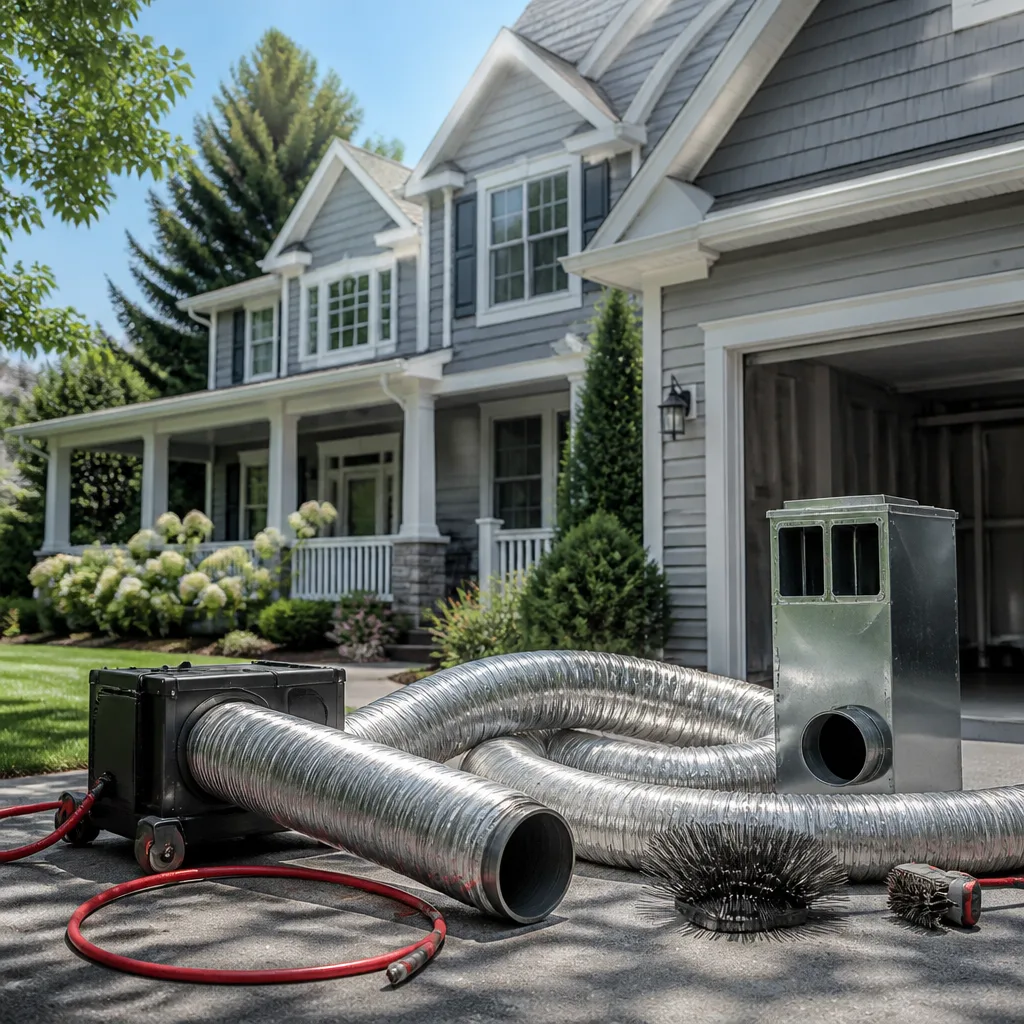 Whole-home duct cleaning
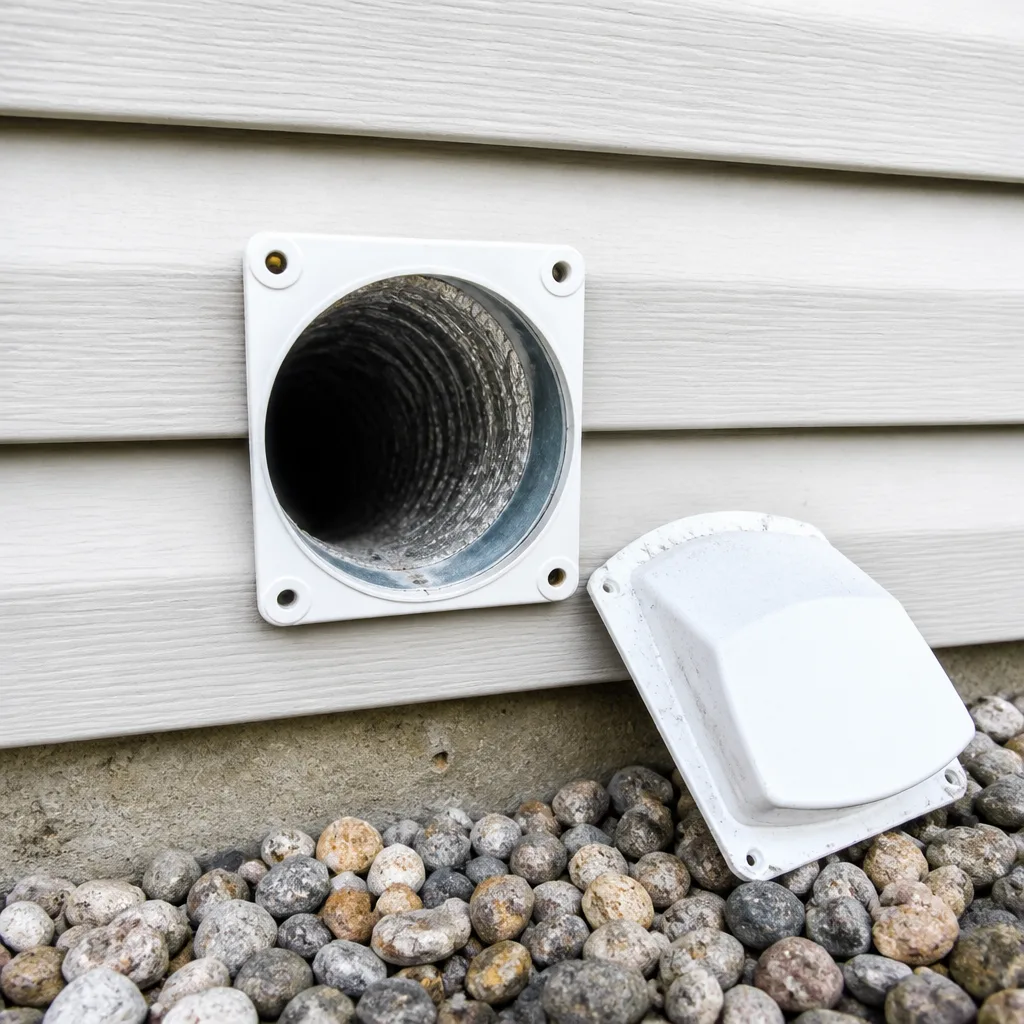 Dryer vent cleaning
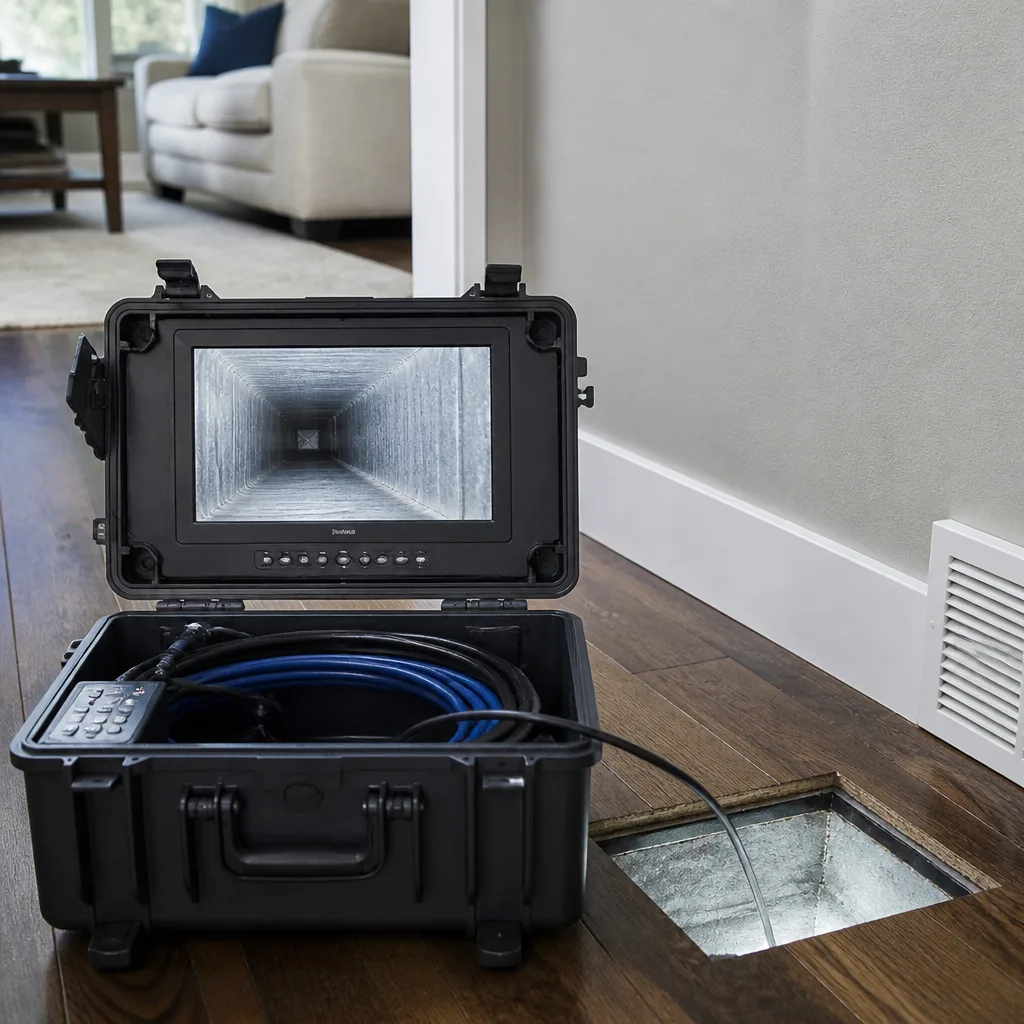 Camera inspection
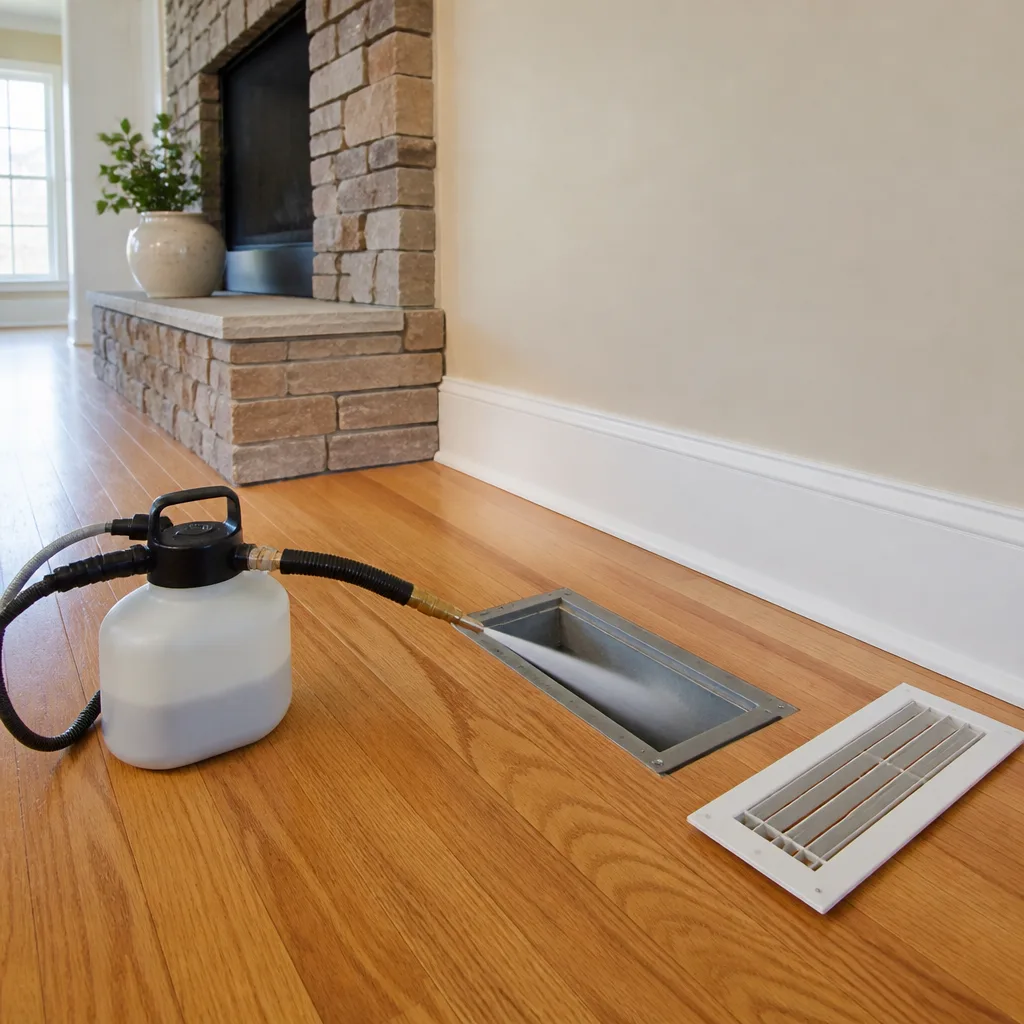 Sanitizing & deodorizing
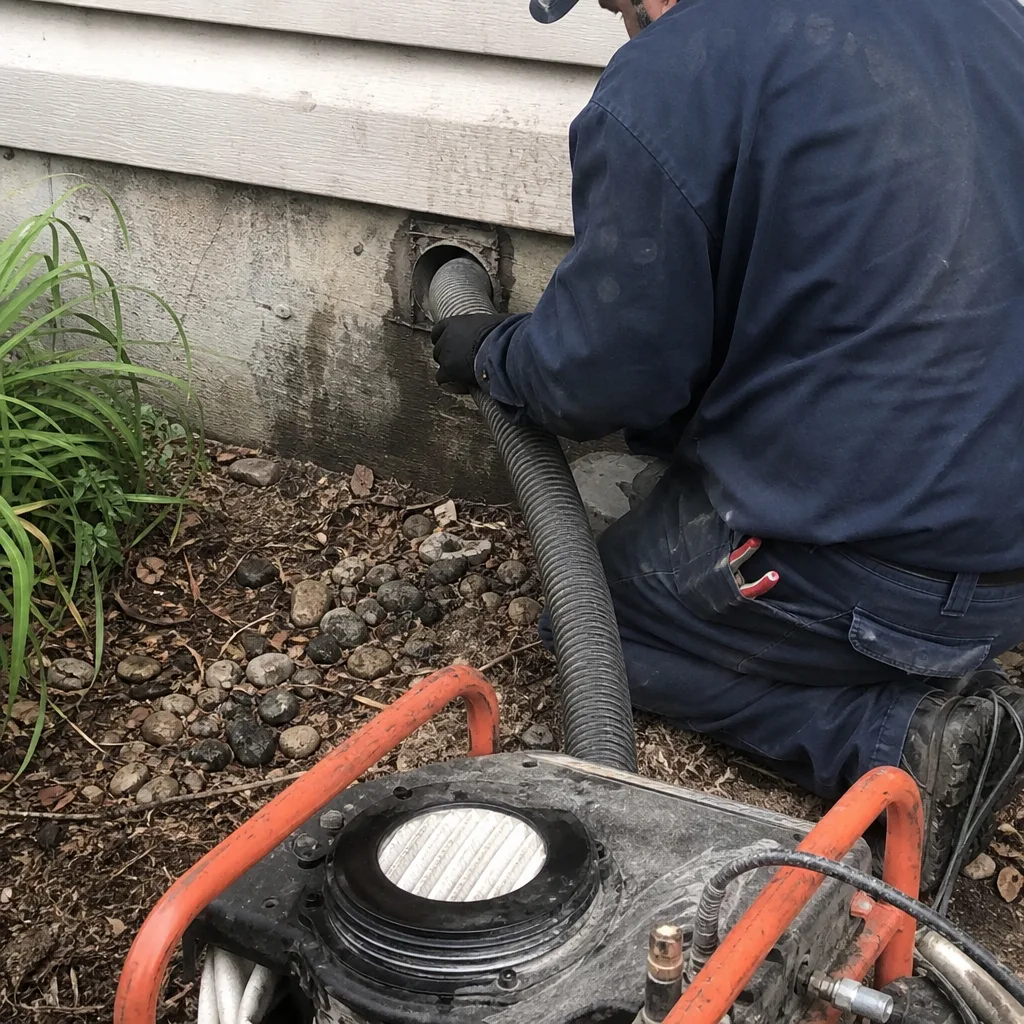
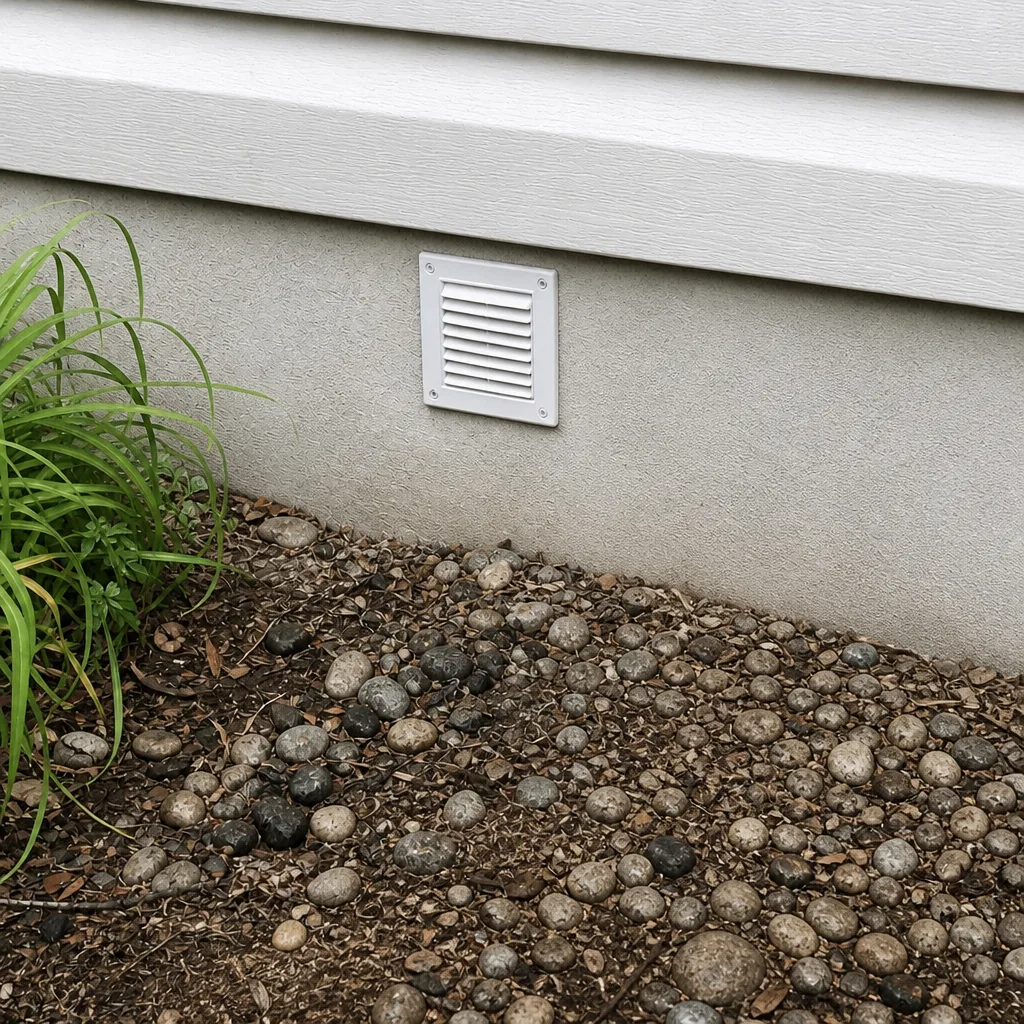
Whole-system duct and dryer vent check with before-and-after photos - you see exactly what came out of your vents
That "$99 whole-house special" is a bait ad - the real number appears once they are in your hallway, or the "clean" is a shop-vac at the register. We photograph the inside of your ducts before and after instead.
The Complete Guide to Air Duct Cleaning in Lehi
Most air duct cleaning companies clean only what their one hose can reach. In practice, that often means the last ten feet of branch duct near each register, while the blower wheel caked with debris keeps cycling contaminated air through the entire system. The registers look clean afterward, and the air still smells the same. A complete job is a system-wide assessment, not a single pass with a vacuum. This guide maps the whole air pathway in a Lehi home, from the blower compartment to the vent boot, and explains what a professional should actually touch, why it matters, and what to check before you pay.
Styles & brands we work with
- Whole-home duct cleaning
- Dryer vent cleaning
- Camera inspection
- Sanitizing & deodorizing
Quick Answer
Air duct cleaning in Lehi is the mechanical cleaning of the entire air pathway, including the blower compartment, air handler cabinet, supply plenum, main trunk, branch runs and register boots. A thorough job uses professional-grade negative-air containment and mechanical agitation, follows NADCA ACR assessment standards, and finishes with before-and-after photos of the plenum, not just the vents. Expect a whole-system estimate before work starts, with the written price covering each system rather than each vent.
Table of Contents
- Why Lehi Homes Need a Different Approach
- The Anatomy of a Full Air Pathway
- What Single-Vacuum Operators Skip
- What NADCA ACR Standards Actually Require
- Why the Blower Wheel and Air Handler Cabinet Matter Most
- How to Verify a Cleaning Was Thorough
- What Air Duct Cleaning Costs in Lehi
- How Often Ducts Really Need Cleaning
- Common Mistakes to Avoid
- When to Call a Professional
- Frequently Asked Questions
- The Bottom Line
Why Lehi Homes Need a Different Approach
Lehi sits high in a mountain valley, and the air moving through your ductwork carries a particular mix of particles that lower-elevation towns don’t deal with in the same way. The dry, dusty conditions of the valley floor mean fine particulate gets pulled into return-air grilles all year, and the seasonal contrast between a cold, dry winter and a hot, dry summer keeps that dust mobile instead of settling and staying put. Add the region’s wind events, when valley dust lifts and drifts across newly graded lots, and you have a steady supply of material looking for somewhere to land inside the house. Your ducts are the most efficient collection bin in the building.
The other half of the Lehi picture is construction. This is one of the fastest-growing cities in the state, and new subdivisions in the Lehi foothills and around the Silicon Slopes corridor have been going up for years. New construction means drywall dust, joint compound particulate, sawdust and fiberglass fragments that settle into the ductwork before a family ever moves in. Those materials are fine and slightly sticky. They don’t blow out on their own. A home that’s two years old can have a blower wheel that looks like it’s been running for twenty.
We see both profiles here: brand-new homes carrying construction residue and older homes carrying years of valley dust, pet hair and the fine grit that dry seasons produce. The cleaning work is similar in principle, but the assessment is different. That’s why we look at the system before we decide on a method.
The Anatomy of a Full Air Pathway
A home’s air pathway has distinct segments, and each one collects a different kind of debris. A complete cleaning treats every segment. Here’s the map we work from on every project.
1. Return-air grilles and return trunk
The return side is where most dust enters the system. Return grilles often carry the heaviest load in the house because they draw from living spaces where dust, hair and lint concentrate. The return trunk that feeds the air handler can hold a thick layer of fine particulate.
2. Blower compartment and blower wheel
The blower wheel is a finned cylinder that spins to push air through the system. Its fins are shaped to grab air, and they also grab dust. When the fins load up unevenly, the wheel loses balance, moves less air and puts extra strain on the motor. This is the single most overlooked part of residential duct cleaning.
3. Air handler cabinet and evaporator coil
The cabinet houses the blower and often the evaporator coil. A dirty coil loses heat-transfer efficiency and can develop moisture issues. Cleaning the cabinet without cleaning the coil leaves the job half finished.
4. Supply plenum
The plenum is the box that distributes air from the air handler into the trunk. It’s a high-turbulence zone, and debris dislodged during cleaning tends to collect here. That’s why plenum photos matter so much as proof of work.
5. Main trunk line
The trunk runs the length of the house and branches off to individual rooms. Its larger diameter means lower air velocity, which lets fine dust settle along the bottom of the run.
6. Branch runs and register boots
Branch runs feed each room. The register boot is the elbow where the branch meets the floor or wall vent. Boots trap heavy debris and are where cut-rate cleaning usually stops. A proper pass cleans the full run and the boot, not just the visible opening.
What Single-Vacuum Operators Skip
The most common shortcut in this trade is a single shop-style vacuum connected to one register at a time while the technician runs a whip line a few feet into each branch. It’s fast, it’s cheap to operate, and it produces a visibly clean vent. What it misses is the rest of the system.
- The blower wheel: a single vacuum can’t reach it. We clean it with mechanical agitation and containment, because a loaded wheel keeps pushing dirty air through every run you just cleaned.
- The air handler cabinet and coil: these require opening the cabinet and cleaning around the components. Many operators don’t open the cabinet at all.
- The supply plenum: the plenum is upstream of the trunk and often collects the heaviest debris. Cleaning the trunk without the plenum just moves the problem.
- Deep branch runs and boots: a whip line that goes ten feet into a thirty-foot branch leaves most of the run untouched.
- Duct integrity: disconnected joints, torn flex and leaky seams are common in homes that have had additions or HVAC changes. Cleaning a leaky system without sealing it means the dust comes straight back.
- Debris capture: without negative-air containment, dislodged particles can end up redistributed into living spaces instead of removed.
The difference between a proper full-system cleaning and a register-only pass is the difference between a clean system and a clean-looking one. For a detailed look at our full-service approach to the whole pathway, see air duct cleaning.
What NADCA ACR Standards Actually Require
The National Air Duct Cleaners Association publishes assessment, cleaning and restoration standards, usually referred to as ACR. Those standards define what a professional job looks like from the assessment stage through verification. Most residential quotes you’ll see don’t touch them.
Here’s a plain-language summary of what the standards expect, and what a real job should therefore include:
- A pre-cleaning assessment. The technician inspects the system first and records conditions before any cleaning begins. This is often photographic, including interior views of the plenum and trunk.
- Source removal, not just surface cleaning. The goal is to physically remove contaminants, not to spray them, mask them or dislodge them into the air.
- Containment. Debris dislodged during cleaning must be captured. That means negative-air equipment and, where the job calls for it, sealed openings.
- Mechanical agitation. Contact cleaning of the duct surfaces, not just airflow through the duct. Air alone leaves the fine layer that carries odor and allergens.
- Full-system access. All components of the system are cleaned, including the blower and cabinet, not only the duct runs.
- Post-cleaning verification. The technician documents conditions after cleaning, typically with photos, so the customer can see the result inside the system.
If a quote doesn’t mention containment, mechanical agitation or verification photos, you’re likely being sold a surface pass with a coupon attached. Ask directly which ACR elements the job will cover. A company that works to the standard will answer without hesitation.
Why the Blower Wheel and Air Handler Cabinet Matter Most
People picture duct cleaning as the ducts themselves. In our experience, the blower and air handler cabinet are where the real air-quality difference is made. Here’s why.
The blower wheel spins continuously when the system runs. Its fins are the engine of your air movement. When they load with dust, three things happen at once. The wheel loses airflow efficiency, the motor works harder to push the same volume, and the debris layer becomes a constant source of circulating particles. A clean duct system downstream of a dirty blower is like polishing the floors after walking through mud.
The air handler cabinet is the same story. It’s the box just outside the ducts, and debris settles there because air slows as it enters the blower. Cabinet cleaning also gives a technician the chance to inspect the evaporator coil. A coil coated with dust and lint can’t transfer heat well, which shows up as longer runtimes and higher energy use. Cleaning it at the same time makes sense because the cabinet is already open.
What makes this practical is equipment. We use professional-grade mechanical cleaning systems from Rotobrush and Nikro, the same class of tools used in commercial HVAC and restoration work, and Abatement Technologies negative-air containment to keep dislodged debris from drifting into the house. That equipment lets us clean the blower and cabinet properly rather than working around them.
How to Verify a Cleaning Was Thorough
The honest way to confirm a cleaning was real is to look inside the system, not at the vents. A technician can make a register opening look spotless in five minutes. The plenum and trunk show the actual work. Here’s how to check.
- Ask for before-and-after photos of the supply plenum. The plenum is high-turbulence and collects debris, and its interior is visible once the access is opened. Photos of the plenum before and after tell you far more than photos of the floor vents.
- Ask for photos of the blower compartment. A clean blower wheel has visible fin detail. A dirty one shows an even or uneven coating.
- Check the access points. Proper cleaning requires access. You should see where access was created and how it was sealed afterward.
- Ask whether containment was used. Negative-air equipment should have been running during cleaning. Photos of the containment setup are good evidence.
- Ask about verification. A professional job ends with a documented walk-through. If the technician can’t describe what was cleaned and show it, that’s your answer.
Don’t accept “we cleaned everything” as a finish line. Ask for the plenum and blower shots and compare them. It’s the fastest way to tell the difference between a real job and a coupon job.
What Air Duct Cleaning Costs in Lehi
Air duct cleaning is priced per system, not per vent. A whole-home system cleaning typically falls into a broad range in this market, and the written estimate sets the final price once the technician sees the system. Here’s how the pieces usually break down as a typical estimate:
- Full-system duct cleaning (blower, cabinet, plenum, trunk and branches): typically a few hundred to just under a thousand dollars for a standard single-story home, more for larger homes with multiple systems or long branch runs
- Additional HVAC system (second furnace or air handler): priced as a separate system, usually a fraction of the first system’s price
- Dryer vent cleaning: a standalone service, usually a smaller line item, and often added at the same visit
- Duct repair and sealing: quoted after an inspection reveals the compromised sections; pricing depends on how many joints need work
- Air quality sanitizing: quoted per system, based on the size of the system and the product used
A couple of things to watch. Be wary of a quote that’s dramatically lower than everyone else’s. In this trade, a low teaser price is often the entry ticket to a much larger invoice once the technician is inside your house. Ask for a flat price per system, agreed before work starts, with the scope written down. We’re glad to walk you through the numbers and give you a real estimate for your home.
How Often Ducts Really Need Cleaning
There’s no universal clock on duct cleaning. The honest answer is “when the system needs it,” and the needs depend on the home, the occupants and the conditions. Here’s a practical way to think about it.
- Every three to five years for a typical home with no special conditions and normal occupancy
- More often in homes with pets, allergy sufferers, young children or anyone sensitive to airborne particles
- Sooner in recent construction. A home that’s been finished in the last couple of years often needs a cleaning once the construction draw has settled
- After major renovations that involved sanding, drywall or demolition
- Dryer vent cleaning is a separate schedule. It’s worth checking at least once a year, and lint buildup in a dryer vent is a known structure-fire risk
Lehi’s dry climate encourages dust to stay airborne longer, which means more of it lands in your return grilles and settles in the system. If you’ve never had the ducts cleaned, or you don’t know the last time it happened, that’s usually the moment to have someone look.
Common Mistakes to Avoid
- Hiring on price alone. A dramatically low quote is often a loss leader for in-home upselling. Ask for the whole-system range and what’s included.
- Not asking for plenum photos. Vents always look clean after any cleaning. The plenum and blower tell the real story.
- Skipping the blower wheel. A clean duct network downstream of a dirty blower is still a dirty system. Ask explicitly whether the blower and cabinet will be cleaned.
- Cleaning without checking duct integrity. Leaky or disconnected joints undo the cleaning within weeks. A professional should inspect and offer to seal obvious leaks on the same visit.
- Ignoring the dryer vent. It’s a separate system and a genuine safety concern. Many pure duct cleaners won’t touch it.
- Buying an air-quality product before cleaning. Filters and purifiers work best on a clean system. Ask for the cleaning first, then talk air quality.
- Not venting in a hot attic without protection. In Lehi’s desert summer, attic access means heat. Don’t be surprised to find a professional timing the blower inspection for the cooler part of the day.
When to Call a Professional
Some signs point clearly to a professional cleaning, and some are more subtle. Call us if you notice any of the following. Visible dust trailing from a register when the system kicks on. A musty or dusty smell that lingers after cleaning the floors. Darkening around return grilles. A teenager or family member with worsening allergy symptoms when the system runs. Recent drywall work or a home renovation that coated the house in fine dust. A newly built home that’s about to be occupied. A dryer that takes longer than it used to, or a lint screen that looks suspiciously thin while lint accumulates somewhere else. An HVAC system that seems to run longer than it did before.
If any of those sound familiar, the next step is a free estimate. Lehi Air Duct Cleaning offers free estimates in Lehi. Call (833) 513-8123. We answer 24/7. Fast dispatch from 7am to 7pm, Sunday through Friday. The local professional is licensed and insured as the state requires, and the written estimate is yours before any work begins.
Frequently Asked Questions
Air duct cleaning in Lehi is priced per system, not per vent, and a typical whole-home system cleaning falls into a few-hundred-dollar range with larger homes and multiple systems at the upper end. The written estimate sets the final price. Call (833) 513-8123 for an exact quote – estimates are free.
Most homes do fine with a professional cleaning every three to five years, and homes with pets, allergy sufferers or young children often need it more often. Newly built homes often need one cleaning once construction dust has settled. If your ducts smell or the system runs unevenly, it’s worth a look sooner. Call (833) 513-8123 for a free estimate.
Cheap quotes usually reflect a register-only pass with a single vacuum and a whip line, without blower cleaning, containment or plenum cleaning. In this trade, a low teaser price is often the entry ticket to a much larger invoice once the technician is inside the home. Ask what’s included and ask for a flat price per system before work starts. Call (833) 513-8123 for an honest, written estimate.
Ask for before-and-after photos of the supply plenum and the blower compartment – not just the floor vents. Plenum and blower interior photos show exactly what changed inside the system. If a technician can’t produce those shots, that’s the answer you need. Call (833) 513-8123 for an estimate and a scope in writing.
Yes, in most cases. New construction leaves drywall dust, joint compound residue and sawdust in the ductwork before the family moves in, and those materials don’t clear on their own. A cleaning once the construction dust has settled protects both the blower and the indoor air. Call (833) 513-8123 for a free estimate.
Yes. Our full-system service covers dryer vent cleaning, HVAC cleaning, duct repair and sealing, and air quality sanitizing, so the whole air pathway can be addressed in a single visit. That matters because a clean system with a leaky joint will pick up dust again within weeks. Call (833) 513-8123 to talk through what your home needs.
Yes. We work with Honeywell and Aprilaire indoor-air-quality products, including filtration and humidity systems, which can be added once the system is clean. A filter works best on a clean system, so the cleaning comes first. Call (833) 513-8123 to discuss which options fit your home.
The Bottom Line
A complete air duct cleaning in Lehi is a system-wide job, not a single pass with a vacuum. It covers the return grilles, blower wheel, air handler cabinet, supply plenum, main trunk, branch runs and register boots, and it follows NADCA ACR standards for assessment, containment, mechanical agitation and verification. The blower and cabinet often matter more than the ducts themselves. If you want a cleaning you can verify, ask for plenum and blower photos, ask whether containment was used, and get a flat price per system in writing before work starts. That’s the standard we work to at Lehi Air Duct Cleaning, and we’re glad to walk you through it on a free estimate.
Call (833) 513-8123 for a free estimate. We answer 24/7. Fast dispatch from 7am to 7pm, Sunday through Friday.
Written by the team at Lehi Air Duct Cleaning.
See the difference
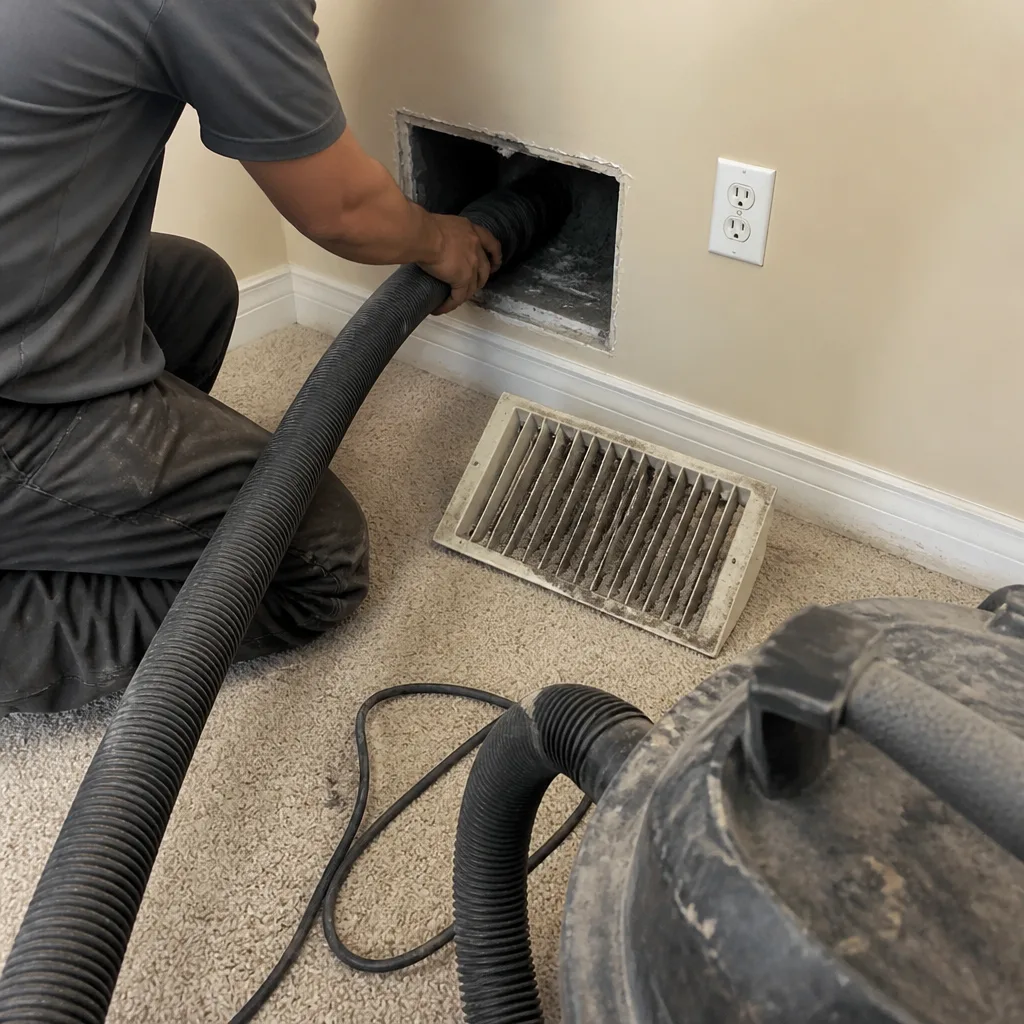 Before
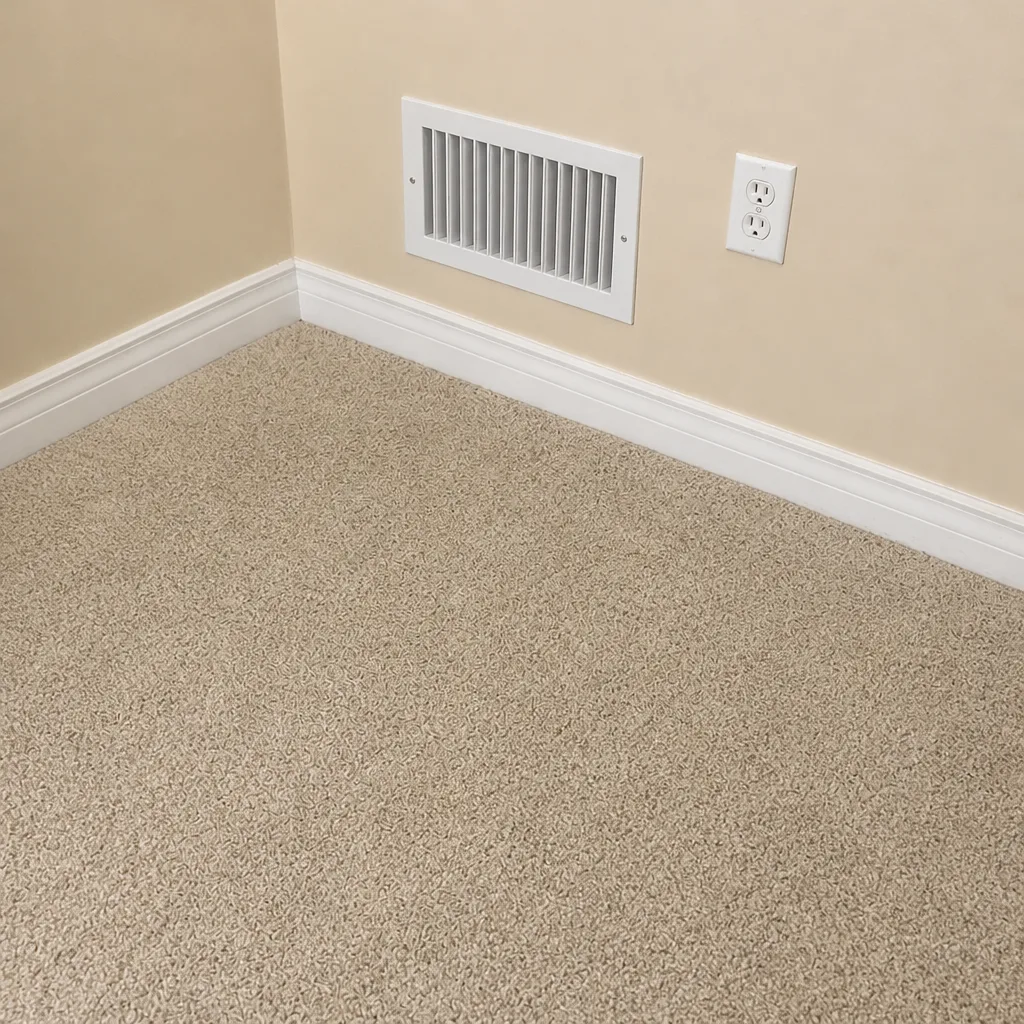 After
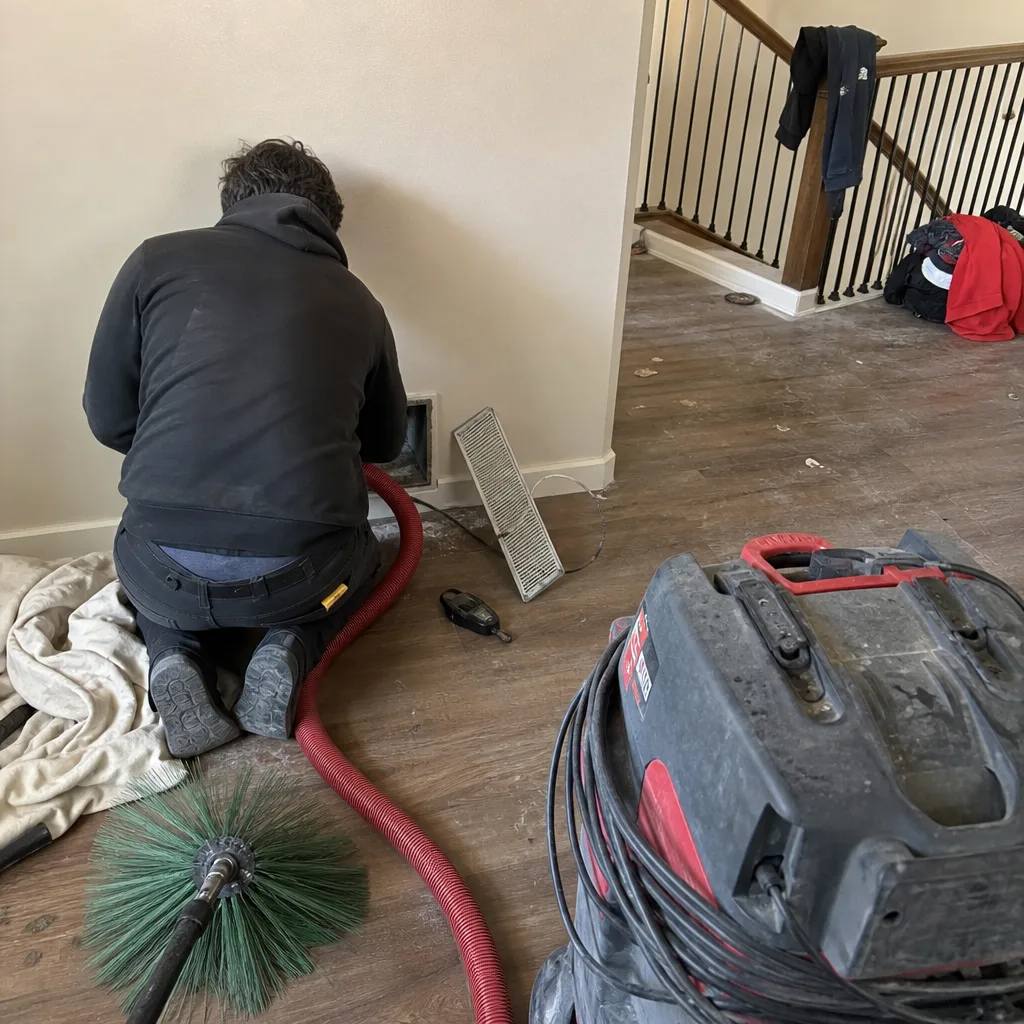 Before
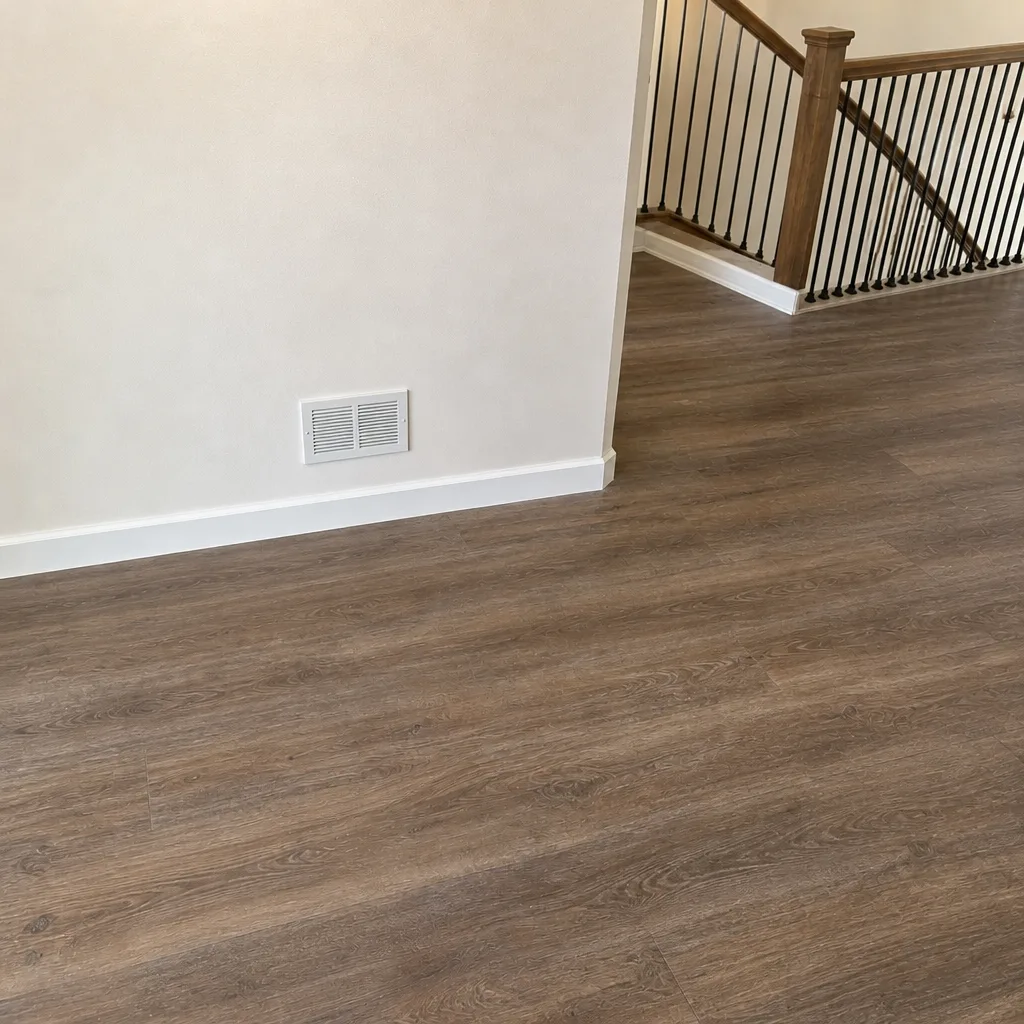 After
 Before
 After