
Last updated November 25, 2026
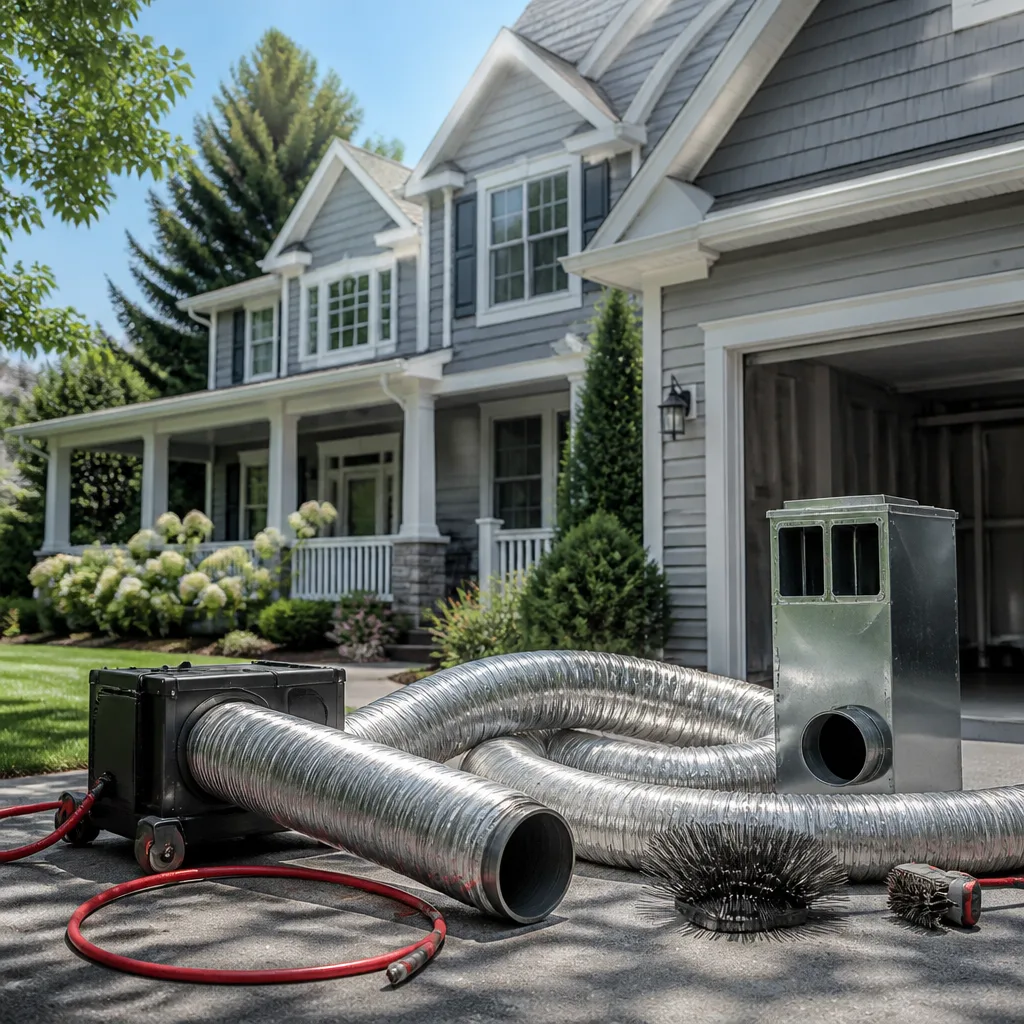 Whole-home duct cleaning
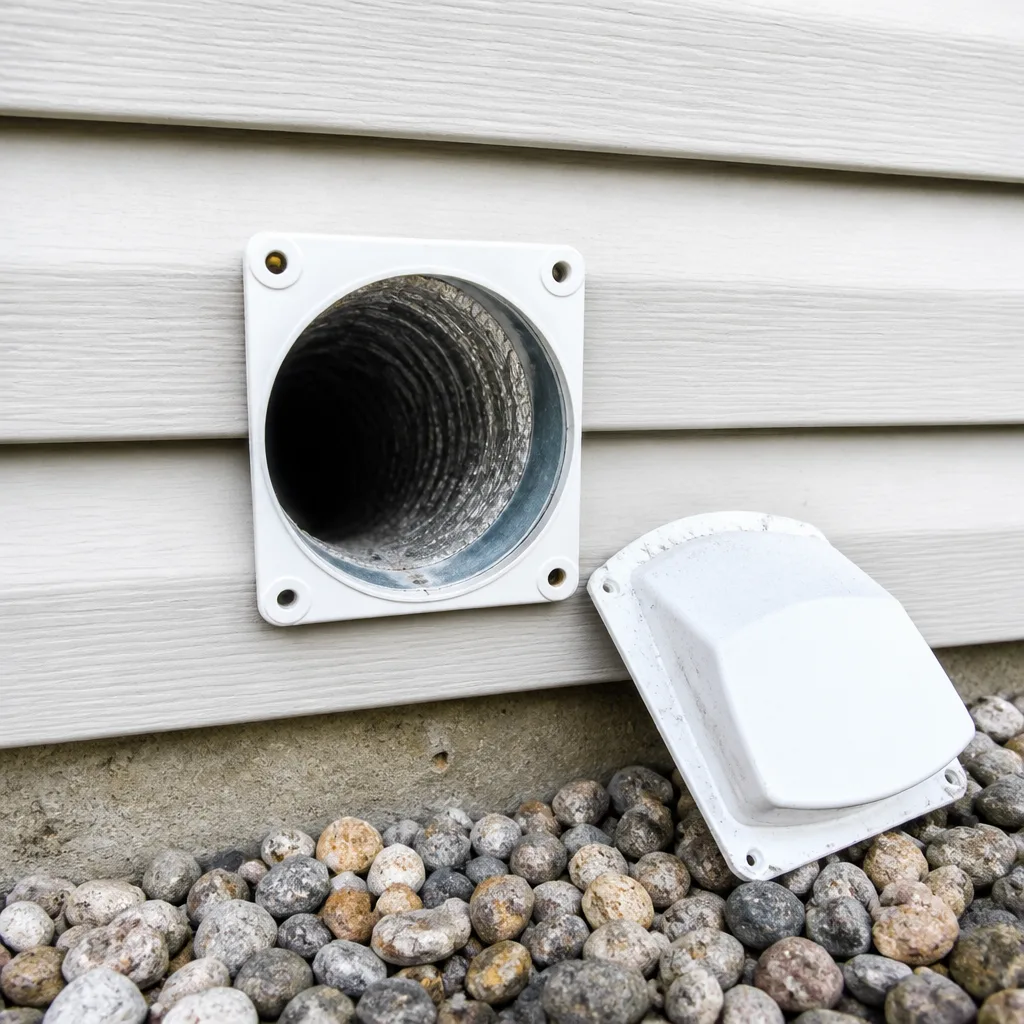 Dryer vent cleaning
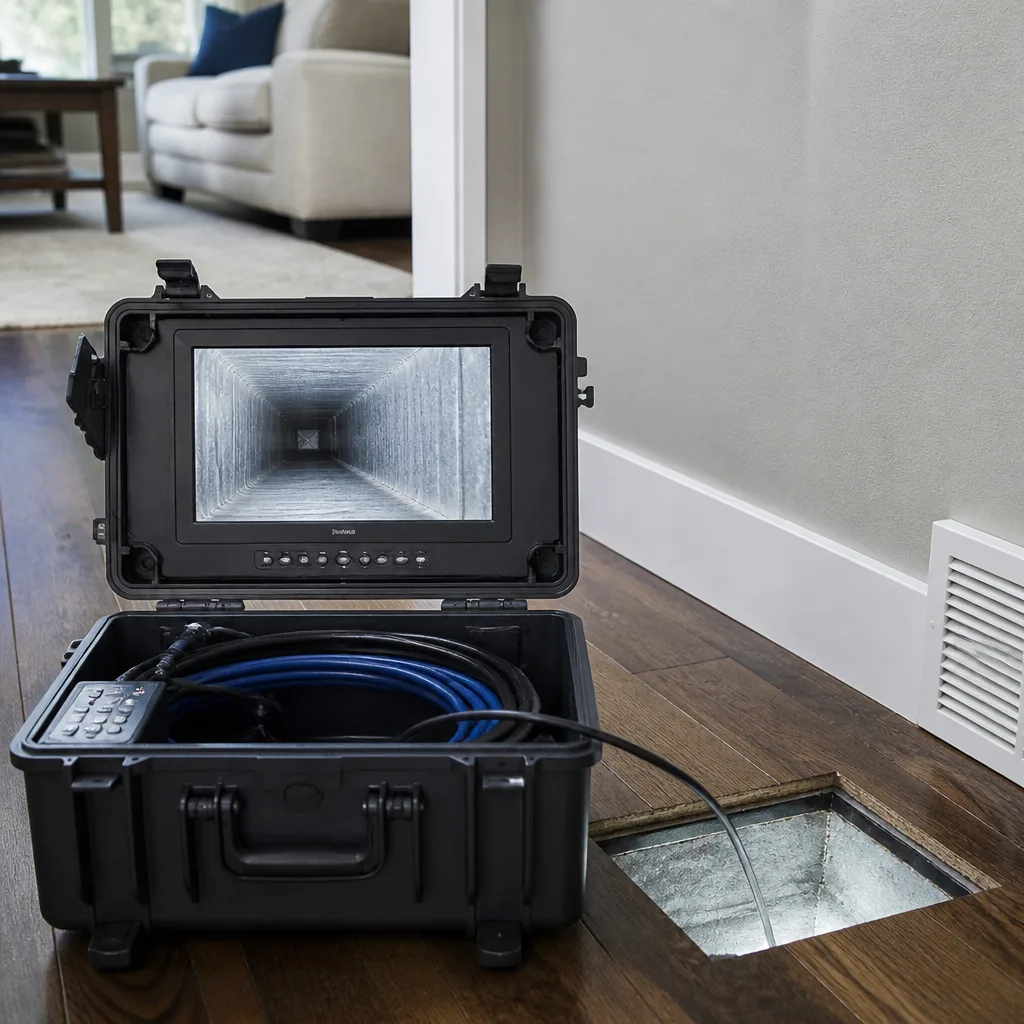 Camera inspection
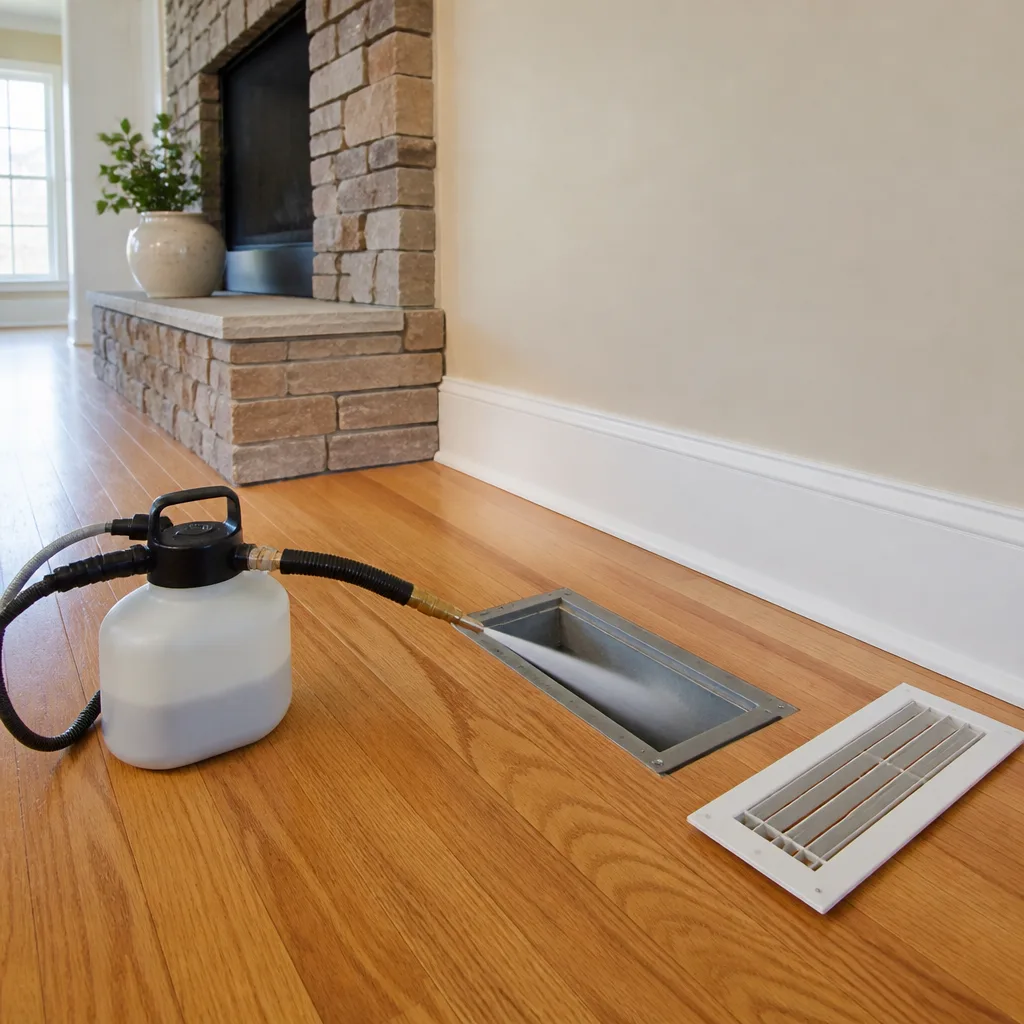 Sanitizing & deodorizing
Whole-system duct and dryer vent check with before-and-after photos - you see exactly what came out of your vents
That "$99 whole-house special" is a bait ad - the real number appears once they are in your hallway, or the "clean" is a shop-vac at the register. We photograph the inside of your ducts before and after instead.
Air Duct Cleaning Warning Signs: A Lehi Homeowner’s Reference Guide
A puff of dust from a register when the furnace kicks on is the sign homeowners notice first, and it’s usually the one they misread. That puff doesn’t mean your ducts are getting dirty. It means they’ve been dirty long enough for loosened debris to collect in a way that airstream can lift. The systems we assess in Lehi almost never fail dramatically; they send quiet operational signals first. This guide teaches you to read those signals, from odor to filter loading to uneven room temperatures, and to tell which ones point to a cleaning, which point to a repair, and which point to something a technician needs to look at right away.
Quick Answer
The clearest signs your air ducts need cleaning are a musty smell that shows up only during the first minutes of startup, a filter that loads visibly faster than its packaging suggests, dust settling on surfaces within a day of wiping, and rooms of similar size running more than about 3°F apart. If the signal comes with a sweet chemical smell or a metallic burning odor, stop and call a technician for an HVAC inspection before scheduling any cleaning.
Styles & brands we work with
- Whole-home duct cleaning
- Dryer vent cleaning
- Camera inspection
- Sanitizing & deodorizing
Table of Contents
- The Seven Quiet Signals Most Homeowners Miss
- Reading the Three Odors: Dirty Duct, Refrigerant, or Heat Exchanger
- What Accelerated Filter Loading Actually Tells You
- The Room-Temperature Differential Test
- Lehi Construction-Era Signals: What 2010 – 2020 Homes Carry
- When the Warning Sign Isn’t About Cleaning
- Dryer Vent Warnings That Belong on a Separate List
- How a Proper Assessment and Cleaning Runs
The Seven Quiet Signals Most Homeowners Miss
The dramatic signs get all the attention. The ones that matter most are incremental, and they build over months rather than appearing overnight. Here’s what we look for when we walk into a Lehi home, in roughly the order they show up.
- First-startup odor. A musty smell in the first thirty to sixty seconds after the system comes on, then it fades. This is the signature smell of settled dust and organic debris in the return plenum and branch runs getting disturbed and then dispersed.
- Faster filter loading. If a filter you used to change on a predictable schedule is now visibly gray inside half that time, something upstream has changed. More on this below.
- Dust settling within a day of dusting. A normal home holds a wiped surface clean for several days. A home where it’s dusty again by evening has a volume problem in the airstream, not a housekeeping problem.
- Uneven room temperatures. Rooms of similar size, similar sun exposure, and similar register count that run more than about 3°F apart point to a delivery problem, not a thermostat problem.
- Visible debris in the register boot. Shine a light into the supply registers. Fresh grit and fibers sitting on the boot floor mean material is accumulating in the branch run and being dropped back into the airstream.
- Allergy or irritation patterns that follow the seasons of system use. Symptoms that get worse in heating season and again in cooling season, following the airstream rather than the outdoor pollen calendar.
- The dust puff at startup. As we opened with, this one is a confirmation, not an early warning.
A single item from this list is worth watching. Two or more clustered together point to the same system problem, and that’s when a proper air duct cleaning assessment is worth scheduling. The point of this guide is to teach you to group the signals rather than treat each one in isolation.
Reading the Three Odors: Dirty Duct, Refrigerant, or Heat Exchanger
Homeowners often describe all three as “a weird smell from the vents” and conflate them into one concern. They’re three distinct problems with three distinct responses, and getting them right matters.
Dirty Duct Odor
The dirty duct smell is musty, earthy, sometimes faintly like old paper. It’s strongest in the first minute after the system starts, weakest after ten minutes of continuous operation, and often more noticeable in humid weather or after the system has been off all day. It comes from the accumulation of settled organic debris in the return plenum and branch runs, and it’s the one signal that a full-system clean resolves.
Refrigerant Leak Smell
A refrigerant leak doesn’t smell musty; it smells faintly sweet, sometimes like a hospital or a chlorinated chemical, and it’s usually concentrated near the indoor coil or the refrigerant lines rather than at the supply registers. If you catch a sweet chemical odor anywhere near the air handler cabinet, shut the system off and schedule an HVAC inspection. This is not a duct cleaning issue and never was.
Heat Exchanger Concern
A burning, metallic, or exhaust-like smell during heating operation, paired with any headache, nausea, or unusual fatigue in the household, is a safety concern and needs a technician on site quickly. A cracked heat exchanger can introduce combustion byproducts into the airstream. We don’t diagnose heat exchangers over the phone and we don’t advise homeowners to inspect one themselves; we recommend a qualified HVAC technician look at the unit before the cleaning is scheduled. Our HVAC cleaning assessment includes a visual check of the air handler cabinet, but the heat exchanger itself is a technician’s job.
Sorting these three is the single most useful diagnostic skill this guide can teach. Musty and startup-linked, schedule a cleaning. Sweet or chemical, schedule an HVAC inspection. Burning or exhaust-like in heating season with symptoms, treat it as urgent.
What Accelerated Filter Loading Actually Tells You
When the filter in an air handler starts loading faster than the packaging predicts, most homeowners assume the ducts are simply dirtier than they used to be. That’s the common explanation, and it’s often wrong. Accelerated filter loading has two distinct causes that call for two different responses, and it’s worth learning to tell them apart.
Contamination Volume
If the filter darkens quickly and the dust is evenly distributed across the filter face, the cause is likely contamination volume: more debris is entering the return than the filter schedule was designed for. This is the straightforward case. A full-system cleaning brings the debris load back to baseline and the filter returns to its old rhythm.
Duct Leakage
If the filter darkens faster and the dust is clustered, patchy, or concentrated on one side of the filter, the cause is often leakage. A return-side leak pulls unconditioned air, attic insulation fibers, or crawlspace dust into the return plenum, and the filter catches all of it. The ducts get blamed while the real problem is a gap. This is why the Lehi Air Duct Cleaning full-system approach includes duct repair and sealing as one of the five service categories: a cleaning that ignores a leak leaves the accelerated loading to return within a month.
A Simple Distinguisher
Here’s the test we recommend, and it costs nothing:
- Write the install date on the filter’s cardboard frame at each change.
- Note the appearance pattern each time: even or patchy, and which side.
- If two consecutive changes show patchy, one-sided loading, ask for a duct leakage inspection before scheduling cleaning.
The install-date habit alone tells the story in most homes. A filter loading in 30 days where it used to take 90 is a signal you’ll want to bring to the estimate conversation.
The Room-Temperature Differential Test
Uneven room temperatures are one of the most common complaints we hear in Lehi, and almost none of them are a thermostat problem. The thermostat reads the return air at one point; it has no idea what’s happening at the far bedroom’s register. The test that does is straightforward, and any homeowner can run it in twenty minutes.
Running the Test
- Pick two rooms of similar size on the same floor with similar register count and similar sun exposure. A north-facing bedroom and a south-facing bedroom are not a fair pair.
- Let the system run at a steady setpoint for at least thirty minutes with doors open and blinds closed.
- Place a thermometer in the middle of each room, four to five feet off the floor. A standard digital room thermometer works; an IR thermometer pointed at the ceiling doesn’t.
- Read both after ten minutes of stabilization.
Reading the Result
A variance under about 3°F is normal and often just reflects register placement or furniture blocking airflow. A variance above 3°F between comparable rooms usually points to a delivery problem further back in the system.
- A separated branch run delivers almost nothing to the far room. The register is cool to the touch and airflow is weak.
- Leaking duct joints reduce delivered volume everywhere downstream. The register may feel fine, but the room doesn’t reach setpoint.
- Collapsed flex duct in a tight attic run delivers no air at all to one register.
- A blocked register boot from construction debris or a fallen object starves the room.
Cleaning alone doesn’t move the number if the cause is a separation or a collapse. This is why we treat cleaning and duct repair as one assessment in Lehi: temperature variance is the signal that the clean has to be paired with a repair, or the room stays cold.
Lehi Construction-Era Signals: What 2010 – 2020 Homes Carry
Lehi’s rapid growth over the past fifteen years means a lot of homes here have a specific duct history that homes in older cities don’t. If your home was built during the fast-build subdivision years, roughly 2010 to 2020, the ducts carry the fingerprints of that period whether or not anyone has ever looked inside them.
The Drywall Dust Signature
During construction, drywall sanding generates enormous quantities of fine dust, and in a fast-build schedule the finishing work often overlaps with the HVAC’s first operation. Branch runs get loaded with drywall dust, joint compound dust, wood fiber, and construction grime that no residential filter was designed to catch. That load stays in the system unless it’s specifically removed. Here’s what makes it identifiable:
- Fine white or gray powder in the register boot and along the branch run interior, distinct from the typical brown-gray house dust.
- Filter face clogging during the first cooling seasons, often severe enough to trigger a high-limit shutdown if the homeowner doesn’t change it more frequently than the packaging says.
- A chalky deposit on the blower wheel, sometimes visible from the service panel.
- Powder settling on cold surfaces near the registers the first winter, because it condenses out of the airstream.
Why Construction-Era Dust Matters More Than House Dust
Construction dust is finer and more abrasive than ordinary house dust. It stays suspended longer and passes through standard filters in a way that ordinary dust doesn’t. Homes in fast-build subdivisions also tend to have tighter layout runs with more turns, which trap debris at the elbows. That combination is why the duct work in these homes often needs a first professional cleaning earlier than the homeowners expect.
If your home was built in the fast-build era, whether in a newer subdivision or on a lot that sat before construction, an assessment that specifically checks branch runs for construction dust is worth the call. A visual check of one register boot usually tells the story.
When the Warning Sign Isn’t About Cleaning
Not every warning sign points to a cleaning. Some point to a problem cleaning can’t fix, and telling the difference protects your system from being cleaned around a real issue.
Cracked Heat Exchanger
Signs: burning or exhaust-like odor during heating, soot or corrosion on the unit, symptoms in the household that follow system operation. Response: HVAC technician inspection, not cleaning. A trained technician uses a camera and combustion analysis; this is not a diagnostic a homeowner should attempt, and it’s not one we perform as part of a duct cleaning.
Collapsed Flex Duct
Signs: one or more rooms with near-zero airflow, a register boot cold to the touch, and a room-temperature variance that cleaning hasn’t moved. Response: repair, replacing the collapsed section. Cleaning a system with a collapse just cleans the good sections and leaves the bad one in place.
Duct Board Delamination
Signs: visible fiber shedding at register boots from duct board runs, small pieces of the lining material arriving in the airstream, and a filter that loads with fibrous material. Response: lining repair or replacement, not just cleaning. Shedding duct board introduces fibers into the airstream and the fix is material, not labor.
Moisture and Mold
Signs: musty odor that doesn’t fade, visible staining on duct board, condensation on register frames during cooling season. Response: cleaning plus a sanitizing treatment, and an honest look at the humidity source. Our Lehi Air Duct Cleaning full-system approach includes air quality sanitizing as one of the five service categories, and the equipment we bring includes Abatement Technologies negative-air units to keep dislodged material captured rather than redistributed through the home.
All four of these need to be identified before a cleaning schedule is set. A quote that doesn’t include a look at the air handler and at least one register boot is a quote that hasn’t assessed the system yet.
Dryer Vent Warnings That Belong on a Separate List
The dryer vent is part of the same air pathway your family relies on, but its warning signs are different and its risk profile is different. A clogged dryer vent is a fire hazard, and the signs most homeowners miss are quiet.
- Clothes taking noticeably longer to dry, or a second cycle needed where one used to do.
- The dryer body or the laundry room itself feeling warmer than usual during operation.
- A burning or scorched smell during drying, distinct from the musty duct smell we covered above.
- Lint building up visibly around the outside vent hood, or the hood flap not opening fully.
- The outside hood flap not moving freely when the dryer runs.
We treat dryer vent cleaning as its own service rather than an upsell on the duct work, because the equipment and the pass-through differ. Homeowners who schedule a duct cleaning in Lehi often have the dryer vent handled in the same visit, and the safety win there is one of the more concrete things a cleaning can deliver.
How a Proper Assessment and Cleaning Runs
A proper assessment is what separates a real cleaning from a sales call. Here’s how a thorough one runs from the homeowner’s side, so you know what to expect.
- Walk-through and system count. The technician counts supply registers, return grilles, the number of HVAC systems in the home, and confirms where each system’s air handler is located.
- Visual check at boot level. One or more register boots and the return plenum are opened for a direct look. Construction dust, fibrous shedding, and moisture staining are all visible here if present.
- Containment setup. Professional cleaning uses Abatement Technologies negative-air equipment to hold the work area under negative pressure and capture dislodged debris, so the rest of the house doesn’t get what the ducts are giving up.
- Mechanical cleaning with Agitation. Rotobrush and Nikro rotary and air-whip tools agitate the debris off the duct walls from the air handler back through every branch run to the register.
- Air handler and blower. The blower wheel, coils, and cabinet interior are cleaned as part of the same visit, because debris left in the air handler simply redistributes into the cleaned ducts.
- Repair and sealing. Separations, gaps at the plenum, and disconnected runs are repaired and sealed as they’re found, not pushed to a second contractor.
- Sanitizing when warranted. Sanitizing is added when the assessment found moisture or microbial concern, using products from Guardsman, Honeywell, or Aprilaire.
The whole job typically runs a few hours for a single-system home, longer for a two-system home with attic-routed trunks. If the assessment turns up something on the “beyond cleaning” list, the technician should tell you so before the scheduled work rather than during it.
Common Mistakes to Avoid
- Assuming the dust puff means the ducts are new-dirty. That puff is a confirmation that the cleaning is already overdue, not a signal that a problem has just started.
- Cleaning without repairing leaks. In Lehi’s dry climate with its cold swings, attic-routed duct joints are where gaps develop, and a cleaning that skips the repair lets the accelerated filter loading return quickly.
- Treating all musty smells as a duct cleaning job. The sweet chemical or burning metallic smells belong in a technician’s hands before any cleaning is scheduled.
- Trusting a per-vent quote as a complete quote. Per-vent pricing excludes the air handler and the return, which are often the dirtiest parts of the system in any home.
- Skipping the dryer vent. A dryer vent that’s overdue is a fire-safety issue independent of the duct cleaning, and it’s worth adding to the same visit.
- Waiting for a collapse before acting on temperature variance. A room running 6°F cool has a delivery problem that gets more expensive to fix the longer it’s ignored.
- Judging the job from what comes out of the registers. A large debris cloud during cleaning isn’t a sign of a thorough job or a bad job; it’s a sign of how the tools are being used. The register boots and the return plenum told us the state of the ducts before the tools started.
See the difference
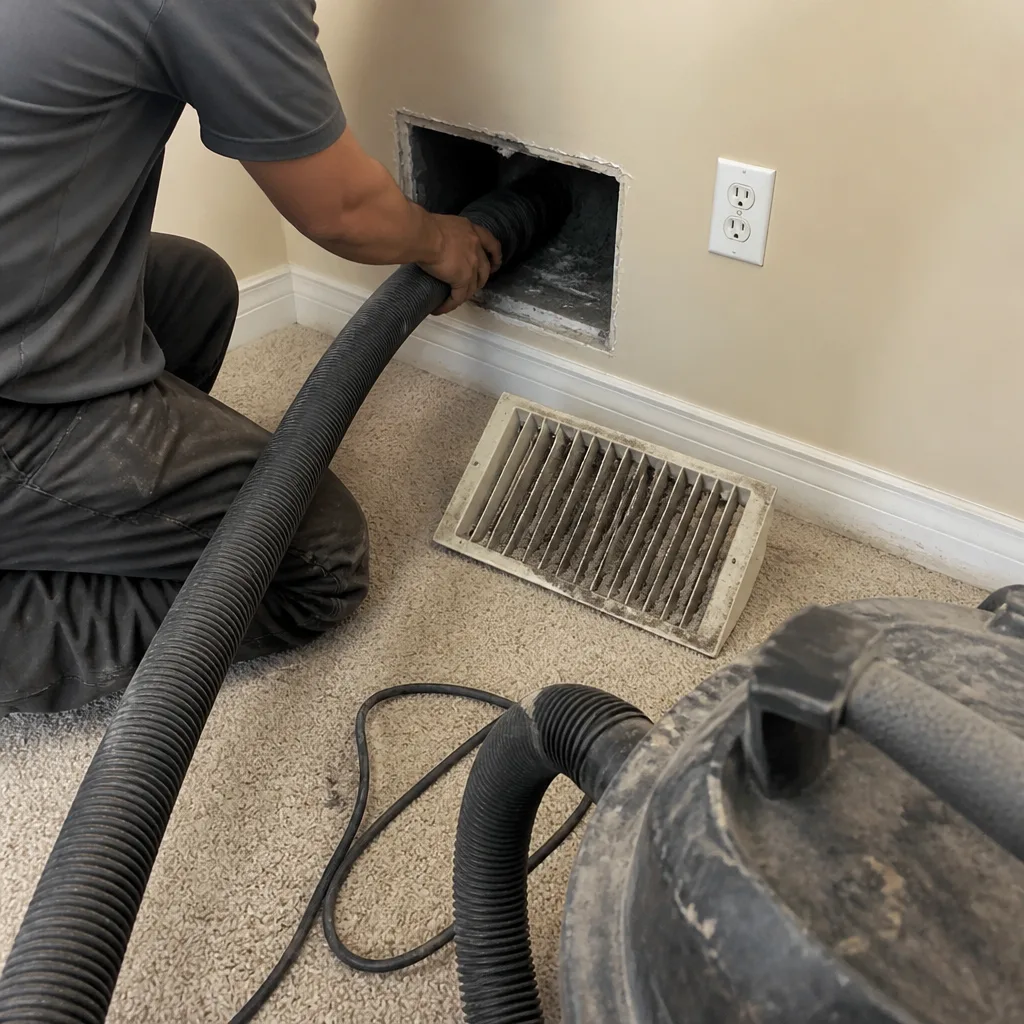 Before
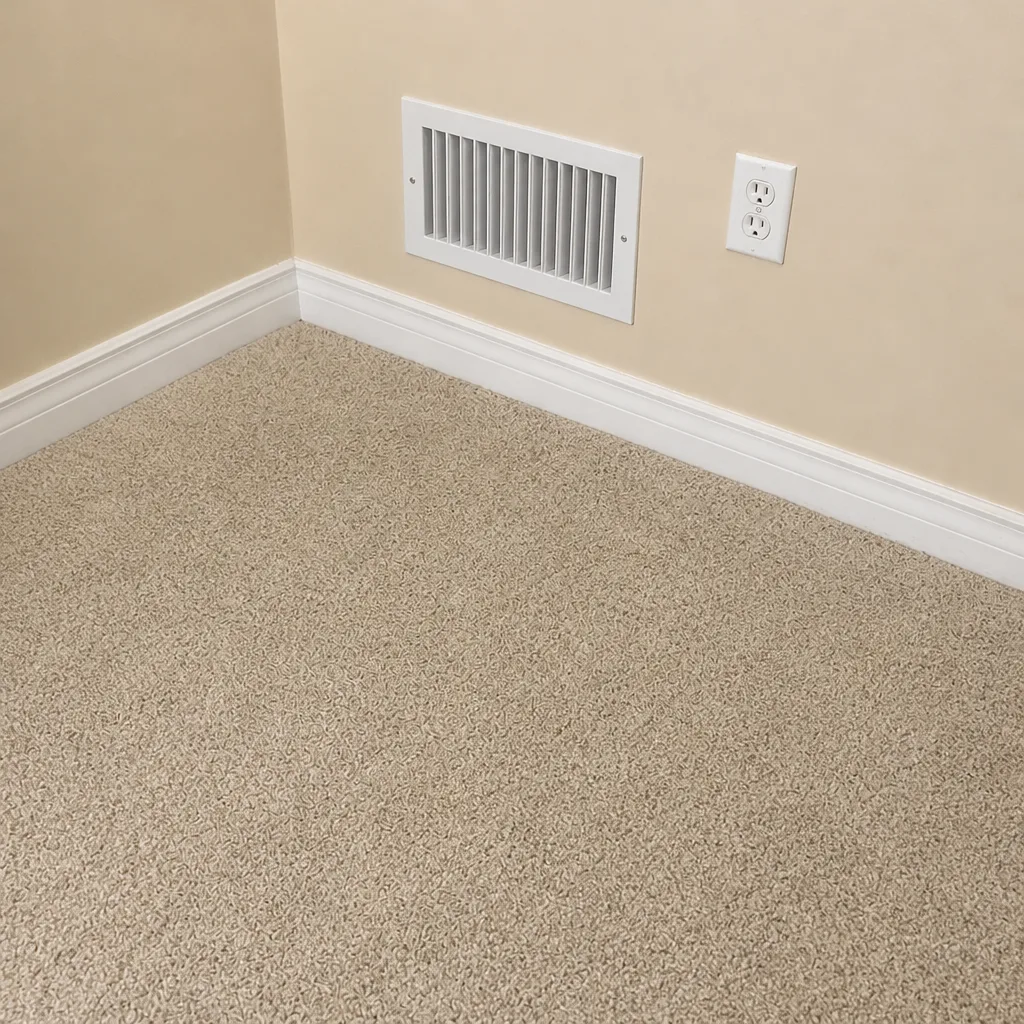 After
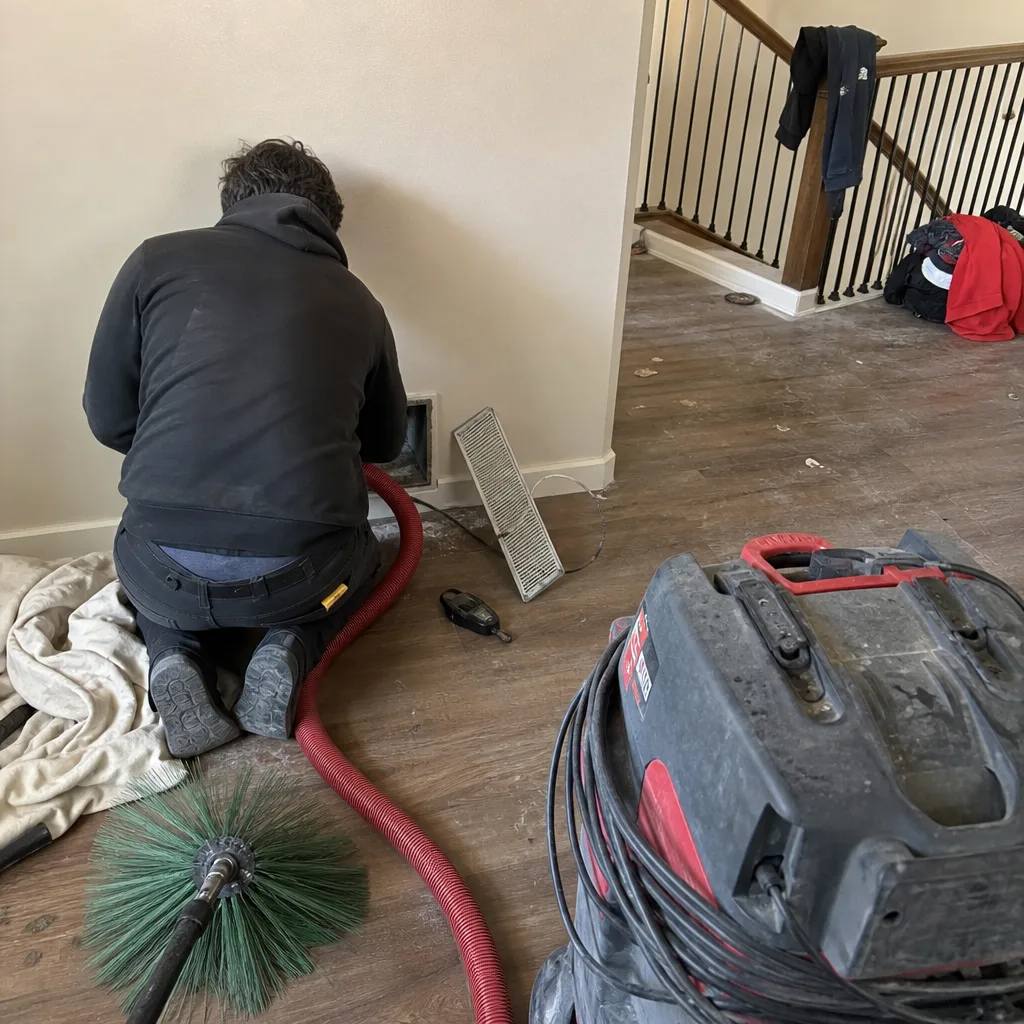 Before
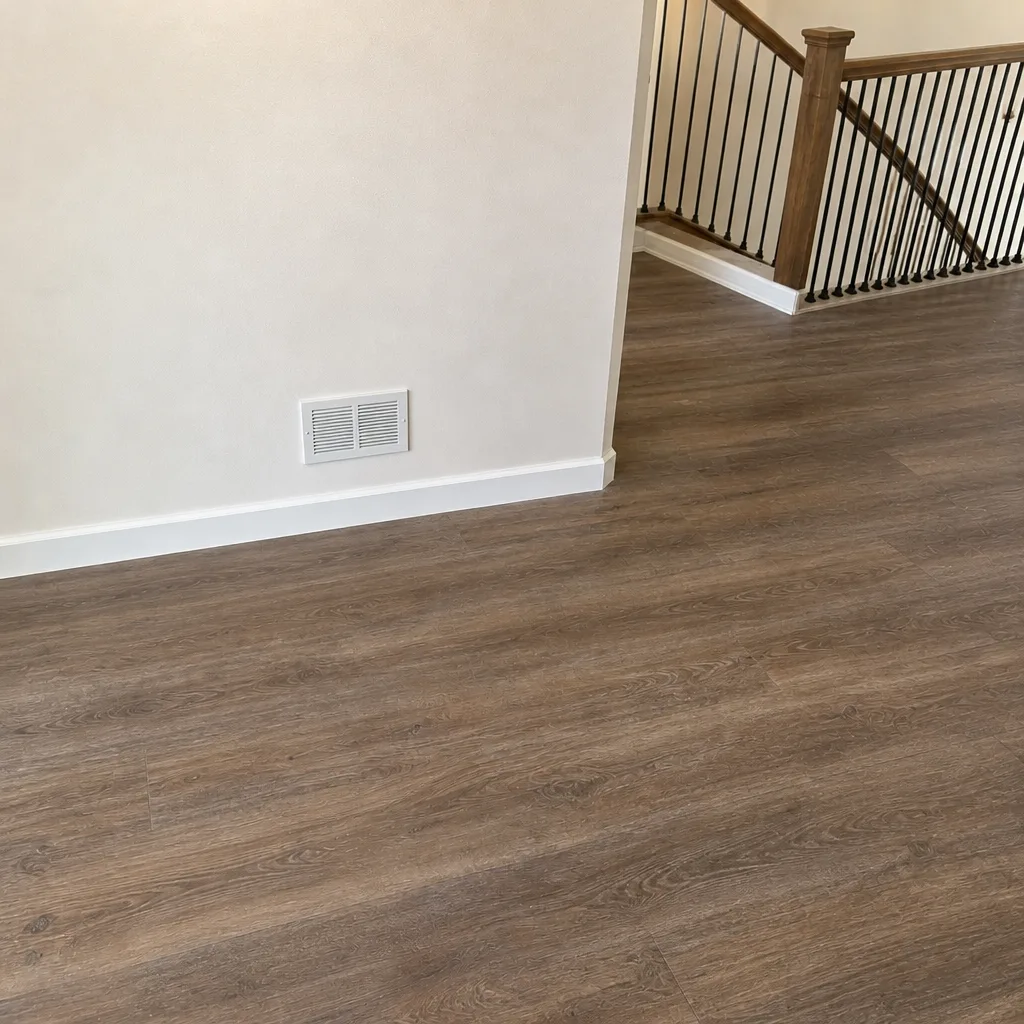 After
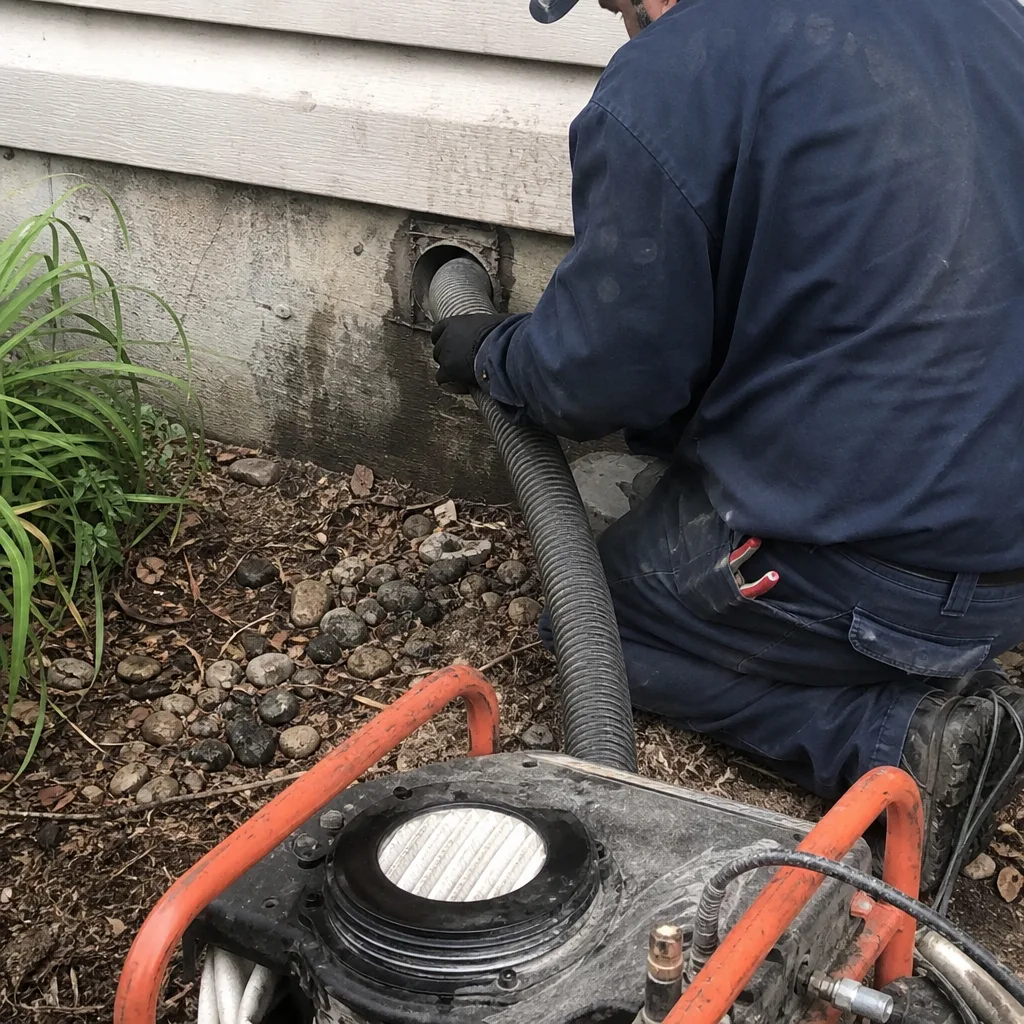 Before
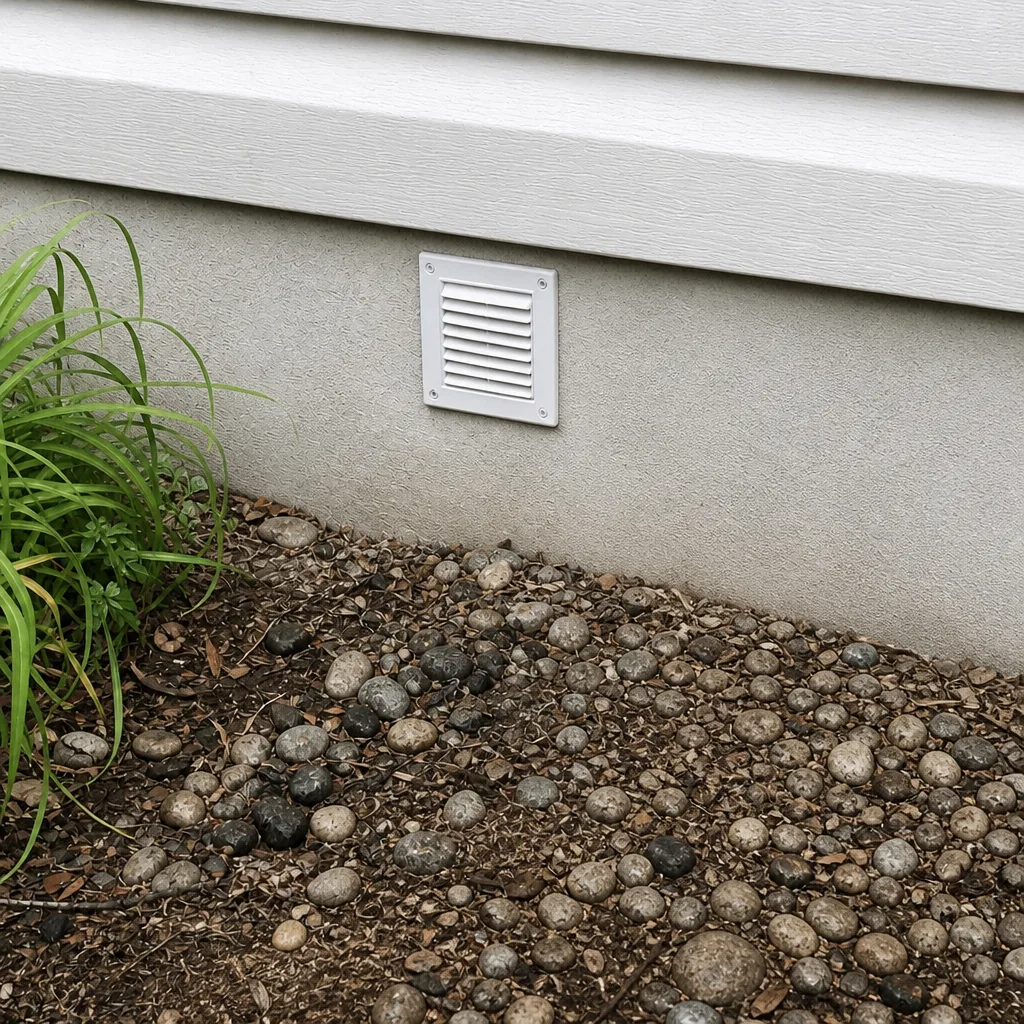 After
When to Call a Professional
Call when you have two or more of the quiet signals clustered together, when a room-temperature variance above 3°F hasn’t responded to moving furniture or opening a supply register, when your home was built in the fast-build era and has never had a branch-run inspection, or when the dryer takes an extra cycle. Treat any burning, exhaust, or sweet chemical odor as urgent. And if you’ve never had the ducts looked at, the assessment itself is the right first step: it tells you what to schedule and, just as importantly, what not to.
Our technicians have up to 8 years of experience reading these signals in homes across the Lehi area. Lehi Air Duct Cleaning offers free estimates in Lehi. Call (833) 513-8123. We answer 24/7. Fast dispatch from 7am to 7pm, Sunday through Friday.
Frequently Asked Questions
The clearest indicators are a musty odor only during the first minutes of startup, an accelerated filter loading pattern, dust settling within a day of wiping, and rooms of similar size running more than about 3°F apart. Two or more of those together warrant a professional assessment. Call (833) 513-8123 for a free estimate; we’ll tell you what the assessment shows.
It’s a sign the cleaning is already overdue. A dust puff at startup means debris has accumulated in the branch runs to a level that the airstream can lift, which takes months rather than days. A full-system cleaning brings it back to baseline.
Pricing is set per system by the written estimate, so it depends on the number of systems, the number of registers and returns, and whether repair or sealing is needed. It’s free to get an exact quote. Call (833) 513-8123 and we’ll confirm at the estimate.
Low quotes often use per-vent pricing that excludes the air handler and the return plenum, which are the dirtiest parts of most systems, and they rarely include repair or sealing. A quote that doesn’t cover the full air pathway from blower to vent leaves the accelerated filter loading to come back within a month or two.
It often does. Homes built during the fast-build subdivision years here often still carry construction drywall dust in the branch runs from installation, and that dust is finer and more abrasive than ordinary house dust. A visual check of one register boot usually reveals it, and a first assessment is worth scheduling if it’s never been done.
Yes, dryer vent cleaning is one of our five service categories and stands on its own as a fire-safety service. It’s commonly added to a duct cleaning visit. If your dryer takes a second cycle or the outside hood flap isn’t moving freely, that’s the signal to book it.
The Bottom Line
The signals that matter most aren’t dramatic. They’re incremental and specific: a musty odor that fades after startup, a filter loading faster than its packaging predicts, a two-room variance above 3°F, drywall dust still sitting in a branch run from construction. Read together, those signals tell you what kind of problem you’re dealing with and whether cleaning alone will fix it. The three odors in this guide separate a dirty duct problem from an HVAC concern you shouldn’t put off. And the assessment itself is the right first step. If anything on this list matches what you’ve noticed in your Lehi home, call (833) 513-8123 for a free estimate. We answer 24/7. Fast dispatch from 7am to 7pm, Sunday through Friday.
Written by the team at Lehi Air Duct Cleaning.