
Last updated November 25, 2026
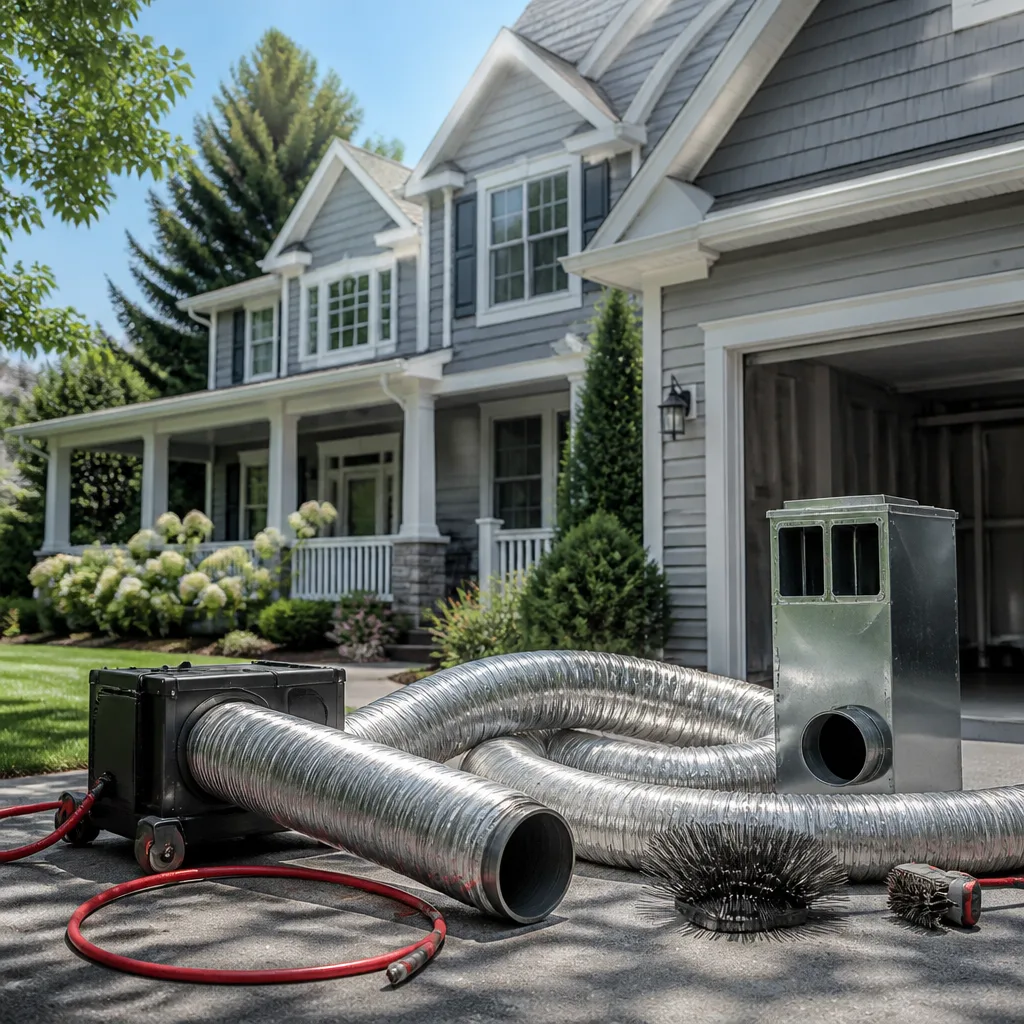 Whole-home duct cleaning
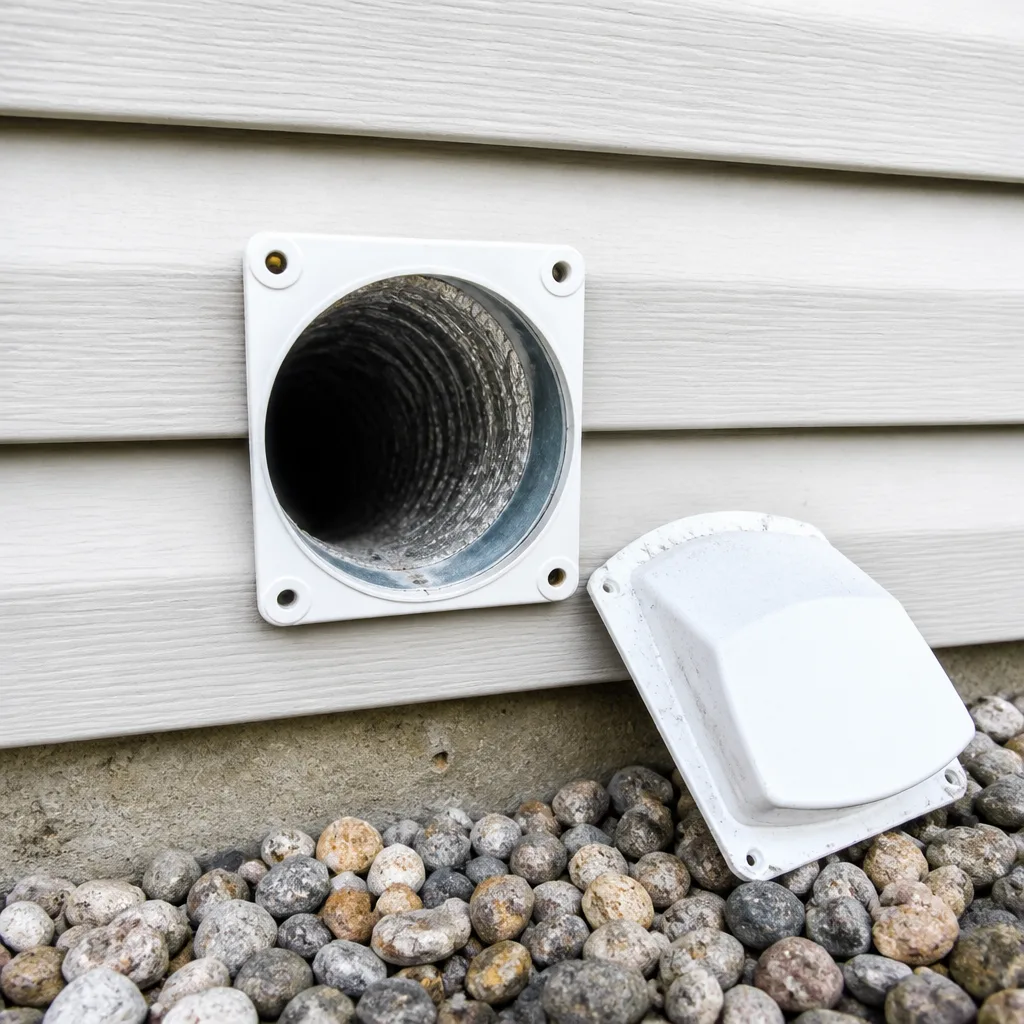 Dryer vent cleaning
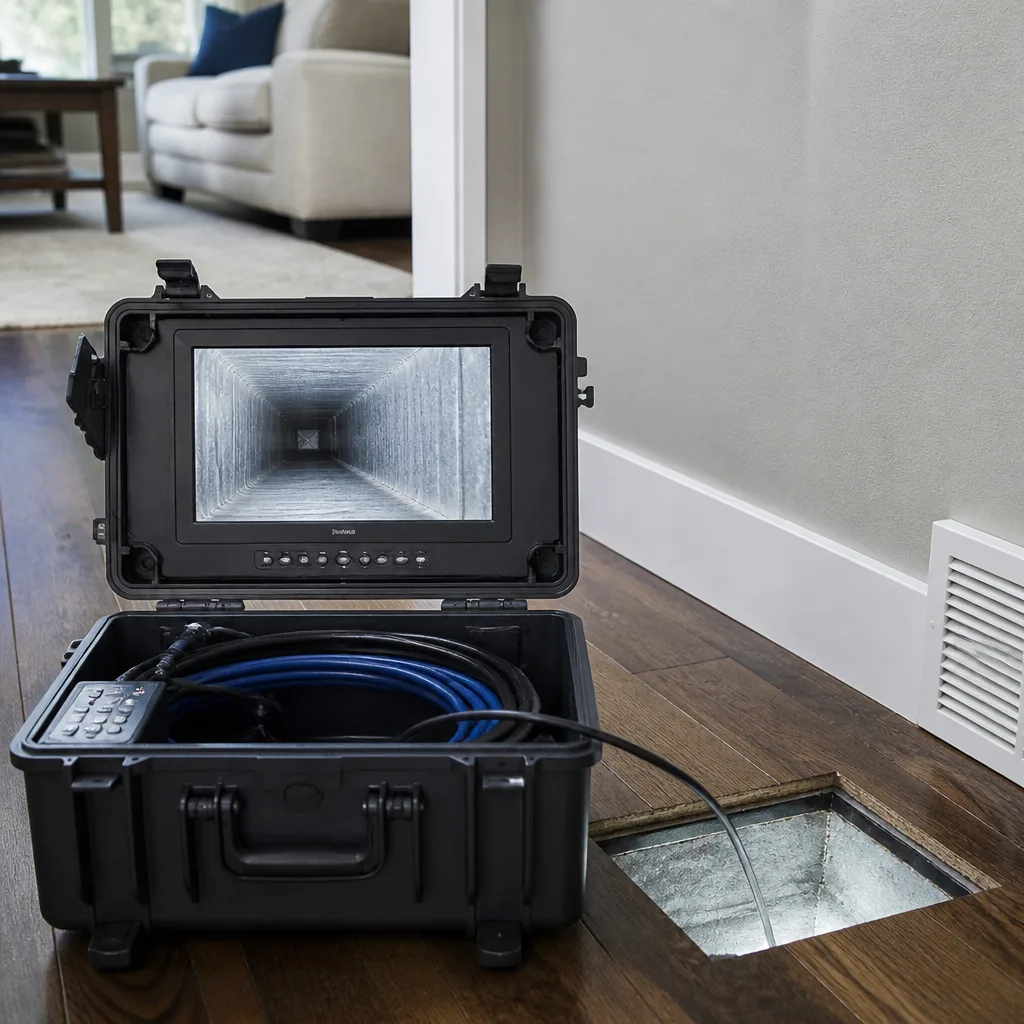 Camera inspection
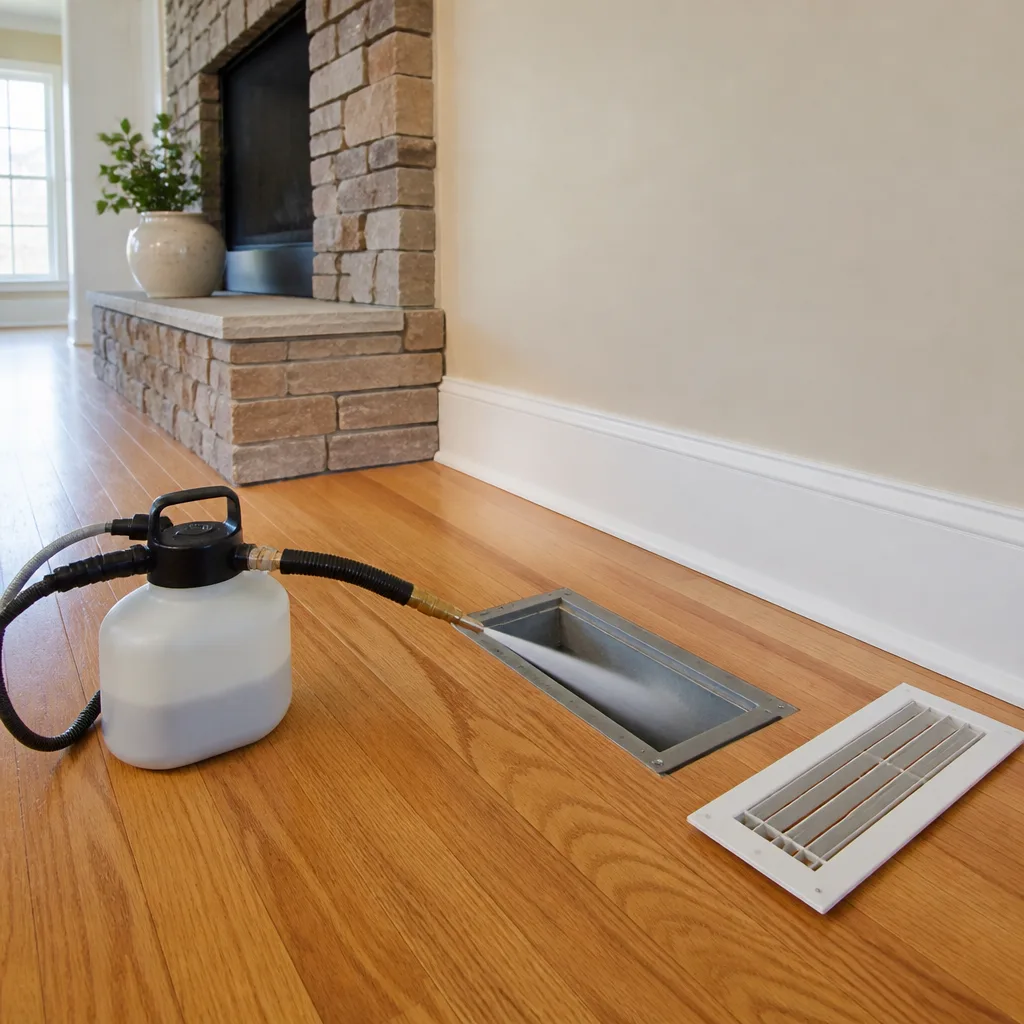 Sanitizing & deodorizing
Whole-system duct and dryer vent check with before-and-after photos - you see exactly what came out of your vents
That "$99 whole-house special" is a bait ad - the real number appears once they are in your hallway, or the "clean" is a shop-vac at the register. We photograph the inside of your ducts before and after instead.
Air Duct Cleaning Maintenance Checklist for Lehi Homeowners
Most homeowners think of duct cleaning as a one-time purchase: book it, watch the truck pull away, forget about it. That’s the wrong model, and it’s the reason so many homes in Lehi end up with ducts that look clean on the outside and quietly collect dust again within a season. A professionally cleaned system only stays clean if it’s maintained between cleanings. That maintenance is a rhythm of monthly checks, seasonal inspections, and multi-year milestones, and most of it you can do yourself in a few minutes a month. This guide gives you that rhythm, the same one a technician runs through, adapted so a Lehi homeowner can follow it without special tools.
Quick Answer
Air duct maintenance in a Lehi home comes down to three habits: checking the filter every month the wind blows and dust moves, inspecting registers and the air handler each season for moisture and re-contamination, and scheduling a full professional cleaning every 3 to 5 years regardless of how clean the vents look. Do the monthly and seasonal tasks yourself, and let a professional handle the deep mechanical cleaning from the blower to the vent when the markers say it’s due. That combination is what keeps a cleaning holding its value instead of degrading within months.
Styles & brands we work with
- Whole-home duct cleaning
- Dryer vent cleaning
- Camera inspection
- Sanitizing & deodorizing
Table of Contents
- Why Ducts Re-Contaminate So Fast
- The Monthly Filter Inspection Protocol
- Seasonal Register and Grille Inspection
- What to Check at the Air Handler Each Season
- The 3 to 5 Year Markers That Mean Cleaning Is Due
- How to Document Duct Condition with Dated Photos
- Dryer Vent Maintenance: The Separate Checklist
- When to Call a Professional
Why Ducts Re-Contaminate So Fast
Dust doesn’t appear out of nowhere. Every time air moves through a system, it carries particles with it. In Lehi, those particles come from a few specific sources that make local maintenance a bit different from a generic checklist. Spring wind across Utah Valley lifts fine dust that settles into return grilles and window sills, and construction dust from the steady building around Lehi drifts into homes and gets drawn into the return side of the system. Add pet hair, cooking grease vapor, and ordinary household shedding, and you have a constant feed of debris moving through your ductwork.
A cleaning removes what’s accumulated. It doesn’t stop new debris from entering. What governs whether the system stays clean is filtration and airflow behavior. Here’s what actually determines how fast a cleaned system loads back up:
- Filter condition and fit. A clogged or poorly fitted filter lets particles bypass and coat the ducts and blower.
- Return-side leakage. Gaps and loose seams on the return side draw dusty attic or garage air straight into the airstream.
- Duct integrity. A cracked joint, a disconnected run, or a collapsed flex section creates a pocket where dust settles and never leaves.
- Humidity at the coil and drain pan. Moisture is where mold starts, and mold feeds on settled dust.
- Occupant habits. Remodeling, opening windows on windy days, and pet dander all add load between cleanings.
That’s why a cleaning alone, without attention to filters, leaks, and moisture, leaves the job half done. Our approach is a full-system one: clean the mechanical debris, seal compromised ductwork, and address filtration so the system holds. You’ll get more from the pages on air duct cleaning and the rest of the service path, but the day-to-day rhythm starts below.
The Monthly Filter Inspection Protocol
Check the filter every month, not every season, and replace it whenever it’s visibly loaded or after any heavy dust event. In an area with Lehi’s spring wind and active construction, monthly is the interval that actually matches the local dust load. A filter that looks gray after a few weeks on a windy month is telling you something useful. A filter that’s dark and matted after a month is a sign the system is pulling in more than it should, and the return side deserves a closer look.
Here’s the monthly routine we recommend:
- Turn off the system at the thermostat before you touch the filter slot.
- Slide out the filter and hold it up to the light. If you can’t see light through it, it’s done.
- Note the date you installed it. Write it on the edge of the filter frame with a marker. This becomes your baseline for how fast your home loads a filter.
- Check the fit. The filter should seat with no visible gap around the edges. Air takes the path of least resistance, and a loose filter means unfiltered air goes around it.
- Replace with the correct size and MERV rating for your system. Most residential systems are designed around a mid-range rating. A filter rating too high for your blower can choke airflow, which is its own problem.
After a Lehi wind event or during nearby construction, check the filter within the same week rather than waiting for the calendar. Keep a spare filter on the shelf so you don’t run a loaded one while you wait to buy a replacement. That single habit prevents most of the re-contamination we see between scheduled cleanings.
Seasonal Register and Grille Inspection
Four times a year, walk the house and look at every supply register and return grille. You can do a meaningful inspection without removing anything. What you’re watching for is early re-contamination and signs the ducts underneath are compromised.
At each register, look for:
- Dust streaks on the face of the grille. Streaking from the slots outward means air is moving and leaving deposits. A light film is normal; a heavy, greasy coat is not.
- Dark staining around the perimeter. A shadow ring around where the grille meets the ceiling or wall often points to gap leakage, not just surface dust.
- Visible debris inside the slot. Shine a phone light into the register. Fine even dust is expected. Clumps, hairballs, or flakes suggest the run needs professional cleaning.
- Odor when the system runs. A musty or stale smell at a register is a moisture signal worth chasing down.
- Uneven airflow between rooms. One vent blowing noticeably weaker than others can mean a detached or crushed duct section.
Wipe the grille face with a damp cloth as part of the check, and note which registers load up fastest. Rooms near the return, or in homes that sit on wind-exposed lots around Lehi, tend to collect first. Keeping a running list tells you whether the system is behaving or drifting. When you’re ready for the deep mechanical cleaning, our team uses hvac cleaning equipment from Rotobrush and Nikro, plus Abatement Technologies negative-air containment, to pull dislodged debris out of the system rather than push it through the house.
What to Check at the Air Handler Each Season
Once a season, look at the air handler. You’re checking for moisture and cleanliness, not opening panels or touching the blower. If your equipment is in a sealed cabinet or you’re not comfortable removing a service door, leave the interior checks to a professional. The exterior checks are still useful and safe.
Here’s the seasonal inspection list:
- Find the condensate drain pan and drain line. Look for standing water in the pan. It should drain freely. Standing water is the precondition for mold growth, and mold is the reason a musty smell turns into a real problem.
- Check the drain line for clogs. A slow or backed-up drain line can spill into the pan and eventually into the cabinet. Clear debris or algae buildup or call for service.
- Look at the blower compartment through the service door, if it opens safely. Dust cake on the blower wheel and cabinet walls reduces efficiency and re-seeds the ducts. A visibly loaded blower means it’s time for professional cleaning.
- Inspect the filter slot and cabinet seams. Gaps at seams let unfiltered air in.
- Check for rust or water staining on the cabinet or nearby surfaces. This is a moisture red flag worth a technician’s look.
Moisture is the quiet enemy here. A pan that drains correctly and a blower compartment that stays dry is a system with a good chance of staying clean. Our HVAC cleaning work reaches the unit and blower, not just the visible duct runs, because that’s where a lot of the load actually lives. When moisture or a loaded blower shows up, that’s a signal to schedule service rather than wait for the next milestone.
The 3 to 5 Year Markers That Mean Cleaning Is Due
Even if the vents look clean, plan on a full professional cleaning every 3 to 5 years. Visual appearance is a poor gauge. The dust that matters has settled on the horizontal runs, in the plenum, and against the blower, places you can’t see from a register. For many Lehi homes, the local dust load pushes toward the shorter end of that range. Homes with pets, recent remodeling, or occupants with allergies should treat 3 years as the trigger; simpler, low-occupancy homes can stretch toward 5.
Independent of the calendar, treat any of these as a marker that cleaning is due now:
- A recent remodel or major construction nearby. Drywall dust and sawdust get pulled into the return side and coat the system.
- New occupants or a new-to-you home. You don’t know how the previous occupants maintained the system, so a baseline cleaning is sensible.
- Persistent musty odor that filter changes don’t clear.
- Visible dust blowing from registers shortly after a cleaning was supposed to have happened, or after a long gap.
- Allergy or respiratory symptoms that seem tied to being indoors, which is worth discussing with your doctor and a technician in parallel.
- A dryer that takes two cycles to dry a load, which points to a restricted dryer vent and is handled separately.
Cleaning works best when it’s paired with repair. If the ducts have leaks or disconnected runs, cleaning them and walking away is a wasted cleaning. Our technicians inspect for duct integrity issues during the job and handle repair and sealing in-house, so the system doesn’t need a second contractor afterward. That’s the difference between a clean system and a system that stays clean.
How to Document Duct Condition with Dated Photos
Keep a dated photo record of your duct system, and take a fresh set before and after every professional cleaning. This is the single most useful thing you can do for future contractor comparisons, and almost no homeowner does it. Photos establish a baseline, let you spot gradual change, and give any technician you talk to an honest starting point.
A simple photo log looks like this:
- Photograph each register with the grille in place, then with the grille off, at the same angle and distance each time.
- Note the date and the room on a card in the frame or in a note on your phone.
- Capture the filter before you replace it whenever it looks unusually loaded.
- Photograph the air handler exterior and the drain pan area, if accessible.
- Keep a folder labeled by year so the sequence is easy to review.
When a company cleans your ducts, ask for before-and-after photos of your own system. We take those photos as standard practice. They let you see exactly what was removed and from where, which is the honest answer to “did anything actually get done?” If a quote or a visit can’t show you dated photos of your own ducts, treat that as a reason to ask more questions.
Dryer Vent Maintenance: The Separate Checklist
Dryer vents need their own maintenance schedule, independent of the ductwork. They’re a leading cause of residential structure fires because they collect lint in a hot, enclosed path. A pure duct cleaner may skip the dryer vent entirely, and that leaves a safety gap in the home’s air and exhaust systems.
Run this checklist a few times a year and after any period of heavy laundry:
- Clean the lint screen before every load. That’s the baseline habit.
- Check the exterior vent flap. It should open freely when the dryer runs and sit closed when it’s off. A stuck flap or a bird’s nest blocks airflow.
- Feel the vent line after a load. It shouldn’t be hot to the touch; heat buildup signals a restriction.
- Watch drying times. A dryer that suddenly needs a second cycle is telling you the vent is restricted.
- Schedule a professional dryer vent cleaning when lint buildup is visible at the exterior or the vent run is long with bends.
Deep lint in a long, bent run is hard to remove without the right tools, so that part belongs with a professional. Treating the dryer vent as part of overall home-air maintenance rather than an afterthought is how you close the loop.
Common Mistakes to Avoid
- Cleaning once and assuming it’s done. A clean system needs filter changes and seasonal checks to hold its value, or it degrades within months.
- Waiting for visibly dirty vents. The dust that matters sits in runs and at the blower, out of sight. Go by the 3 to 5 year markers, not appearance.
- Upgrading to the highest filter rating without checking airflow. A filter that’s too restrictive for the blower can starve the system. Match the rating to the equipment.
- Ignoring the drain pan. A little standing water in the pan is a mold precondition and a sign to act before the smell shows up.
- Letting a cleaning happen without duct repair. Cleaning a leaking or disconnected system and walking away wastes the cleaning and re-seeds the problem.
- Skipping the dryer vent. It’s a separate fire-safety system that deserves its own cleaning interval.
- Not keeping photos. Without a dated baseline, you can’t tell whether a system is drifting toward a problem or holding steady.
In Lehi, the local dust load and steady construction make the first two mistakes especially common. Adopting the monthly and seasonal habits above is what prevents them.
See the difference
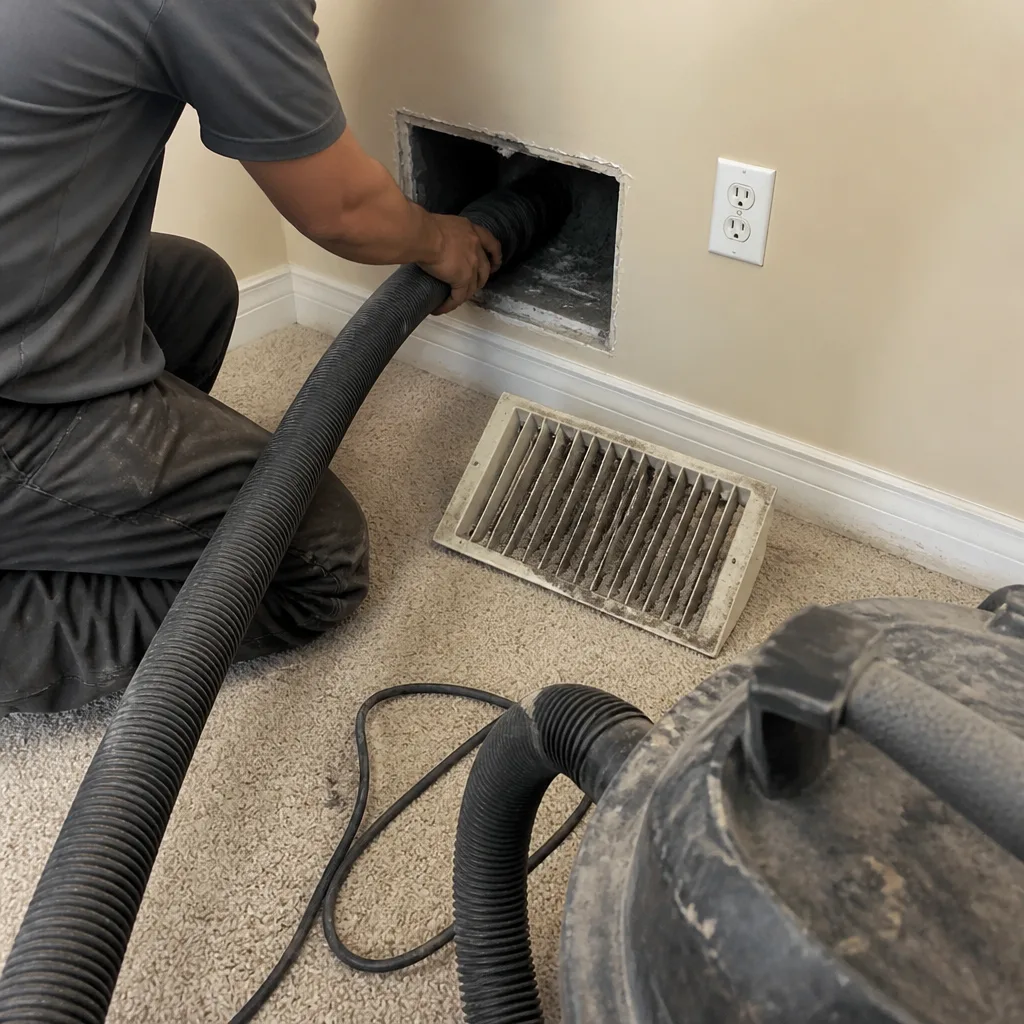 Before
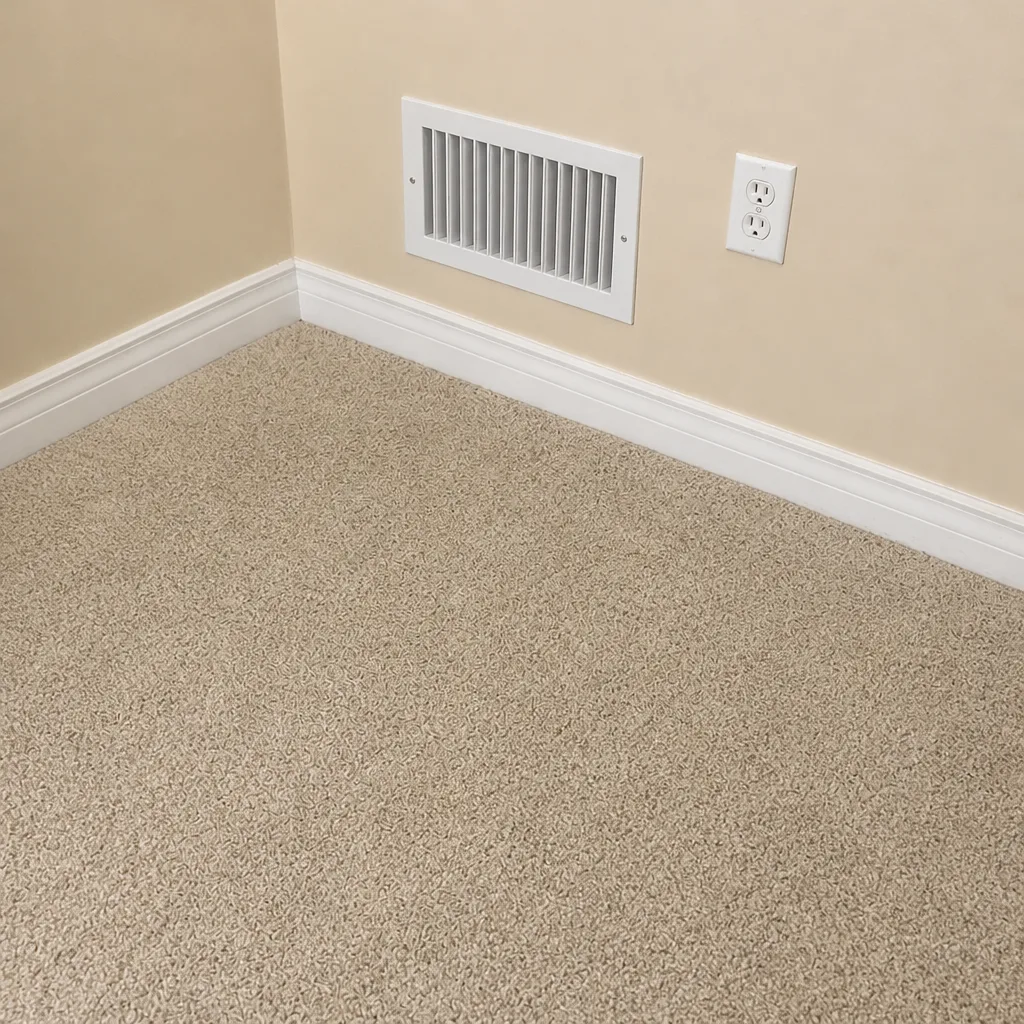 After
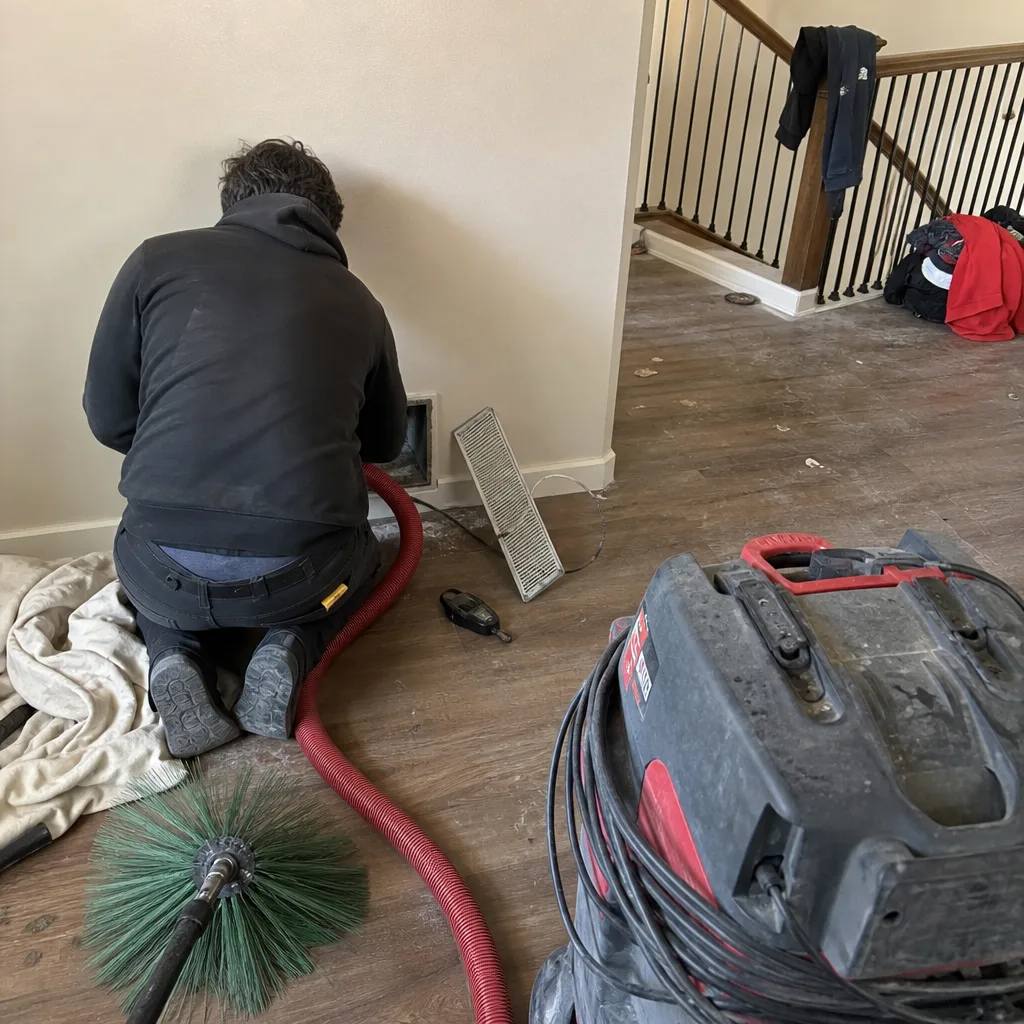 Before
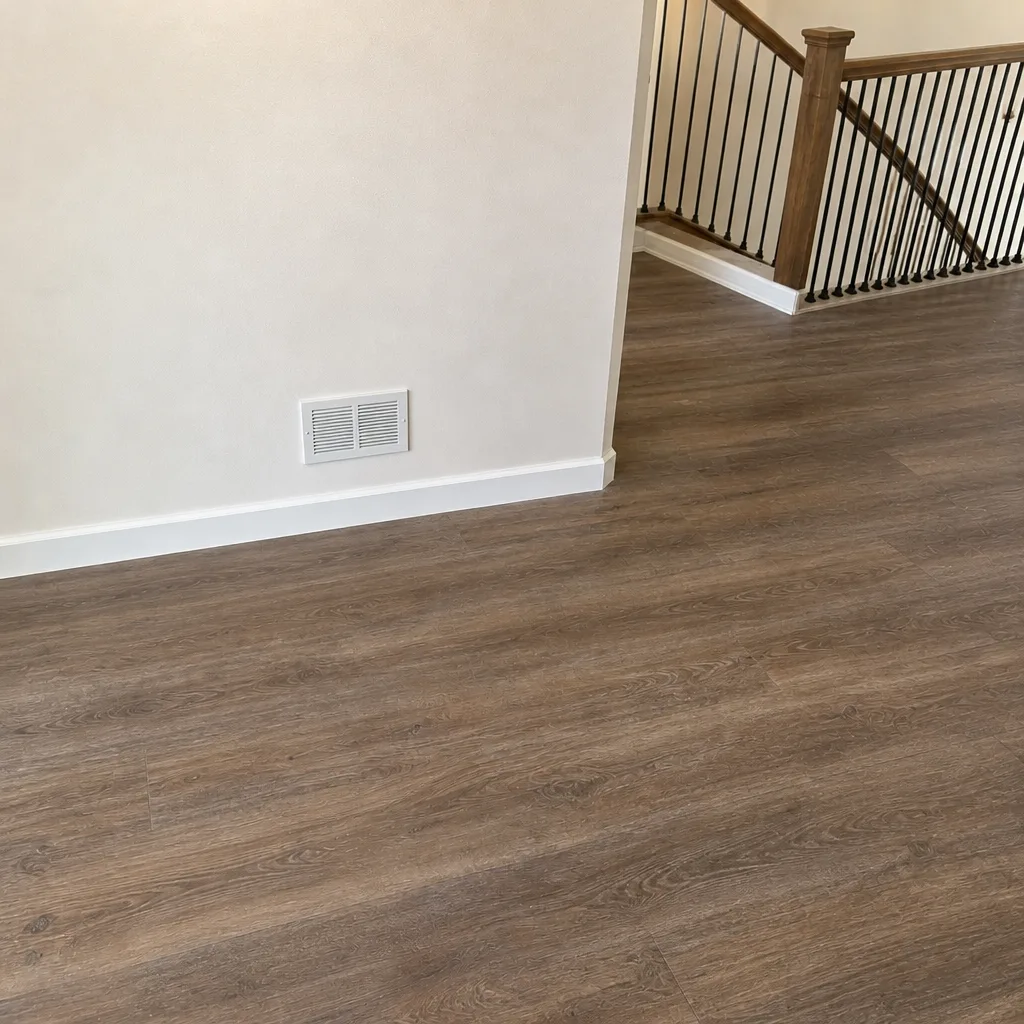 After
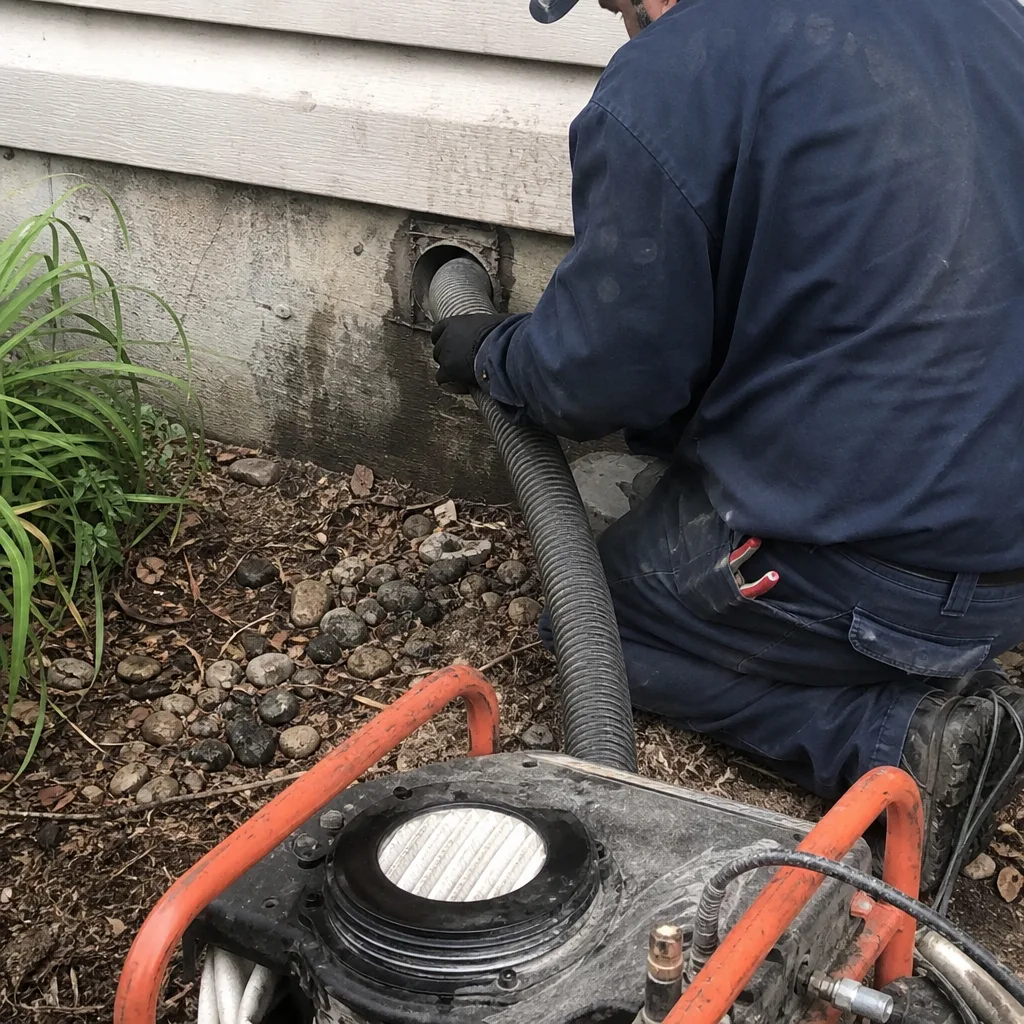 Before
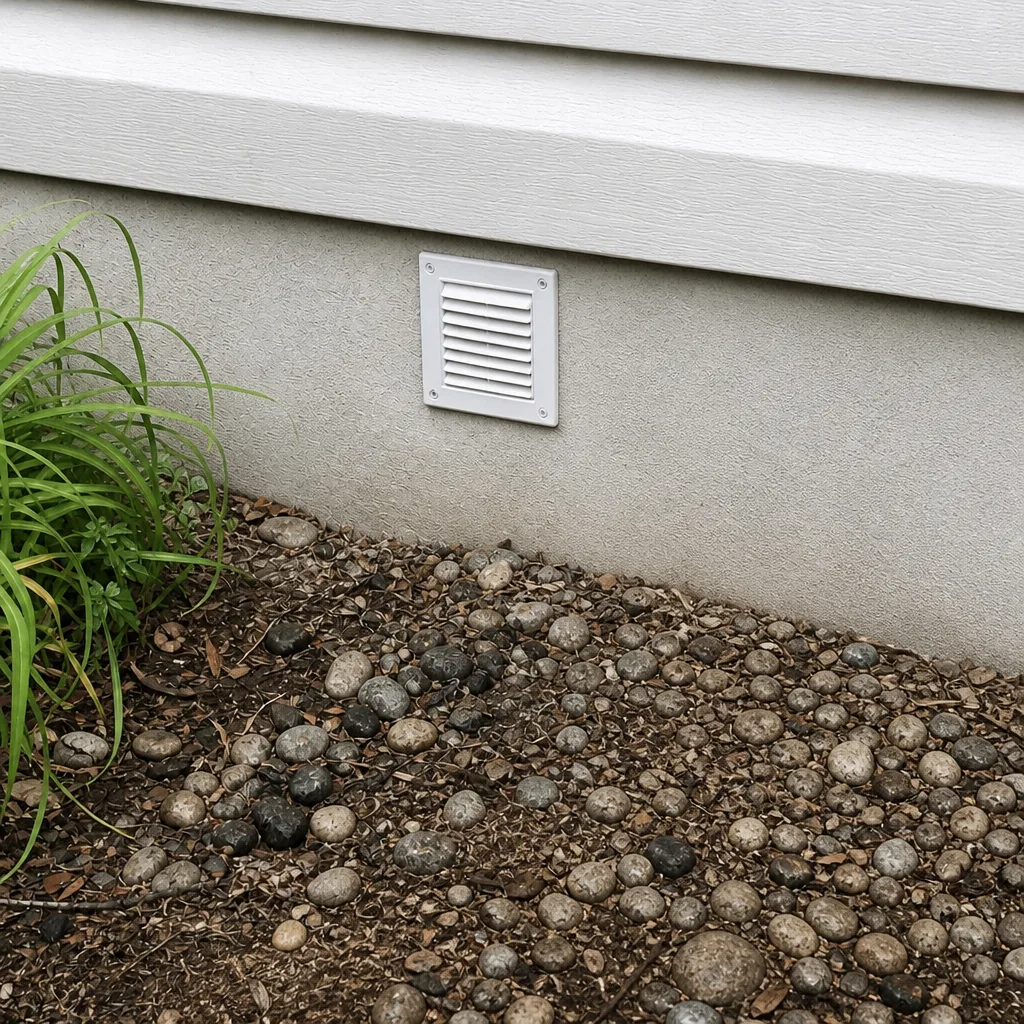 After
When to Call a Professional
Some maintenance is yours to do, and some of it needs the right tools and training. Call a professional when you see moisture in the drain pan or a musty odor that filter changes don’t clear, when the blower compartment is visibly loaded with dust, when airflow is uneven between rooms, or when it’s been 3 to 5 years since the last cleaning. Call sooner if you’ve remodeled, moved into a new-to-you home, or notice symptoms you suspect are linked to indoor air. Duct repair and sealing, deep blower and coil cleaning, and negative-air-contained debris removal are jobs for trained hands, not homeowner tools.
Lehi Air Duct Cleaning offers free estimates in Lehi and uses Rotobrush and Nikro equipment plus Abatement Technologies negative-air containment to clean from the blower to the vent. Call (833) 513-8123. We answer 24/7. Fast dispatch from 7am to 7pm, Sunday through Friday. We can also work with you on air quality systems from Honeywell and Aprilaire once the cleaning is done, so the next step on the checklist doesn’t mean another provider.
Frequently Asked Questions
Every 3 to 5 years is the working range, and homes with pets, recent remodeling, or allergy concerns should lean toward 3. The local dust load from wind and construction pushes many Lehi homes toward the shorter end. Call (833) 513-8123 for an honest read on your system – estimates are free.
Pricing is set per job by a written estimate, not by a single headline number, because system size, access, and whether duct repair is needed all affect the total. We give one price for the whole system, agreed before work starts, with before-and-after photos of your own ducts. Call (833) 513-8123 for an exact quote – estimates are free.
A low teaser price often becomes a much larger invoice once a technician is on site, or the cleaning covers only the surface. The honest comparison is a flat price per system, agreed up front, with photos of what was removed. Ask any provider for that before you book, and call (833) 513-8123 if you’d like ours.
Ask for before-and-after photos of your own system, taken during the job. We take those as standard, so you can see exactly what came out and from where. Dated photos also become your baseline for next time. Call (833) 513-8123 to schedule – estimates are free.
Filter changes help but don’t reach the settled dust in the runs, plenum, and blower. Ideally you do both: monthly filter checks keep new debris down, and a professional cleaning every 3 to 5 years removes what’s accumulated. Call (833) 513-8123 to set up a cleaning – estimates are free.
Dryer vents need their own cleaning interval, separate from the ducts, because lint in a hot exhaust path is a fire-safety concern. Check the exterior flap and drying times a few times a year and schedule a professional cleaning when lint is visible or the run is long. Call (833) 513-8123 – estimates are free.
The Bottom Line
Air duct maintenance isn’t a single annual event. It’s a rhythm: check the filter every month a Lehi wind or construction cycle moves dust, inspect registers and the air handler each season for moisture and early re-contamination, and schedule a full professional cleaning every 3 to 5 years regardless of how clean the vents look. Keep dated photos of your own system so you have a baseline for every comparison. Do the monthly and seasonal tasks yourself, and bring in professional equipment for the mechanical cleaning and any duct repair or sealing. That combination is what keeps a cleaning holding its value in a valley where the dust never really stops. Our technicians have up to 8 years of experience, and we run a full-system approach from the blower to the vent, including air quality systems from Honeywell and Aprilaire.
Ready to put the checklist to work? Call (833) 513-8123 for a free estimate from Lehi Air Duct Cleaning. We answer 24/7. Fast dispatch from 7am to 7pm, Sunday through Friday.
Written by the team at Lehi Air Duct Cleaning.