
Last updated November 25, 2026
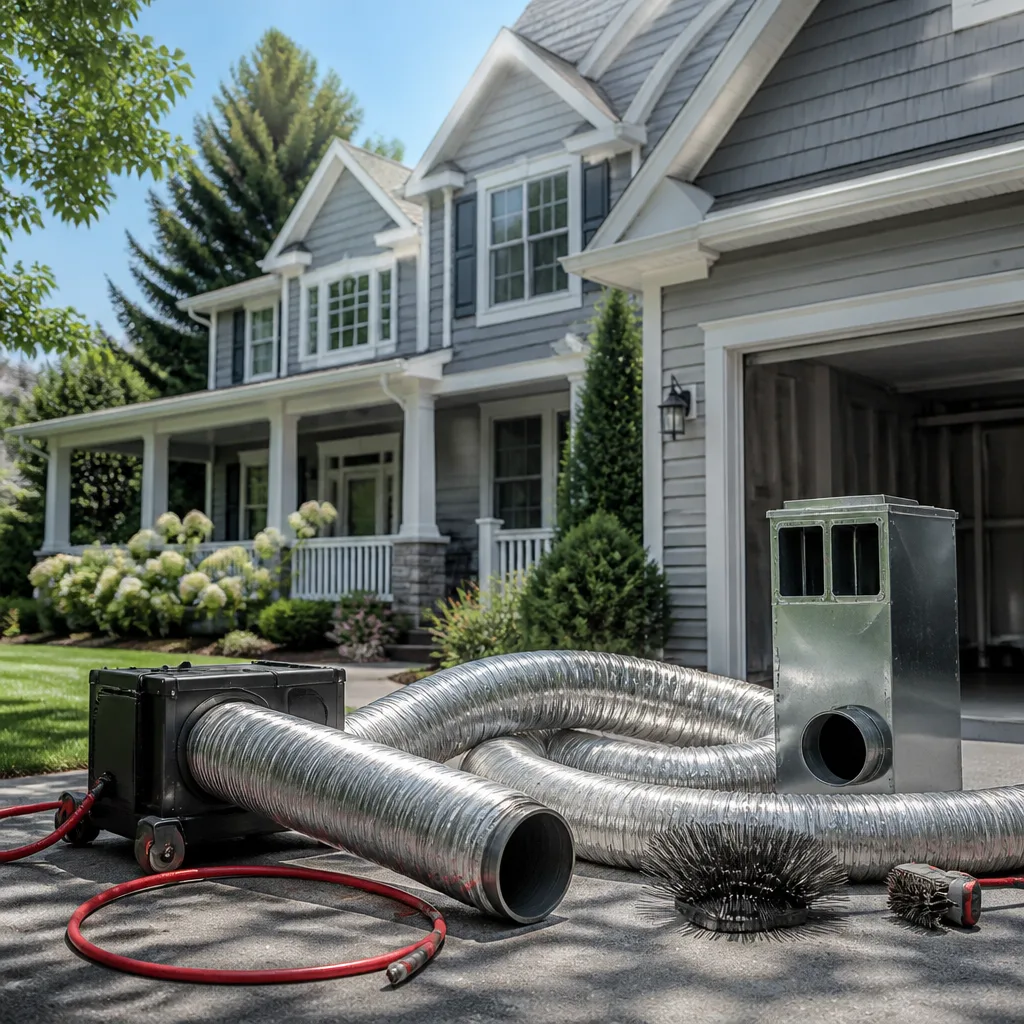 Whole-home duct cleaning
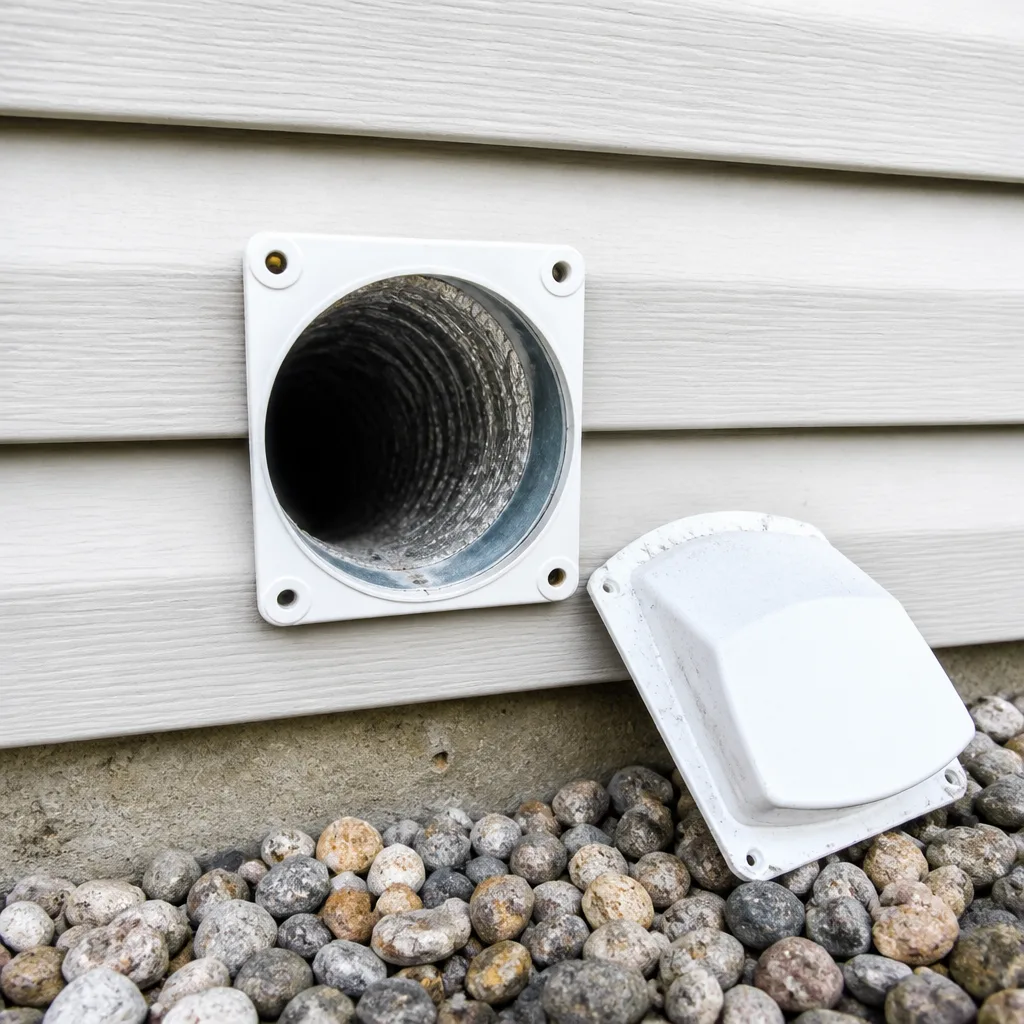 Dryer vent cleaning
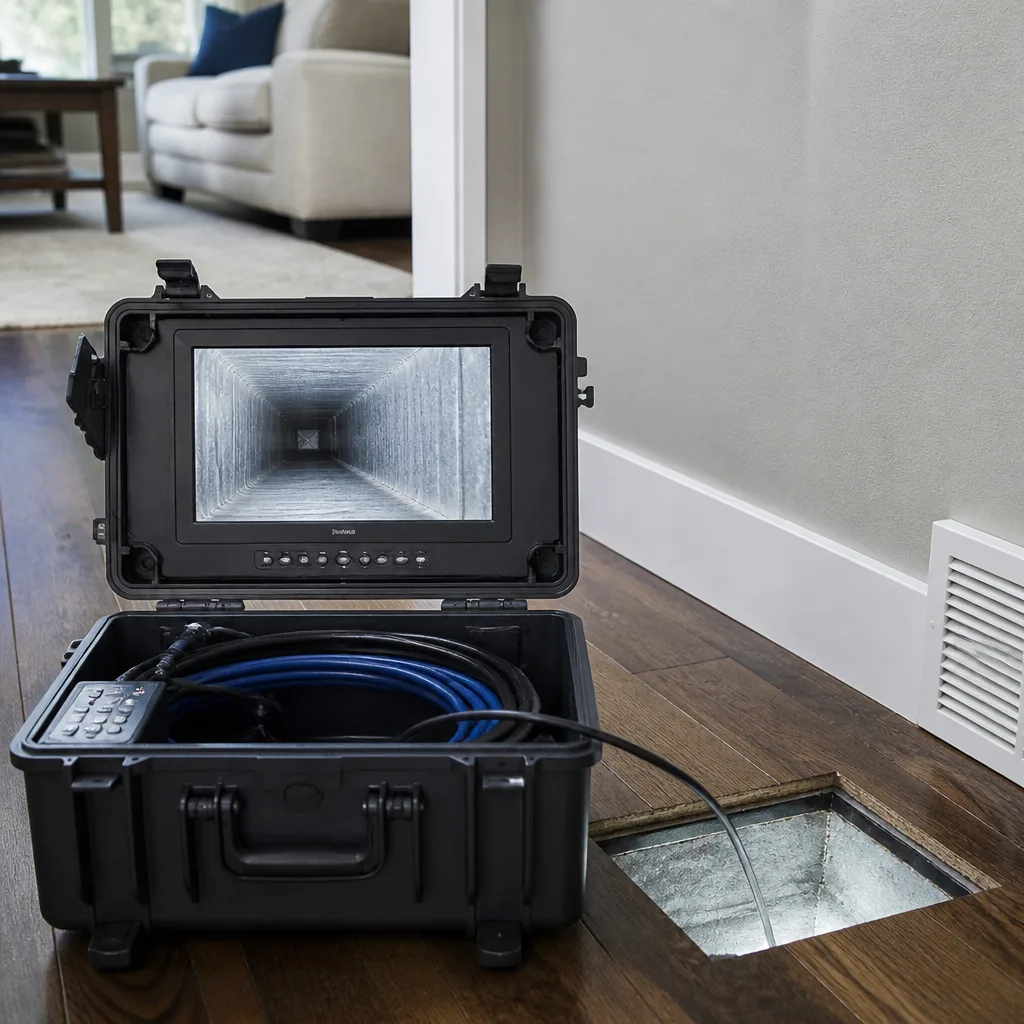 Camera inspection
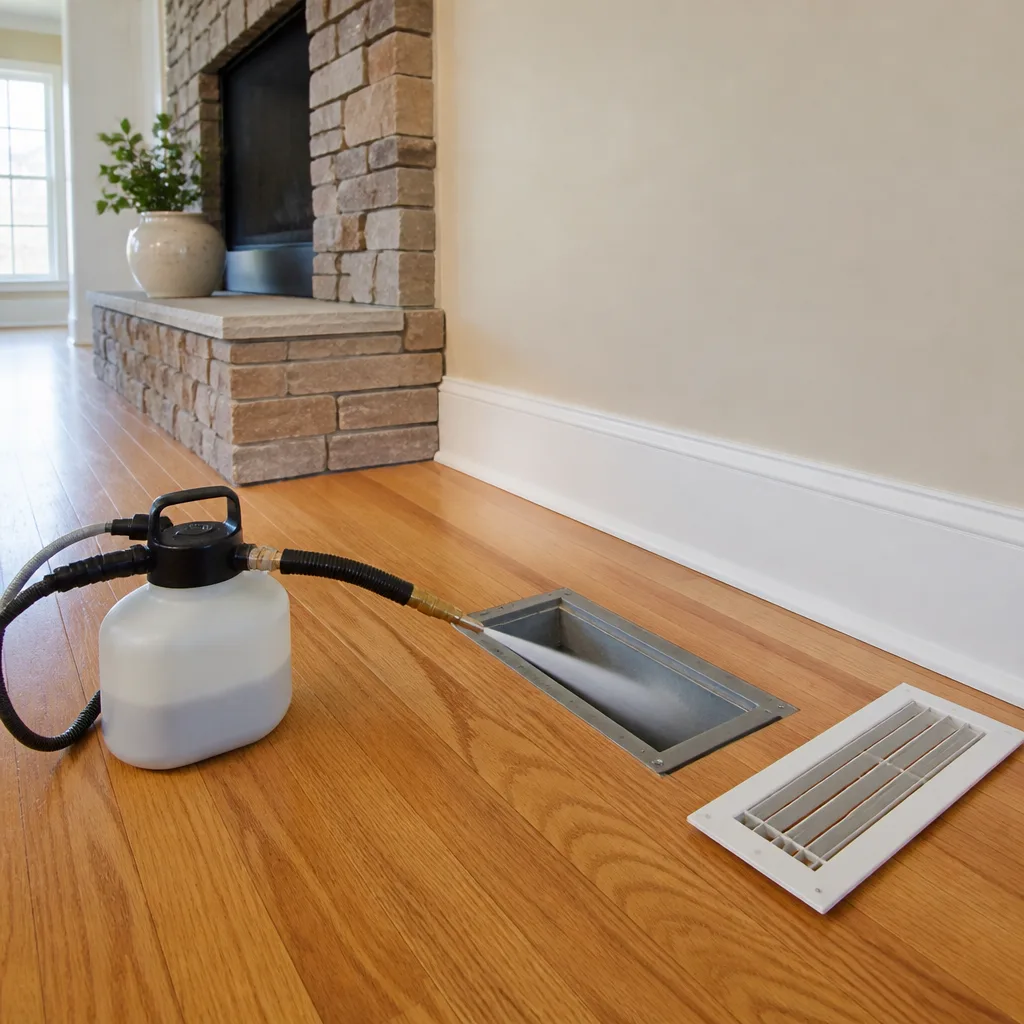 Sanitizing & deodorizing
Whole-system duct and dryer vent check with before-and-after photos - you see exactly what came out of your vents
That "$99 whole-house special" is a bait ad - the real number appears once they are in your hallway, or the "clean" is a shop-vac at the register. We photograph the inside of your ducts before and after instead.
Air Duct Cleaning Cost Breakdown: The Lehi Homeowner’s Reference for 2026
The national average air duct cleaning price is cited as $300 to $500, and that number is nearly useless for understanding what you should actually pay in Lehi in 2026. It’s built on surveys that mix legitimate full-system cleaning using established industry methods with dryer-vent-only visits and single-vacuum passes that never touch the blower or plenum. The range is real. The composition behind it isn’t. In this guide we pull the figure apart and rebuild it into something you can use: a line-item cost framework covering trunk cleaning, branch runs, blower wheel service, air handler cabinets, register boots, and optional dryer vent work, plus the Lehi-specific factors that legitimately move a quote up or down. By the end you’ll be able to compare quotes on equal terms instead of on price alone.
Styles & brands we work with
- Whole-home duct cleaning
- Dryer vent cleaning
- Camera inspection
- Sanitizing & deodorizing
Quick Answer
Air duct cleaning in Lehi typically runs $350 to $800 for a full-system job depending on home size, duct condition, and how many components are actually included. Quotes under $99 almost always exclude the blower wheel, plenum, and air handler, and are structured to be upsold on site. The written estimate you receive before work begins sets the final price, and a legitimate contractor will put the scope in writing so you can compare it line by line.
Table of Contents
- Why the National Average Doesn’t Help Lehi Homeowners
- A Line-Item Cost Breakdown for a Lehi Home
- What Legitimately Drives Up Cost in Lehi
- Why $99 Quotes Almost Always Involve an In-Home Upsell
- The Upsells to Expect, and Their Real Cost-Benefit Ratio
- Add-On Services Worth Paying For (And the Ones That Aren’t)
- How to Structure a Comparison Quote Request
- Common Mistakes to Avoid
- When to Call a Professional
- Frequently Asked Questions
Why the National Average Doesn’t Help Lehi Homeowners
The national figures bundle jobs that aren’t comparable. A survey-based average that includes a $79 dryer-vent-only visit alongside an $750 full-system cleaning with blower service produces a number in the middle that describes neither job. When you’re looking at a quote for your own house, the national average tells you nothing about whether the scope is appropriate or the price is fair.
The other problem is climate and construction. Lehi sits in a high-desert valley with a wide daily temperature swing and a long heating and cooling season. Furnaces and air handlers run a lot of hours here. That produces a volume of dust and debris that a mild coastal climate simply doesn’t generate in the same timeframe, and duct systems in Lehi homes often carry more load per year as a result. A national average built on jobs across every climate zone underweights what a Lehi home actually needs.
Construction history matters too. A large share of Lehi’s housing stock has been built or finished in the last two decades, which means many systems were installed with builder-grade flex duct. Flex duct has its own cleaning considerations, and systems over ten years old often show sagging, kinked runs, or loose connections that affect how a cleaning goes. When we look at a Lehi job, those are the factors we’re actually pricing. The national average doesn’t see any of them.
What we can tell you is that air duct cleaning in this market properly scoped and properly equipped lands in a predictable band. The rest of this guide breaks that band down so you can see exactly where the money goes.
A Line-Item Cost Breakdown for a Lehi Home
Here’s the framework we use to think about a full-system cleaning. These are typical estimated ranges for Lehi. Your written estimate is what sets the final price; the numbers below are your starting point for comparison.
- Main trunk cleaning: $75 to $150. The large run from the air handler or furnace into the house. Trunks collect the most debris by volume because everything passes through them, and they need sustained negative-air containment and mechanical agitation to clear properly.
- Branch runs (per linear foot): $2 to $4 per foot. Each branch serves one room and typically terminates at a register. Total length matters more than register count because a short run to a nearby room costs less to clean than a long one to a far bedroom.
- Blower wheel pull-and-clean: $100 to $200. The blower wheel is the fan inside the air handler that moves air through the whole system. Pulling it, cleaning it, and reinstalling it is one of the highest-value line items on the estimate because a dirty wheel degrades airflow and efficiency every hour the system runs.
- Air handler cabinet: $75 to $150. The interior of the cabinet around the blower and coil area. Dust and debris accumulate here and get redistributed through the house on every cycle if it’s left in place.
- Register boot cleaning: $10 to $25 per boot. The short transition between the ceiling or floor register and the branch run. These corrode, collect debris, and sometimes leak. Small line item, but they’re where what you see at the grille actually lives.
- Optional dryer vent cleaning: $100 to $200 standalone. We treat this as its own service. A clean dryer vent moves heat and lint out efficiently and is a fire-safety matter, not a duct-hygiene one, so it gets priced on its own.
Add those together for a typical Lehi home and you land in the $350 to $800 range. The variables that push you higher or lower within that band are covered next.
What Legitimately Drives Up Cost in Lehi
Several factors move a quote in this market. None of them is arbitrary. A contractor who doesn’t factor them in is either unaware of what the job involves or has priced a scope that skips something.
- Multi-story homes. A two-story Lehi home has more duct runs, more registers, more branch footage, and a longer air handler-to-furthest-register distance. All of that adds cleaning time, reach, and equipment setup. A quote for a two-story house should look different from one for a single level of the same square footage.
- Homes over 2,800 square feet. Above that threshold you’re typically at or past 15 to 20 registers and a correspondingly longer trunk and branch network. More length, more boots, more time. Expect the number to move accordingly.
- Original builder flex duct over 10 years old. Flex duct that’s been in place for a decade or more often has kinks, sags, or partially separated joints that reduce airflow and trap debris. Cleaning it is more involved, and the contractor may need to repair or reseal compromised sections for the cleaning to actually be effective. That repair work is a separate cost from cleaning.
- Systems that have never been cleaned. A first-time cleaning in a Lehi home that’s been running for fifteen years is more work than a maintenance cleaning on a system cleaned three years ago. Debris volume, compaction, and blowback all increase.
- Access difficulty. Tight mechanical closets, ducts running through finished ceilings, and registers in awkward spots all stretch the job. None of this comes up on a phone quote unless you bring it up. On-site estimates catch it.
If you’re also looking at your furnace or air handler interior, HVAC cleaning is a related service that addresses the equipment itself rather than just the ductwork, and it’s worth pricing together so you see the whole scope at once.
Why $99 Quotes Almost Always Involve an In-Home Upsell
For $99 to cover a real full-system cleaning, the job would have to be done in under an hour with a single tool and no containment. That doesn’t describe a legitimate cleaning. It describes a visit that cleans the visible parts, leaves the blower and plenum untouched, and ends with a technician in your home recommending additional services.
The upsell structure is predictable. In our experience, a low-priced visit typically ends with the technician identifying one or more of the following as “urgently needed”:
- An aerosol sanitizer application for the whole system
- A UV light installation in the air handler or plenum
- A filter upgrade or high-efficiency filter replacement
- Duct sealing or repair, frequently flagged on-site and priced separately
- A follow-up visit to finish the work the first pass didn’t cover
None of those services is inherently bad. Some are genuinely worth buying. The problem is the sequence. A low teaser price creates an in-home context where the homeowner is likely to say yes to add-ons they didn’t research and can’t easily compare. The $99 quote becomes a $700 invoice, and you have no benchmark for whether the add-ons were worth it.
The fix is straightforward. Ask for a written, itemized estimate before anyone comes out, and ask specifically whether the blower wheel, plenum, and air handler cabinet are included. A contractor confident in the scope will put it in writing.
The Upsells to Expect, and Their Real Cost-Benefit Ratio
Not every add-on is a bad idea. Some address real problems. The trick is knowing which ones.
- Aerosol sanitizer ($75 to $150): Marginal return on a dry system. Sanitizing agents need contact time and moisture to work, and once the ducts are cleaned and dry, the sanitizer mostly settles on surfaces that are already clean. It’s not harmful, but on a well-cleaned system it’s closer to reassurance than a functional improvement. Worth considering only when there’s a documented microbial issue, and never as a default add-on.
- UV light installation ($200 to $400): Worth it in specific cases. A UV light in the air handler or plenum can help manage microbial growth on the coil, and it’s a real category of indoor air quality equipment. But it doesn’t clean ducts, and it’s not a substitute for cleaning. If your concern is ongoing coil hygiene, it’s a reasonable investment. If your concern is “dirty ducts,” UV light doesn’t address that.
- Filter upgrade ($30 to $100): Generally worth it, with a caveat. A higher-MERV filter traps more particles, and it’s a straightforward improvement to your system’s ability to keep air clean after cleaning. The caveat is that a filter too restrictive for your blower can reduce airflow, so the right MERV depends on your equipment. Ask before upgrading blindly. We work with Honeywell and Aprilaire filtration products, and matching the filter to the system matters more than the MERV number on the box.
- Duct sealing or repair ($150 to $600 depending on scope): Often the most valuable add-on a contractor can find. Leaking ducts waste conditioned air and pull unfiltered air into the system. Repairing them after cleaning is the difference between a system that stays clean and one that gets dirty again in short order. If your technician flags leaks, take it seriously.
The pattern to watch: an upsell you didn’t ask for and can’t verify is a red flag. An upsell tied to a specific finding the technician can show you (a photo, a pressure reading, a visible leak) is worth evaluating on its merits. That’s why we take before-and-after photos on every job. If someone tells you something needs fixing, ask to see it.
Add-On Services Worth Paying For (And the Ones That Aren’t)
Pulling the add-ons into two buckets makes the decision easier.
Worth paying for:
- Blower wheel cleaning. Highest-value line item on most estimates. A dirty blower wheel is a real efficiency drag and it re-contaminates the system with every cycle if left alone.
- Duct repair and sealing. If leaks are found, fixing them preserves the cleaning you just paid for. We perform this in-house, so it doesn’t turn into a second contractor and a second appointment.
- Dryer vent cleaning. A separate fire-safety service that many pure duct cleaners skip. If your dryer is taking longer to dry or your vent run is long, this is worth scheduling. dryer vent cleaning is priced on its own, so ask for it as a separate line item.
- Mold remediation verification. If cleaning revealed visible growth on the coil or cabinet interior, verifying the extent and addressing the moisture source is worth doing. Verification without a source fix is incomplete.
Marginal return:
- Default aerosol sanitizer on a dry system. Low functional value after a thorough cleaning, as noted above.
- Whole-system fogging sold as routine maintenance. Adds cost without an ongoing benefit unless there’s a specific issue being treated.
- Extended duct warranties sold on the spot. Ask what specifically is covered and what triggers a claim before saying yes.
The honest framing: the add-ons that address specific, verifiable problems are worth the money. The ones sold as general improvement without evidence are usually noise.
How to Structure a Comparison Quote Request
Most homeowners get three quotes on three different scopes and end up comparing the totals, which tells them nothing. The fix is to control the scope yourself. Here’s how to run a fair comparison.
- Write down your home’s specs first. Square footage, number of stories, number of registers, age of the system, and whether the ductwork is rigid, flex, or a mix. Every contractor needs this to price the same job, and giving it upfront prevents one bidder from pricing a smaller scope.
- Specify the components in writing. In your request, ask each contractor to price these separately: main trunk, branch runs (linear footage), blower wheel pull-and-clean, air handler cabinet, and register boots. If any contractor can’t or won’t itemize a component, that’s information.
- Ask about equipment. A legitimate contractor uses professional-grade equipment. Ask specifically what they use for mechanical cleaning and what they use for containment. Rotobrush and Nikro are professional-grade systems; Abatement Technologies negative-air equipment is used to capture dislodged debris rather than redistribute it through the house. If the answer is “a big shop vac,” you’ve learned the scope of the job.
- Request the estimate in writing before the visit. A contractor who’ll give you a written range based on your specs is a contractor you can compare. A contractor who only quotes on site is a contractor who quotes after seeing whether you’ll say yes.
- Ask about repair capability. If cleaning reveals leaks or damaged ductwork, can the contractor repair it in-house, or will you need a second company? A cleaning that leaves a known leak in place is half a job.
- Compare the line items, not the totals. Build a simple three-column sheet with each component across the top and each contractor down the side. The lowest total is only meaningful when the rows match.
This is the structure we work from when we quote a Lehi home, and it’s the structure any contractor who’s serious about scope should be comfortable with. If you want the full picture of what a proper cleaning involves on the duct side, the Lehi Air Duct Cleaning overview walks through the phases from blower to vent.
Common Mistakes to Avoid
- Choosing on the lowest total without matching scope. A $99 quote and an $800 quote aren’t the same job. Look at the line items before the total.
- Not asking whether the blower wheel is included. In our experience this is the most commonly omitted component in low-priced quotes. It’s also one of the highest-value items on the estimate.
- Assuming a coupon price is the final price. The written estimate is the price. If a contractor won’t put it in writing before arriving, expect the invoice to be larger than the quote.
- Skipping the repair conversation. If cleaning reveals leaks or damaged flex runs, fixing them is part of getting a clean system, not an optional extra. A cleaning that ignores compromised ductwork gets undone by the next few months of normal operation.
- Buying an aerosol sanitizer as a substitute for cleaning. Sanitizer doesn’t remove debris. If the ducts are dirty, sanitizer treats the surface and leaves the load in place.
- Not budgeting for dryer vent cleaning as a separate line. It’s a fire-safety service, not a duct-cleaning add-on, and it’s worth scheduling on its own schedule.
- Waiting for a visible symptom before booking. If you can see dust at the registers, the system has been running that way longer than you think. A first-time cleaning is more work than a maintenance cleaning, and the price reflects that.
When to Call a Professional
Some situations call for a professional assessment rather than more research. If anyone in the household has allergies or asthma that seem worse indoors, if you have visible dust at the registers or dark staining around grilles, if you’ve just moved into a Lehi home and don’t know the system’s cleaning history, or if your system has been running for years without service, a professional cleaning is worth pricing. The same goes for a dryer vent that’s never been cleaned, especially if the vent run is long or the dryer takes more than one cycle to dry a load. Duct cleaning is not a DIY job: the equipment needed to agitate and contain debris properly is professional-grade, and a shop vac doesn’t get the job done. Lehi Air Duct Cleaning offers free estimates in Lehi – call (833) 513-8123. We answer 24/7. Fast dispatch from 7am to 7pm, Sunday through Friday. The estimate is free and the written estimate sets the final price.
Frequently Asked Questions
A full-system air duct cleaning in Lehi typically runs $350 to $800 depending on home size, duct condition, and which components are included. Quotes under $99 usually exclude the blower wheel, plenum, and air handler. Call (833) 513-8123 for an exact quote – estimates are free.
Cheap quotes are almost always a smaller scope, not a better deal. They typically skip the blower wheel and air handler, use a single vacuum rather than negative-air containment, and are structured to end in an in-home upsell. Ask what’s included in writing before comparing totals. Call (833) 513-8123 for a line-item estimate you can compare.
Ask for before-and-after photos of your own system, and ask to see the blower wheel before and after cleaning. A contractor confident in the scope will show you the work. If no one offers photos, ask for them. Call (833) 513-8123 to schedule a free estimate.
Most homes in Lehi do well with cleaning every three to five years, and homes with pets or allergy sufferers may benefit from more frequent service. A first-time cleaning on a system that’s never been serviced is a bigger job than a maintenance cleaning and priced accordingly. Call (833) 513-8123 to talk through your system’s history.
Yes. The blower wheel moves all the air through your system, and a coated wheel degrades airflow and efficiency on every cycle. It’s one of the highest-value line items on a proper estimate, and it’s one of the components most often left out of low-priced quotes. Call (833) 513-8123 for an estimate that itemizes it.
If leaks are found, yes. Cleaning a leaky system leaves it exposed to unfiltered air and debris, so the cleaning gets undone faster. Repairing and sealing the system preserves the cleaning and improves efficiency. If your cleaning reveals leaks, ask about repair before the job wraps. Call (833) 513-8123 for a free estimate.
The Bottom Line
Air duct cleaning in Lehi in 2026 is a $350 to $800 job when it’s done as a full-system cleaning, and a $99 to $250 job when the blower wheel, plenum, and air handler are left out. The difference isn’t profit margin. It’s scope, equipment, and whether the components that actually matter are on the estimate. Get a written, itemized quote before anyone arrives. Ask what’s included and what isn’t. Compare line items, not totals. Ask for before-and-after photos of your own system. And treat the written estimate as the price the job will actually cost. That’s the whole framework, and it’s the one that protects you from the bait-and-switch model driving the $99 quote in your mailbox.
If you want a scope you can compare on equal terms, we’ll provide it. Call (833) 513-8123 for a free estimate. We answer 24/7. Fast dispatch from 7am to 7pm, Sunday through Friday.
Written by the team at Lehi Air Duct Cleaning.
See the difference
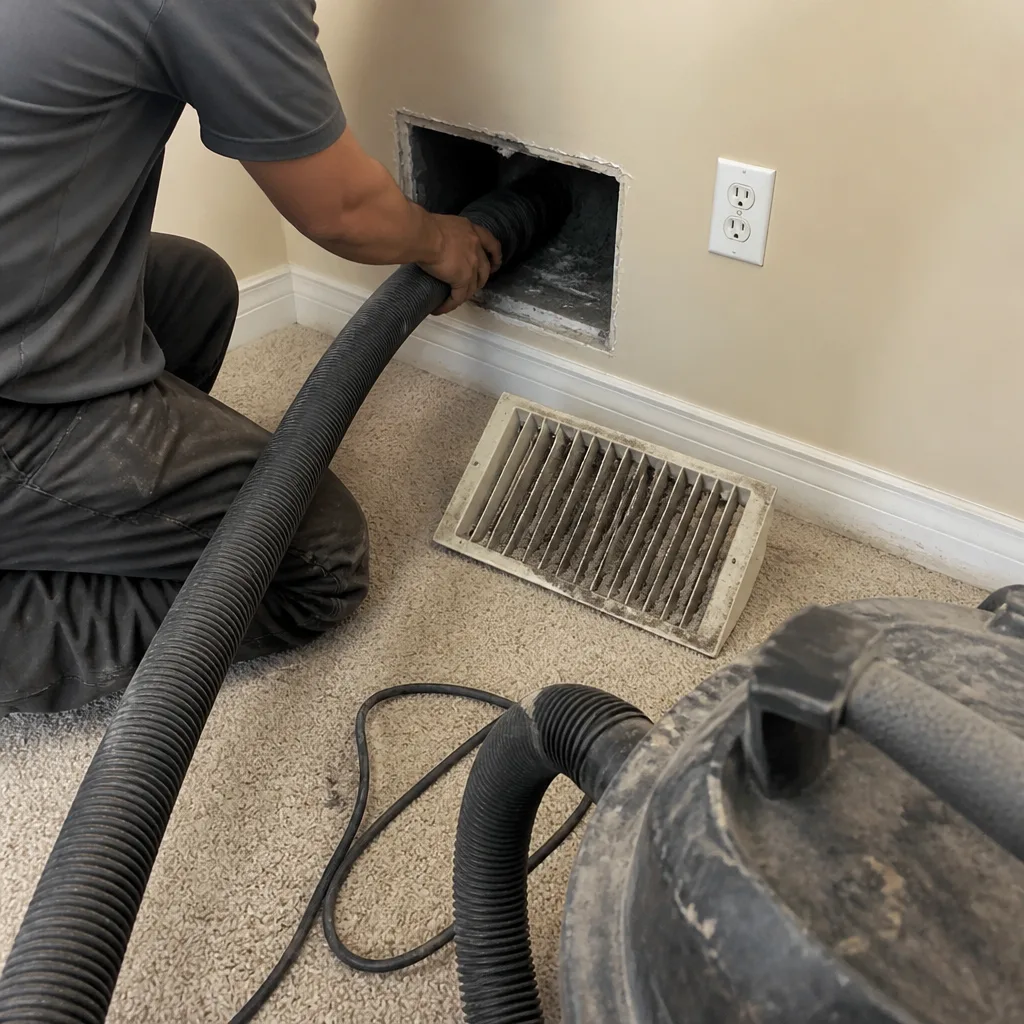 Before
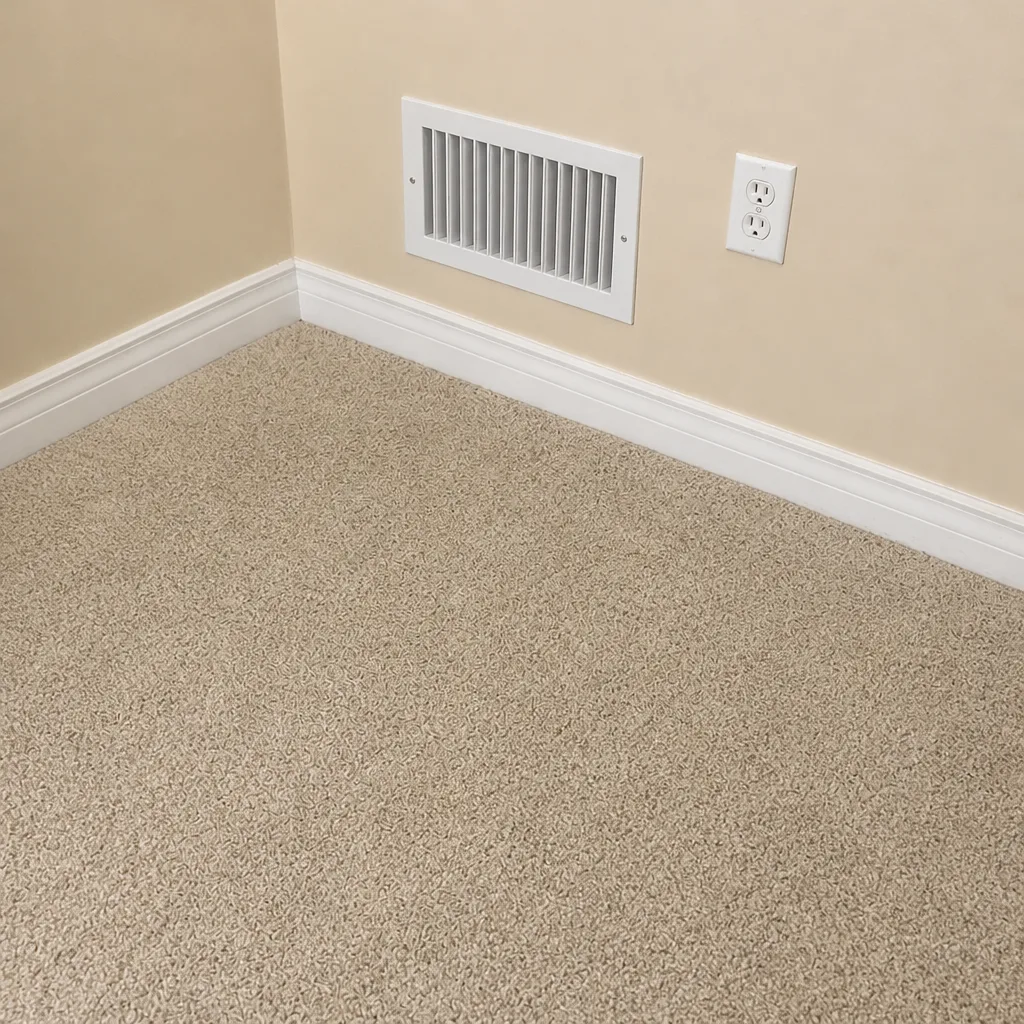 After
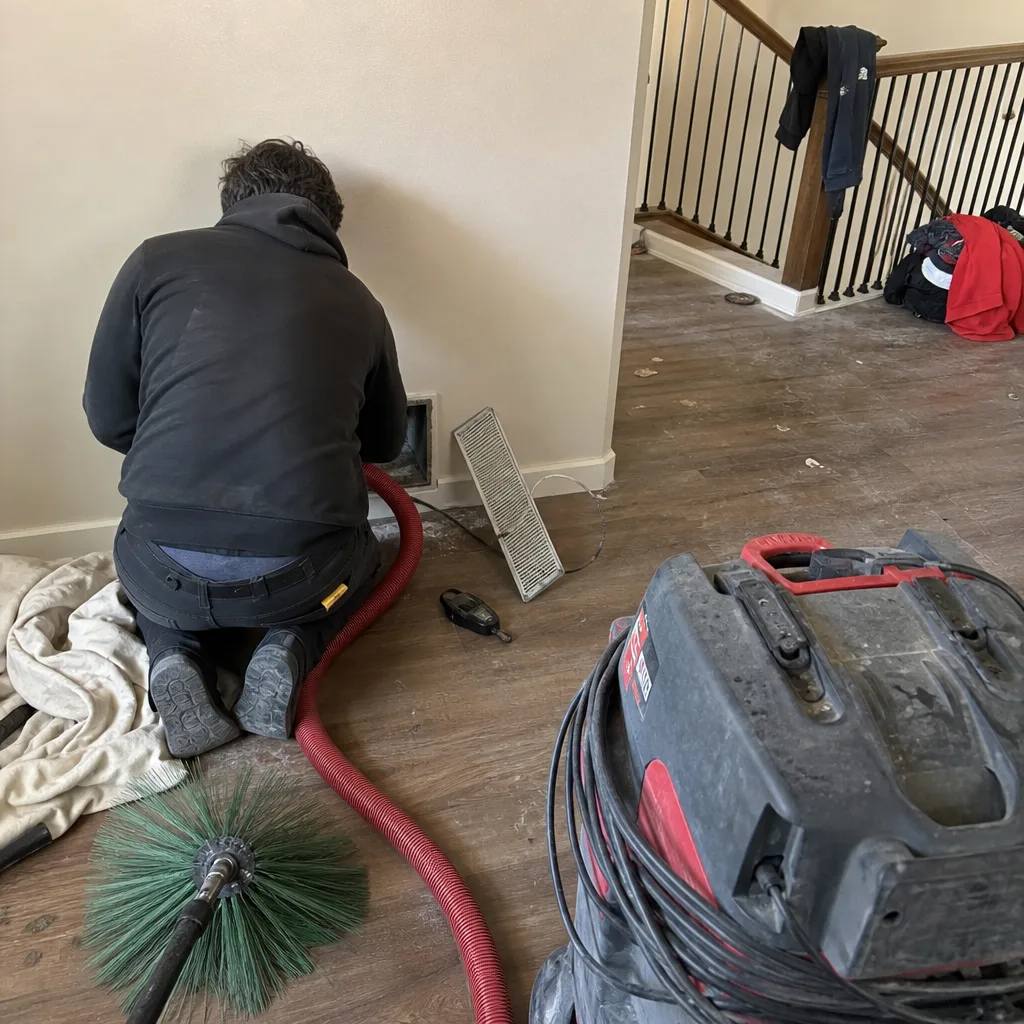 Before
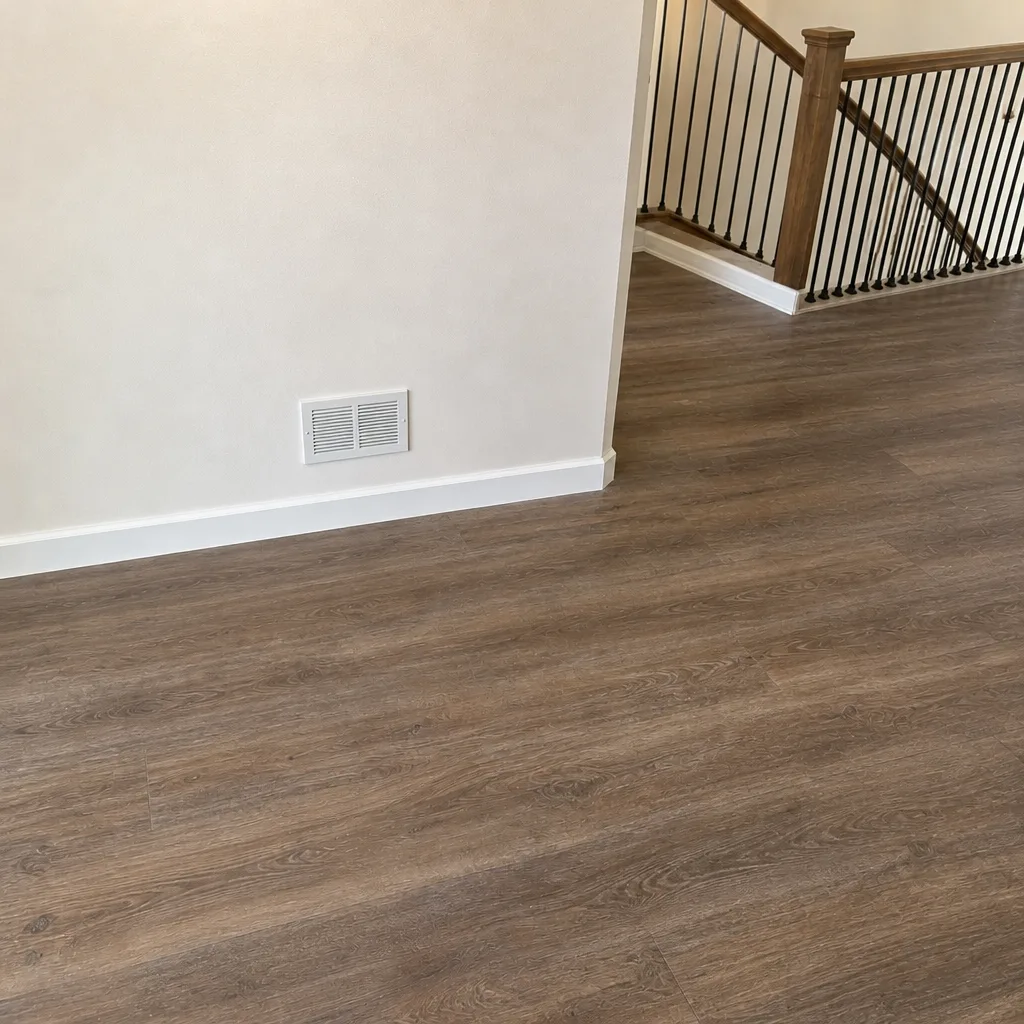 After
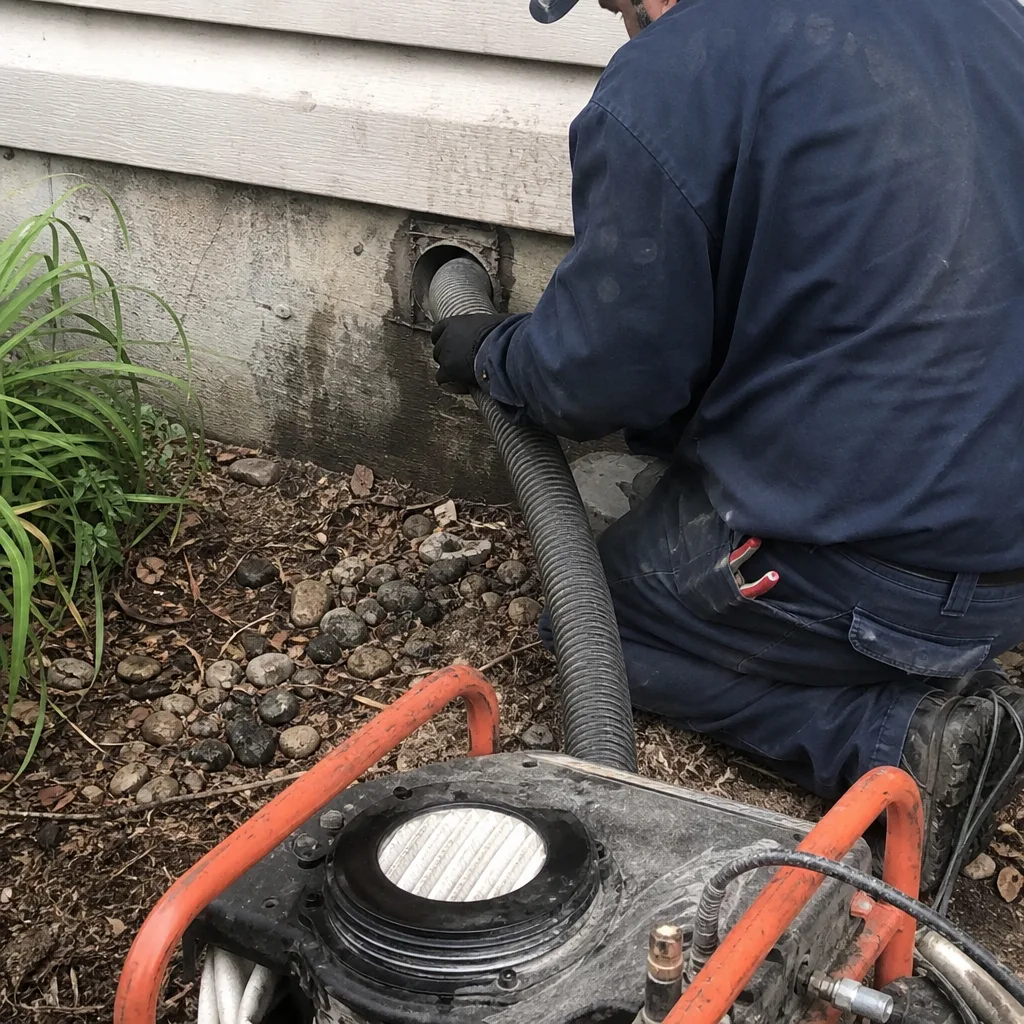 Before
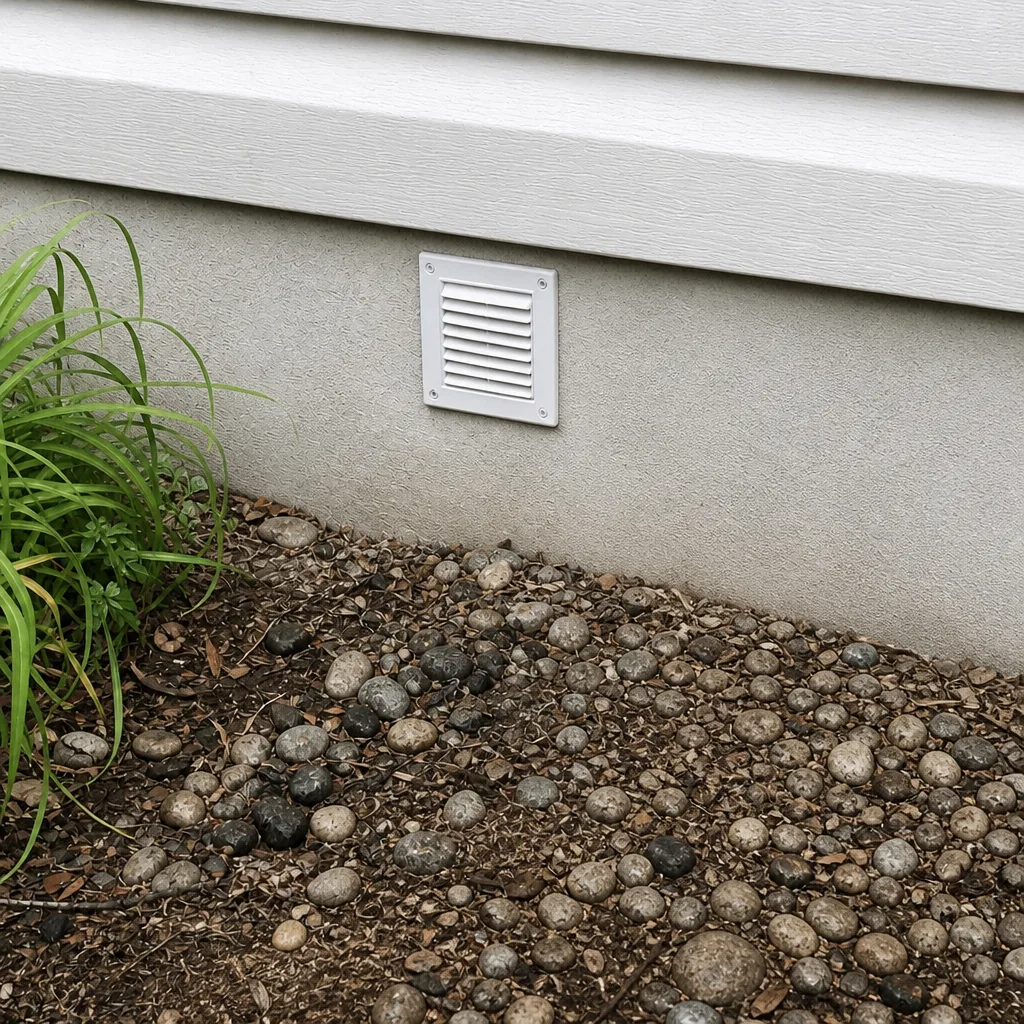 After