
Last updated November 25, 2026
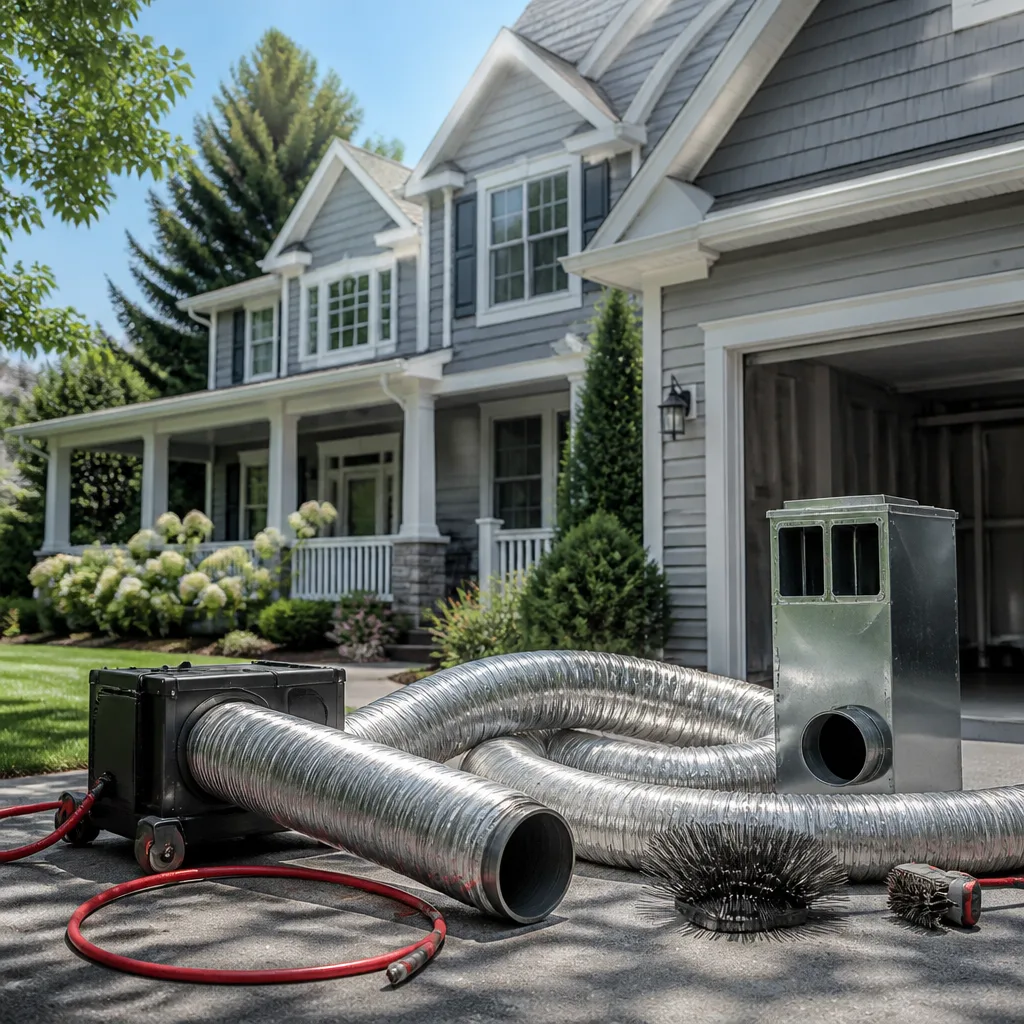 Whole-home duct cleaning
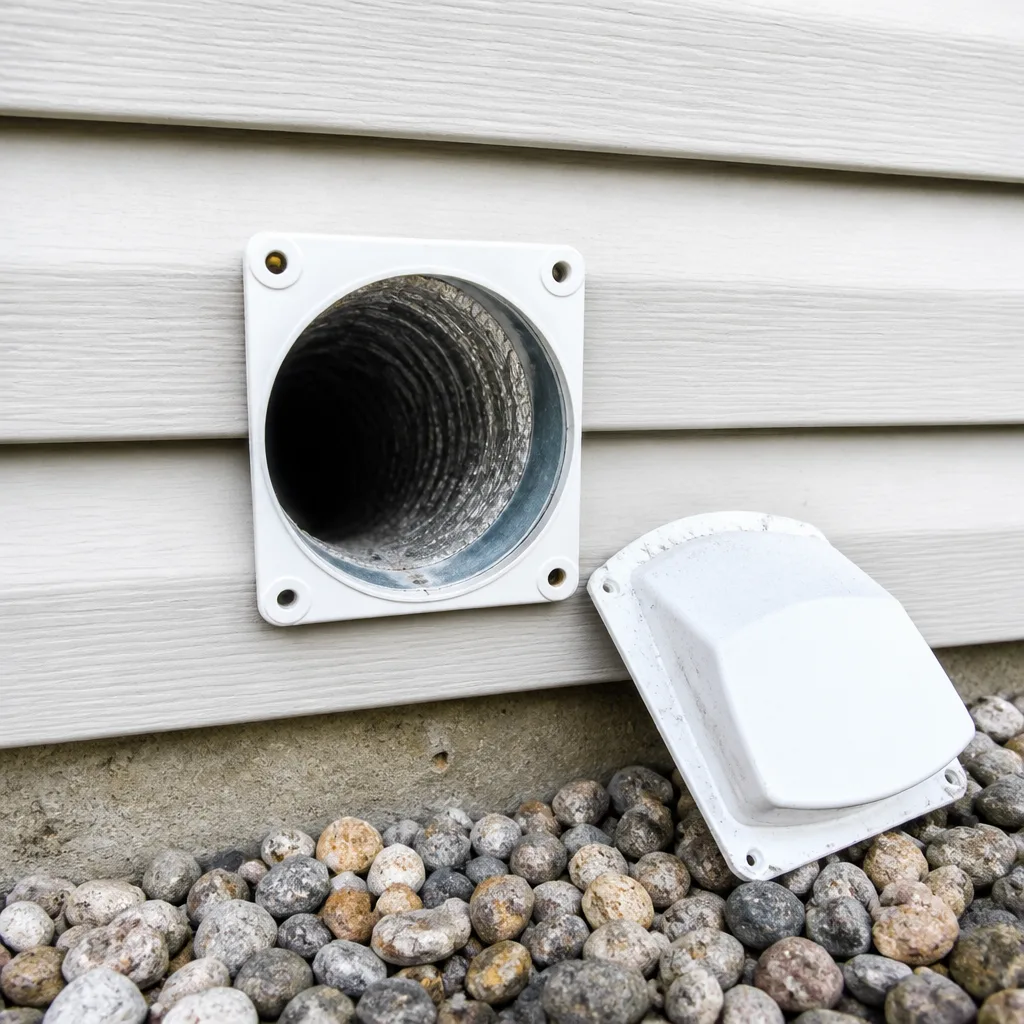 Dryer vent cleaning
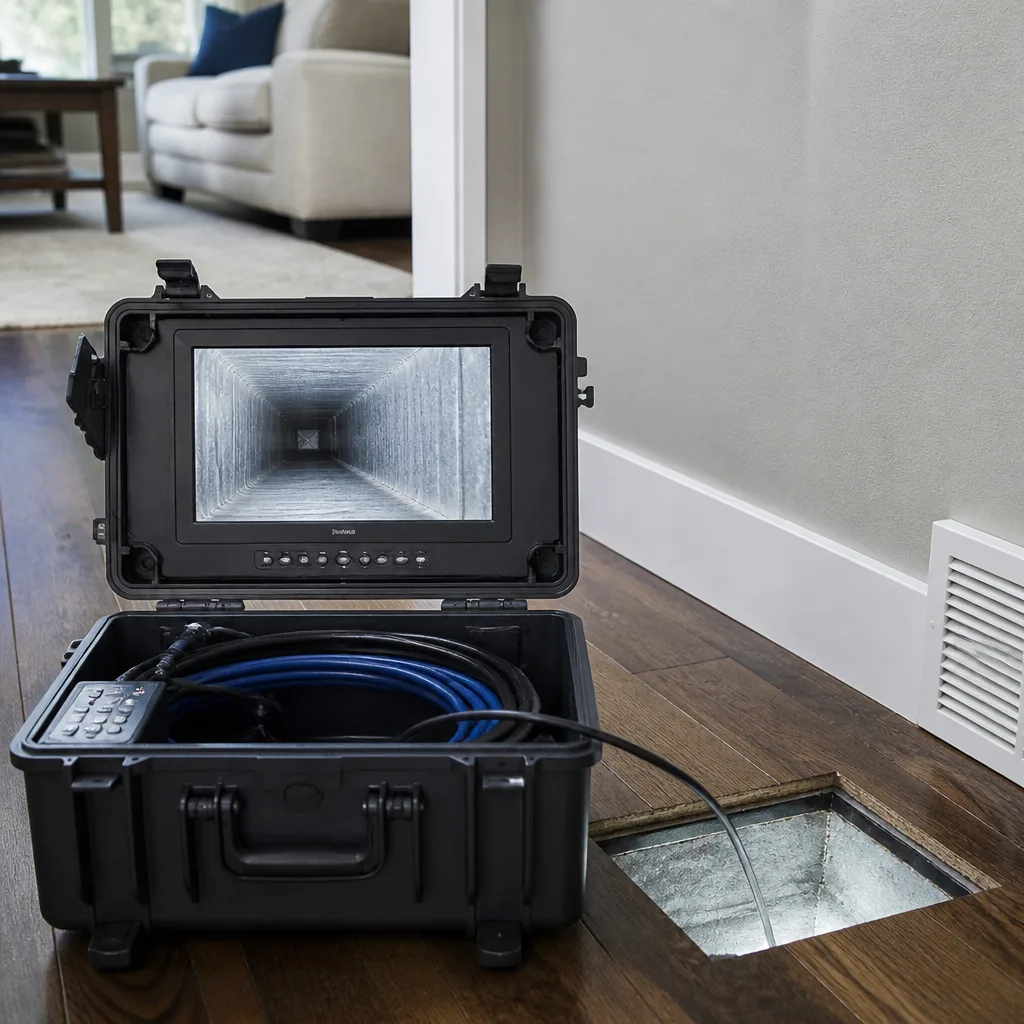 Camera inspection
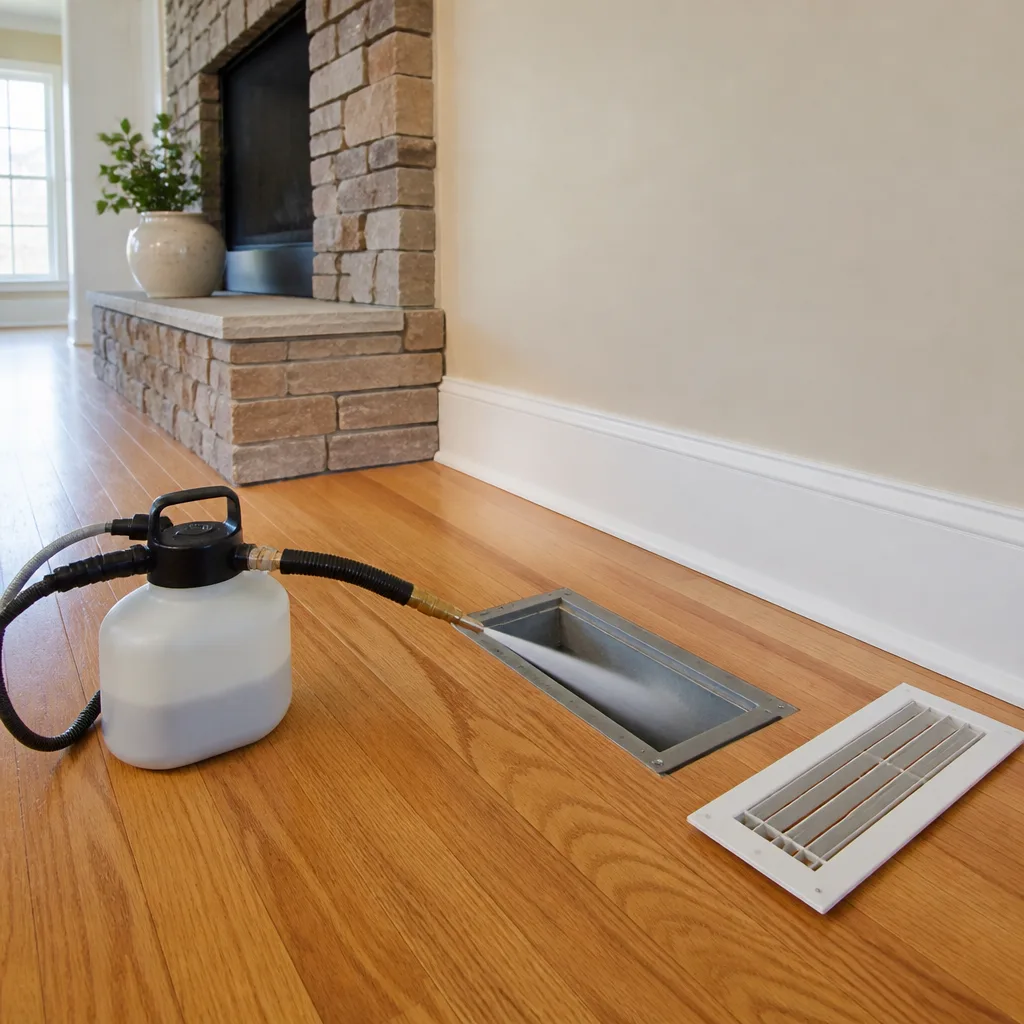 Sanitizing & deodorizing
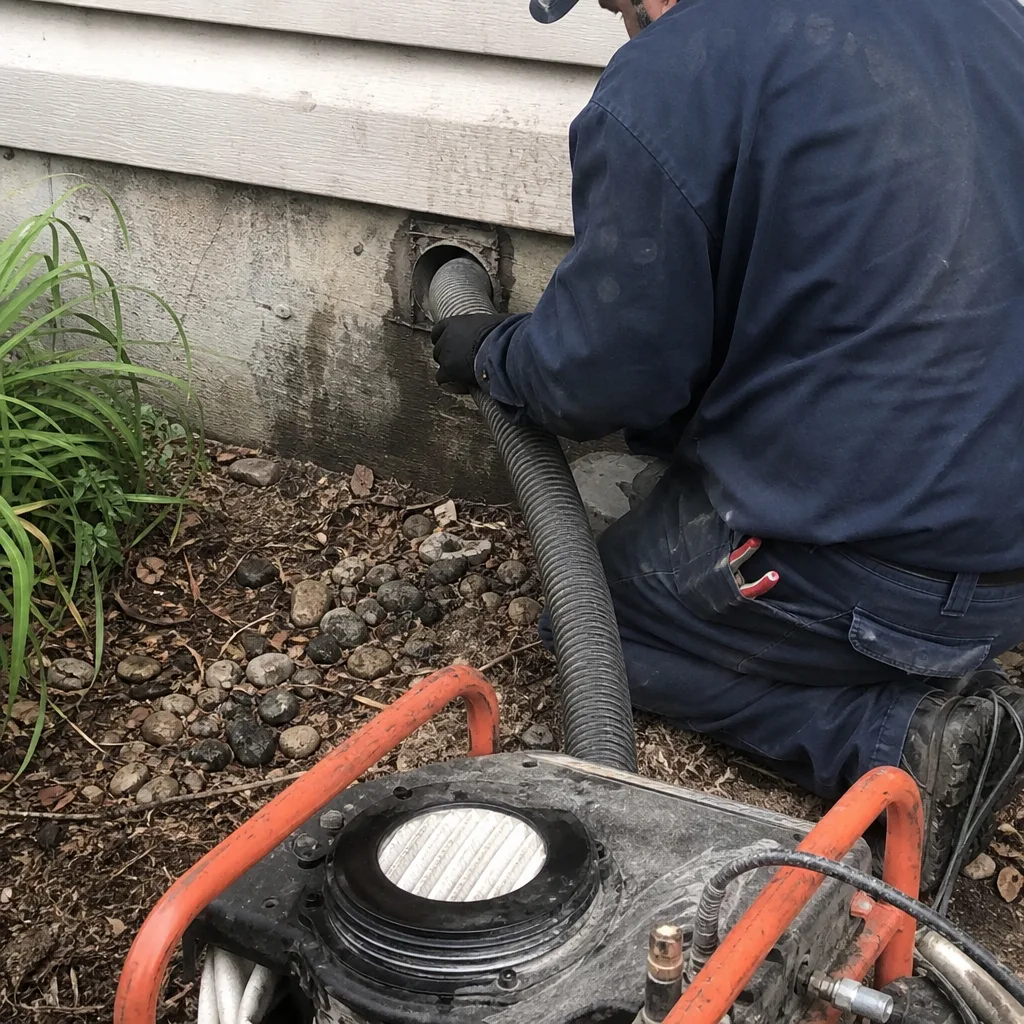
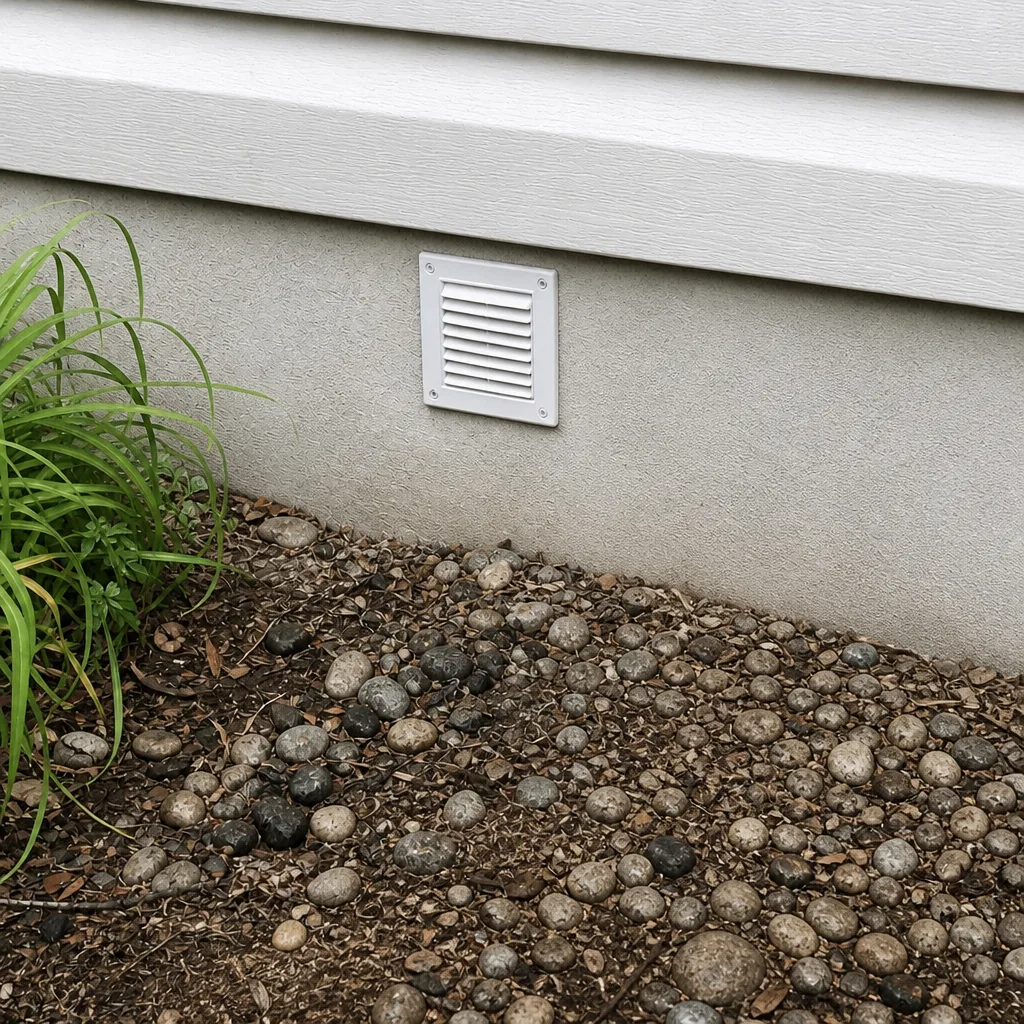
Whole-system duct and dryer vent check with before-and-after photos - you see exactly what came out of your vents
That "$99 whole-house special" is a bait ad - the real number appears once they are in your hallway, or the "clean" is a shop-vac at the register. We photograph the inside of your ducts before and after instead.
Seasonal Air Duct Cleaning Care for Lehi: Year-Round Homeowner’s Guide
Most national duct-cleaning advice tells you to book a cleaning in the fall, right before heating season. In Lehi, that advice is a season late. The heaviest particulate load our technicians find in local ductwork settles in late spring, after months of valley wind pushes dust, pollen, and construction silt through the system. Winter brings a different problem entirely: Utah Valley inversion events that trap fine particles near the ground and push outdoor PM2.5 indoors past what a standard MERV-8 filter can hold. This guide maps Lehi’s four seasonal stress periods – spring dust, summer moisture, fall construction and harvest particulate, winter inversion – and shows you how to time professional cleaning and home maintenance so both do more work for you. You’ll get a month-by-month calendar built for this valley, not a generic national template.
Styles & brands we work with
- Whole-home duct cleaning
- Dryer vent cleaning
- Camera inspection
- Sanitizing & deodorizing
Quick Answer
The best time for a full professional duct cleaning in Lehi is late spring, after wind season and pollen peak, with a second light assessment in fall before the system switches to heating. Summer calls for moisture checks around the air handler, and winter inversions call for filter upgrades plus a duct inspection if the system has run hard through a bad air stretch. Routine filter changes and a yearly professional evaluation cover most homes; heavy pet households, recent remodels, and homes near active construction need more frequent attention.
Table of Contents
- Why Lehi’s Climate Stresses Ductwork Differently
- Spring in Lehi: The Case for Cleaning Before Summer
- Summer AC Season: Moisture, Biofilm, and the Air Handler
- Fall in the Development Corridors: Construction and Harvest Load
- Winter Inversion Protocol: Filters and Fan Settings
- Month-by-Month Duct Care Calendar for Lehi
- What a Professional Full-System Cleaning Actually Involves
- Common Mistakes to Avoid
- When to Call a Professional
- Frequently Asked Questions
- The Bottom Line
Why Lehi’s Climate Stresses Ductwork Differently
Lehi sits on the east bench of Utah Valley, between the Wasatch foothills and the low point where valley air pools during cold-weather inversions. That geography is the single biggest reason duct maintenance here doesn’t follow a national script. In winter, a high-pressure ridge traps cold air under a warmer layer, and fine particulate matter accumulates near the ground instead of dispersing. When that happens, outdoor PM2.5 can climb well above what a basic furnace filter is designed to catch, and the particles that get past the filter don’t leave. They settle across duct interiors, the blower wheel, and the evaporator coil, and every cycle of the system stirs a portion of them back into the rooms you live in.
The rest of the year adds different loads on a rotating schedule:
- Spring wind and pollen. Utah Valley’s spring wind events carry fine dust and tree pollen, much of it small enough to bypass a low-MERV filter.
- Summer cooling demand. The system runs for hours at a stretch, pulling warm, humid air across a cold evaporator coil. Condensate forms, and if the drain pan isn’t draining cleanly, that moisture becomes a growth surface.
- Fall development dust. Lehi has seen sustained residential growth, and nearby lot grading and home construction throw fine silica and drywall dust into the air that surrounding homes draw in.
- Winter inversions. The valley traps fine particulate, and a home that keeps its system fan running continuously pulls more of it into the duct pathway.
Our technicians have up to 8 years of experience reading these patterns in local homes, and the same four cycles show up again and again. A homeowner who understands them can schedule cleaning and filter changes to catch each load before it compounds into the next season’s problem.
Spring in Lehi: The Case for Cleaning Before Summer
Late spring, not fall, is the smart window for a full professional cleaning in Lehi. By the end of April or May, the system has spent months pulling wind-blown dust and pollen through the return, and that load is sitting in the ductwork. Clean it before summer and you start cooling season with a clear pathway, so the effort the blower puts in goes toward moving cool air rather than dragging a season’s worth of settled particulate back into the living space. Wait until fall and the system carries that spring and summer load through every cooling cycle.
Spring prep should include more than a cleaning appointment. Here’s the sequence we recommend:
- Change the filter before the cleaning. A dirty filter feeding a dirty system just reintroduces debris after the technician finishes.
- Walk the home and note the return vents. Rooms that feel stuffy or dusty point to restricted returns, and a technician should know before arriving.
- Book the cleaning for late spring. Aim for after the last big wind events and pollen peak, so the cleaning captures the full seasonal load.
- Ask about duct integrity during the visit. A cleaning passes through the ductwork; a technician with a camera and pressure testing can spot loose joints and disconnected runs that leak conditioned air into attics and crawlspaces.
- Test the system after cleaning. Confirm airflow at each register and listen for any new rattle that suggests an unseated duct connection.
Spring is also the right time to think about the whole air pathway, not just the ducts. A full air duct cleaning covers the supply and return runs, registers, grilles, and blower housing, but the evaporator coil and drain pan deserve a look at the same time. If the pan hasn’t been touched since last summer, that’s a chance to catch condensation problems before they become a smell you can’t place.
Summer AC Season: Moisture, Biofilm, and the Air Handler
During cooling season in Lehi, the air handler becomes the highest-risk spot in the system. A cold evaporator coil plus warm return air equals condensate, and condensate has to leave through the drain pan and line. When the pan sits wet and the drain line is slow or partially clogged, standing water creates exactly the conditions where biofilm and mold can establish on the coil face and pan surfaces. Cleaning the ducts alone won’t fix that. The moisture source has to be addressed, or a newly cleaned system gets recontaminated within weeks.
Here’s what to check through the cooling months:
- Drain pan condition. Look for standing water, rust, or a slimy film. A pan that doesn’t fully drain needs service before the coil gets cleaned.
- Drain line flow. A slow-draining line is the early warning sign of a biofilm clog further downstream.
- Coil face cleanliness. A dusty coil loses efficiency and holds moisture longer, which feeds the problem.
- Musty odor at the registers. Persistent mustiness that doesn’t clear when the system runs points to growth inside the air handler or ductwork.
- Condensate overflow switch. Confirm the safety switch works; a pan overflow into a ceiling or cabinet causes far more damage than the cleaning costs.
Our approach to HVAC cleaning pairs mechanical cleaning of the coil and blower with a check of the drain pathway, because a clean coil sitting over a neglected pan has a short useful life. If the system has been running hard through a humid stretch and the home smells stale when the AC kicks on, that’s the signal to get the air handler inspected before the smell settles into the whole duct run.
What “Clean” Means in Cooling Season
A clean duct system in summer is a dry duct system. Debris is less of a concern than moisture, because moisture turns ordinary dust into a food source. Look at the drain pan, the coil face, and the blower wheel as one unit. When a technician cleans the system in cooling season, the pan and drain come first, then the coil, then the ducts. Cleaning in the reverse order just returns debris to a still-wet surface.
Fall in the Development Corridors: Construction and Harvest Load
Fall in Lehi brings a filtration load many homeowners don’t anticipate. Active home construction nearby sends fine silica, drywall dust, and exterior soil particles into the air. Those particles travel well beyond the lot line and get pulled into neighboring homes through returns and any leaky ductwork. At the same time, harvest activity on the valley’s agricultural edges and seasonal yard work kick up more particulate. By the time heating season starts, homes near active development can carry a heavier duct load than their filter rating and change schedule suggest.
Fall is a good moment for an assessment, even if the last full cleaning happened in spring. Some signals to watch:
- Visible dust on registers within weeks of a cleaning points to intake of construction dust or a leaking return.
- Faster filter loading than previous years is a strong signal that the local air has more particulate than it did before.
- Dust trails near return grilles indicate air is moving through gaps rather than through the filter.
- Attic duct runs deserve a close look. Attic ductwork is exposed to the widest temperature swings in the home and is the most common place to find detached or crushed runs.
Fall is also when we recommend checking ductwork integrity rather than just cleaning. A duct run that has separated at a joint or been crushed during a past remodel pulls unconditioned attic air into the living space, and no filter fixes that. Our technicians can seal and repair ductwork during the same visit as a cleaning, which means the system comes out clean and tight instead of clean and leaky. That combined service is one of the reasons we’ve built a full air-pathway menu; there’s little value in a spotless duct system that’s still dumping air into a crawlspace.
Dryer Vent Season
Fall is also the right time to think about dryer vent cleaning. Lint buildup in a dryer vent is a leading cause of residential structure fires, and cool-weather months mean more laundry cycles with the windows closed. A clogged vent also extends drying times and pushes the dryer to run hotter, which adds wear. Many pure duct-cleaning companies skip dryer vents entirely. We offer it as a standalone service because the fire-safety side of a home’s air pathway deserves its own appointment.
Winter Inversion Protocol: Filters and Fan Settings
Winter inversions are the defining air-quality challenge for Lehi homeowners, and the instinct to run the system fan continuously during an inversion is usually wrong. A fan that runs nonstop keeps air moving through the duct pathway at all hours, and during an inversion the air coming in is loaded with fine particulate that settles across duct interiors. The longer the fan runs during a bad air stretch, the more particulate migrates from the filter face into the ductwork and onto the blower wheel. A clean, running system is fine; a dirty, running system concentrates the load.
Here’s what we recommend during Lehi inversion periods:
- Upgrade the filter, but stay within the equipment’s spec. A higher-MERV filter catches more fine particulate, but going too high on a system not designed for it can choke airflow and put strain on the blower. Check the filter slot sticker or the owner’s manual for the highest MERV the system allows, then step up to that rating for the inversion stretch.
- Keep the filter fresh. A high-MERV filter loads faster than a basic one, so a change interval that worked in summer may be too long in January.
- Run the fan on auto, not on continuous. Automatic operation runs the fan only when heating or cooling calls for it, which limits the hours the system is drawing inversion air through the ducts.
- Seal windows and exterior doors. Outdoor particulate finds the gaps; keeping the envelope tight reduces the total load the filter has to handle.
- Watch for unusual dust at the registers. If dust appears quickly after a filter change during an inversion, the ducts may be overdue for cleaning.
A filter upgrade alone doesn’t fix a duct system that’s already carrying years of settled particulate. When the system pulls air through a heavily loaded duct run, that stored dust gets stirred back into circulation regardless of filter rating. That’s why we recommend timing a full cleaning for late spring and using winter as the maintenance and monitoring window rather than the primary cleaning window.
Month-by-Month Duct Care Calendar for Lehi
This calendar is built for the specific rhythm of Utah Valley – wind season, cooling demand, development dust, and inversion air – rather than a national template. Adjust the timing to your home’s situation; a home near active construction or with multiple pets needs more frequent attention than a home on a quiet lot with no pets.
January through February
- Check the filter every 30 to 45 days during inversion activity.
- Keep the fan on auto.
- Note any dust at the registers and any musty odor.
- Book a spring cleaning assessment if you’re overdue.
March through April
- Change the filter ahead of the heaviest wind events.
- Walk the return vents and note any rooms with weak airflow.
- Schedule the late-spring professional cleaning.
- Check exterior door and window seals.
May through June
- Full professional cleaning in late spring.
- Inspect duct integrity and seal any leaks found.
- Clean the dryer vent before summer.
- Look at the drain pan and drain line before cooling season.
July through August
- Watch for musty odor or standing water at the air handler.
- Confirm the condensate drain and safety switch work.
- Change the filter on schedule despite heavier AC runtime.
- Consider a coil and blower check if the system has been running hard.
September through October
- Check filters for faster loading.
- Look for dusk trails near returns, a sign of leaking returns.
- Inspect attic duct runs if accessible.
- Second dryer vent cleaning if the household runs high laundry volume.
November through December
- Step up to the highest MERV filter the system allows before inversion season.
- Change filters more frequently through inversion periods.
- Confirm the fan is set to auto.
- Book a spring cleaning if you haven’t already.
What a Professional Full-System Cleaning Actually Involves
A full-system cleaning goes well beyond vacuuming the registers. The systems we use are the kind found in commercial HVAC and restoration work, not homeowner shop vacuums. Rotobrush and Nikro mechanical cleaning systems agitate and extract debris from duct interiors, while Abatement Technologies negative-air equipment keeps dislodged debris under containment instead of pushing it back into living spaces. The negative-air step matters more than most homeowners realize: cleaning without containment can loosen years of settled material and redistribute it across the home. We treat containment as the foundation of the job, not an optional add-on.
A typical full-system visit covers the following sequence:
- Assessment and containment. We set negative air at the return and openings to keep debris from escaping into the home.
- Mechanical cleaning. Rotobrush and Nikro systems agitate and extract debris from the supply and return runs and the blower housing.
- Component cleaning. Registers, grilles, and the blower wheel are cleaned where they’re accessible.
- Duct integrity check. We look for loose joints, crushed runs, and detached connections, and repair or seal them where needed.
- Air handler review. The evaporator coil and drain pan get a look, particularly in cooling season.
- Air quality options. Where a customer wants to go further than cleaning, we sell and install Honeywell and Aprilaire indoor-air systems and can advise on filter and filtration upgrades based on how the home is set up.
This whole-system approach is the practical difference between a cleaning and an air-pathway service. Cleaning alone leaves leaks and moisture problems untouched. Cleaning plus repair and moisture correction is what keeps the system clean. If you want the system assessed from blower to vent, start with Lehi Air Duct Cleaning and we’ll map out which parts of the pathway need attention.
Common Mistakes to Avoid
- Following the national “clean in fall” advice without checking the local cycle. In Lehi, the heavier seasonal load arrives in spring, and a fall-only cleaning misses it.
- Running the system fan continuously during inversion events. It accelerates the rate at which outdoor particulate settles into the ductwork. Keep the fan on auto during inversion stretches.
- Upgrading to the highest available MERV filter without checking the system spec. Too-restrictive a filter can choke airflow and strain the blower. Go as high as the system allows, not higher.
- Cleaning ducts without addressing moisture at the air handler. A newly cleaned system sitting over a wet drain pan recontaminates quickly.
- Assuming a duct cleaning fixes poor airflow. If the ducts have crushed runs or detached joints, you need repair and sealing, not just cleaning.
- Skipping dryer vent cleaning. Lint buildup is a real fire risk, and it’s easy to forget because the dryer still works.
- Judging a cleaning by the filter alone. A clean filter doesn’t tell you what’s sitting in the ducts. Look at the system as a whole, not just the filter face.
When to Call a Professional
Call a professional when you’re seeing signals the system can’t clear on its own: dust settling at the registers within weeks of a filter change, a musty smell that appears when the system starts up, visible dust trails around return grilles, or heavy allergy symptoms that track with heating and cooling cycles. Book a cleaning if it’s been years since the ducts were serviced, if the household has multiple pets, if a recent remodel sent drywall dust through the system, or if the home sits near active construction. Dryer vent cleaning is worth a call the moment laundry drying times stretch or the dryer body feels unusually warm. If you’re near an inversion period and the filters are loading fast, that’s also a reasonable trigger for an assessment.
Lehi Air Duct Cleaning offers free estimates in Lehi. Call (833) 513-8123. We answer 24/7. Fast dispatch from 7am to 7pm, Sunday through Friday.
Frequently Asked Questions
Late spring is the smart window in Lehi, after wind season and pollen peak and before cooling demand starts. That timing clears the heavy spring particulate load before it gets carried through summer cooling cycles. A secondary assessment in fall before heating season catches anything introduced by summer construction dust or attic duct issues. Call (833) 513-8123 for a free estimate and we’ll help you plan the timing around your home’s situation.
National guides default to fall because many regions see their heaviest seasonal particulate from harvest and heating startup loads. Lehi’s climate puts the heavier load in spring, driven by valley wind and pollen. Following a national schedule here means cleaning after the biggest seasonal debris event has already run through the system.
No. During inversion periods, running the fan continuously draws more outdoor particulate through the system and deposits it into ductwork faster. Keep the fan on auto so it runs only when heating or cooling has a call, and step up the filter to the highest MERV the system allows.
Sometimes, but not always. Musty odors often come from moisture problems in the air handler – a wet drain pan, a slow-draining condensate line, or a dirty coil – rather than from the ducts themselves. Cleaning the ducts without addressing the moisture source won’t fix the smell. A proper assessment looks at the coil and drain pan before recommending the service.
Most homes do best with a full cleaning once every two to three years, timed for late spring, plus filter changes on the system’s schedule. Homes near active construction, homes with multiple pets, homes with allergy-sensitive occupants, or homes recovering from a remodel may need annual attention. Drier vent cleaning should happen once a year for most households.
Both matter, and one doesn’t substitute for the other. A higher-MERV filter captures more fine particulate before it reaches the system, which reduces how fast the ducts load up. Cleaning removes the accumulated debris that a filter can’t reach. When the ducts are already loaded, filter upgrades don’t clear the system; they only slow the rate of new accumulation. Call (833) 513-8123 to talk through both.
The Bottom Line
Lehi’s climate creates four distinct duct stress periods each year, and the national guidance to clean in fall misses the biggest one. Time your full cleaning for late spring, keep an eye on moisture and drain pan condition through summer, watch for construction dust and attic duct integrity in fall, and treat winter as a filter-monitoring season rather than a continuous-fan season. Professional-grade equipment like Rotobrush, Nikro, and Abatement Technologies containment makes a real difference in how much debris actually leaves the system, and pairing cleaning with duct repair and moisture correction keeps the system clean. Our technicians have up to 8 years of experience reading these patterns in local homes and can help you plan the year. Call (833) 513-8123 for a free estimate. We answer 24/7. Fast dispatch from 7am to 7pm, Sunday through Friday.
Written by the team at Lehi Air Duct Cleaning.
See the difference
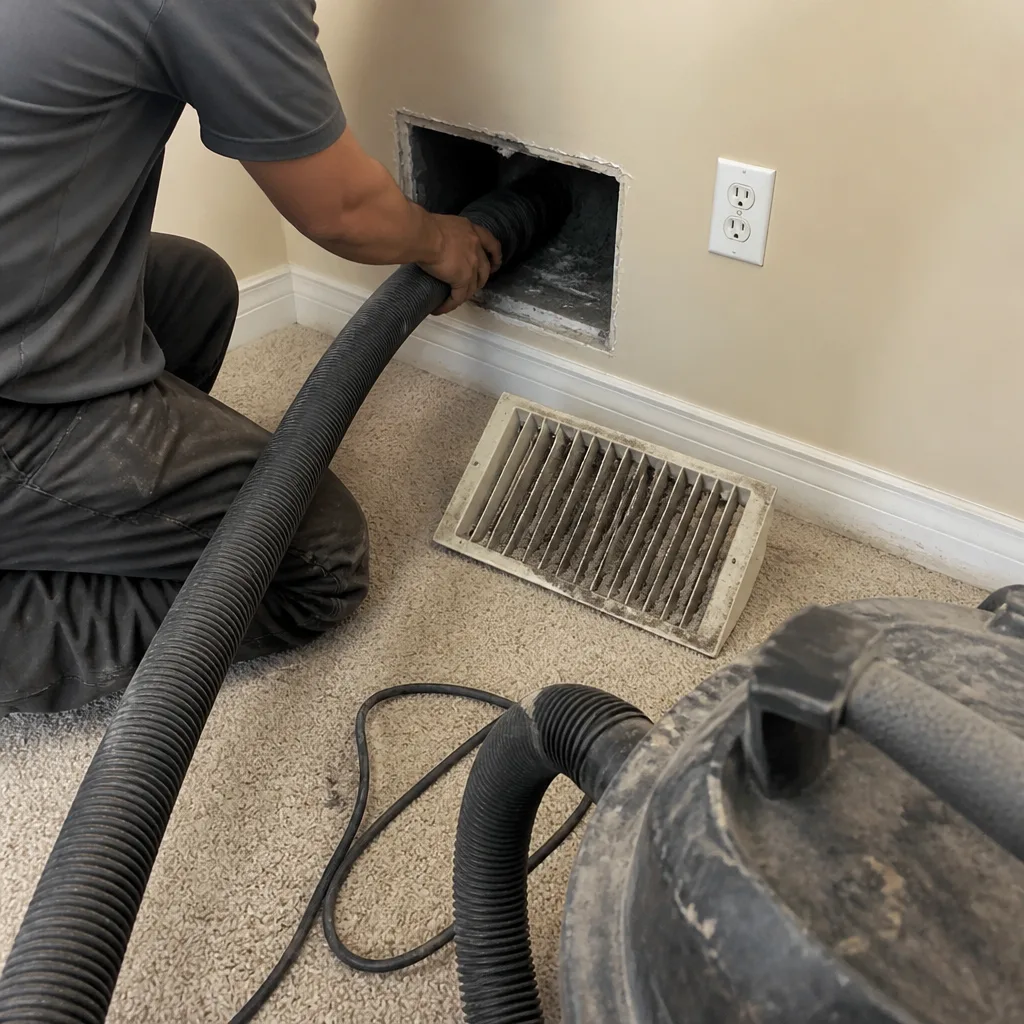 Before
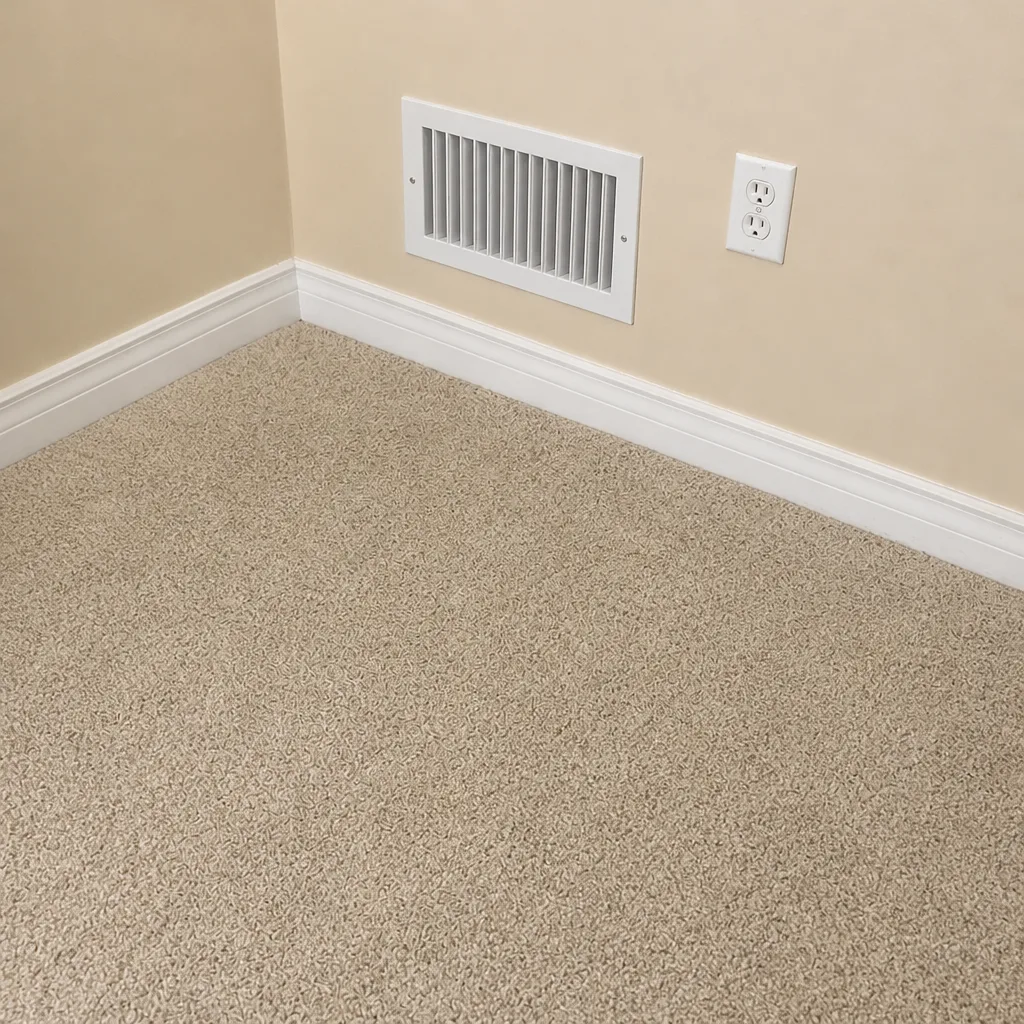 After
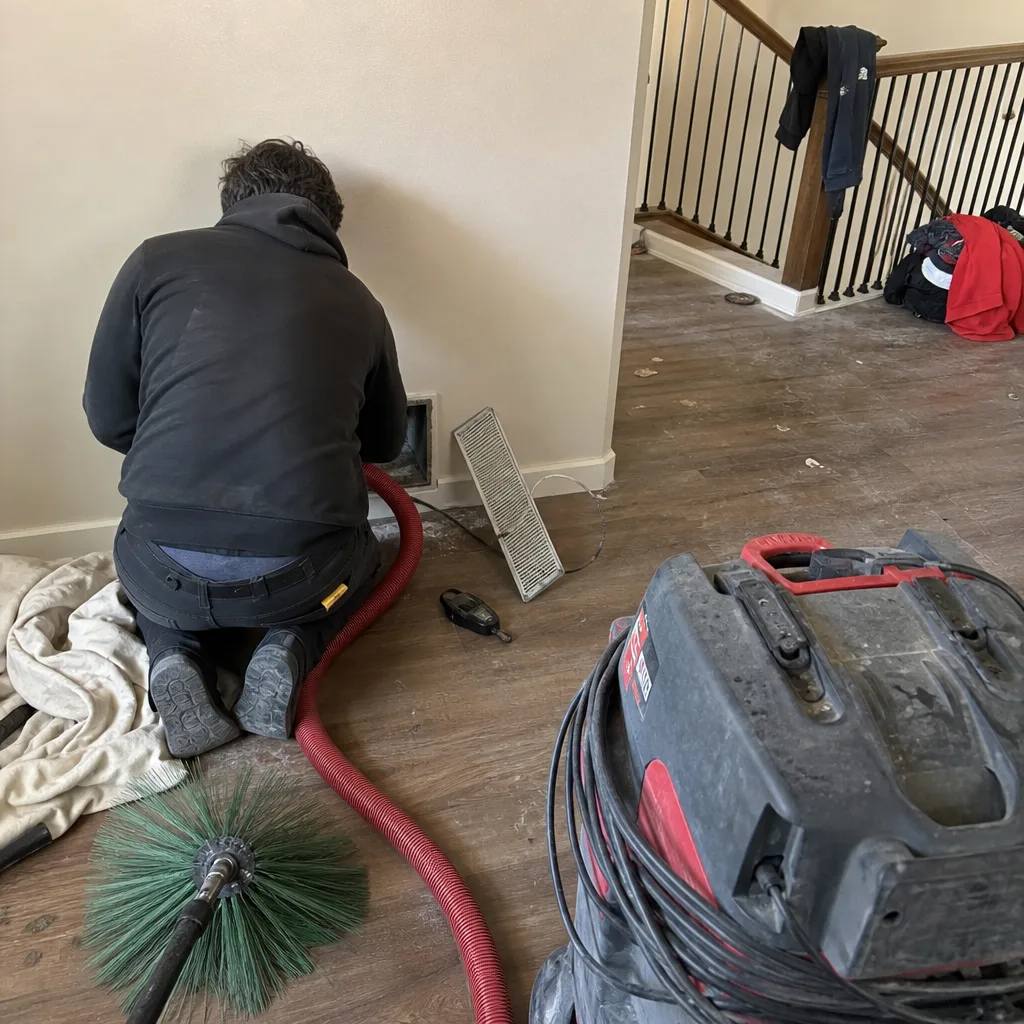 Before
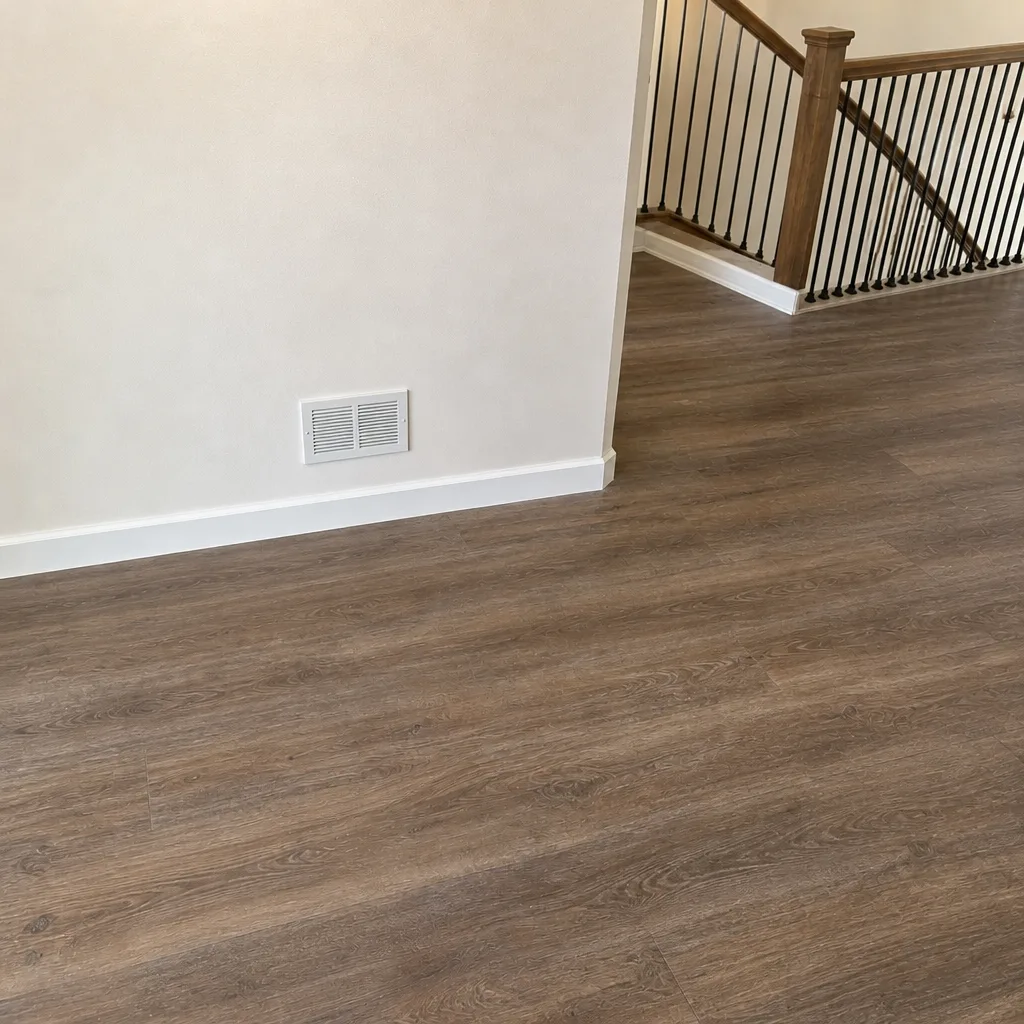 After
 Before
 After