
Last updated November 25, 2026
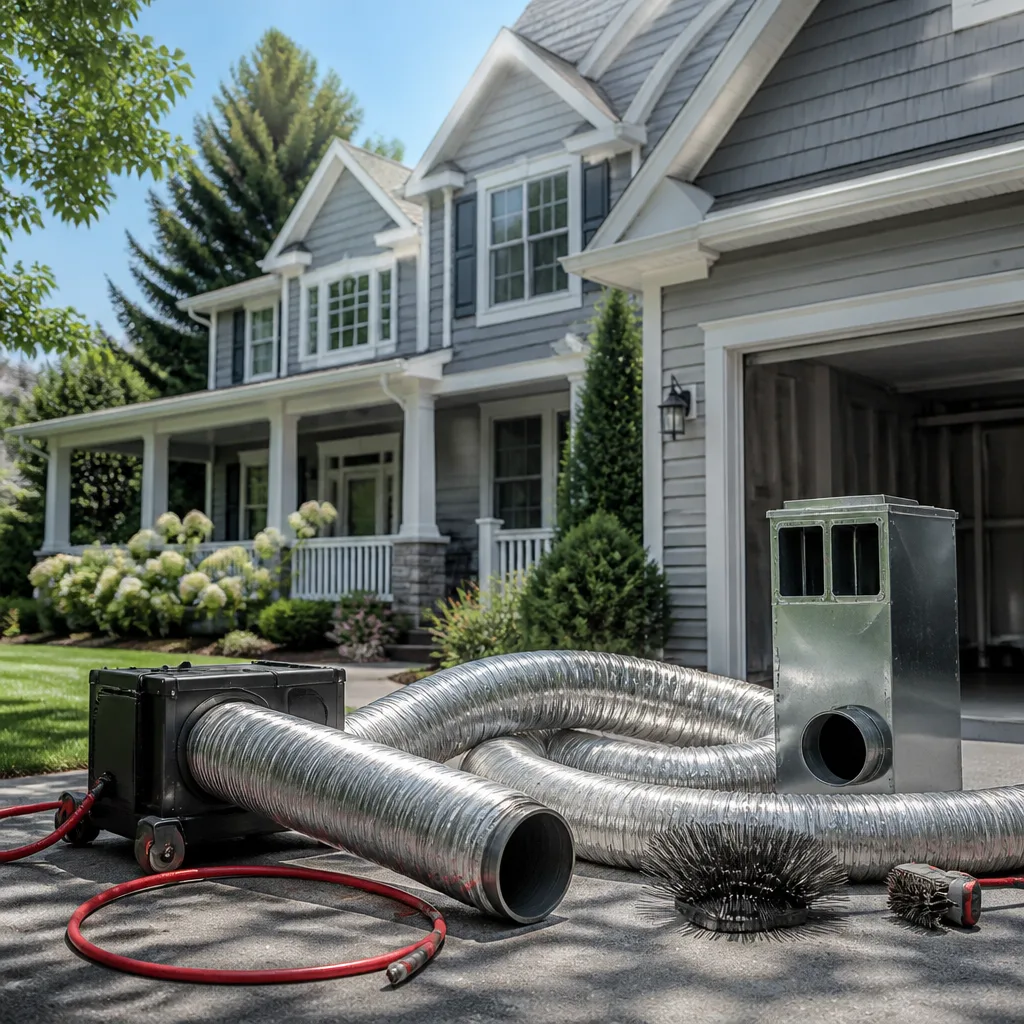 Whole-home duct cleaning
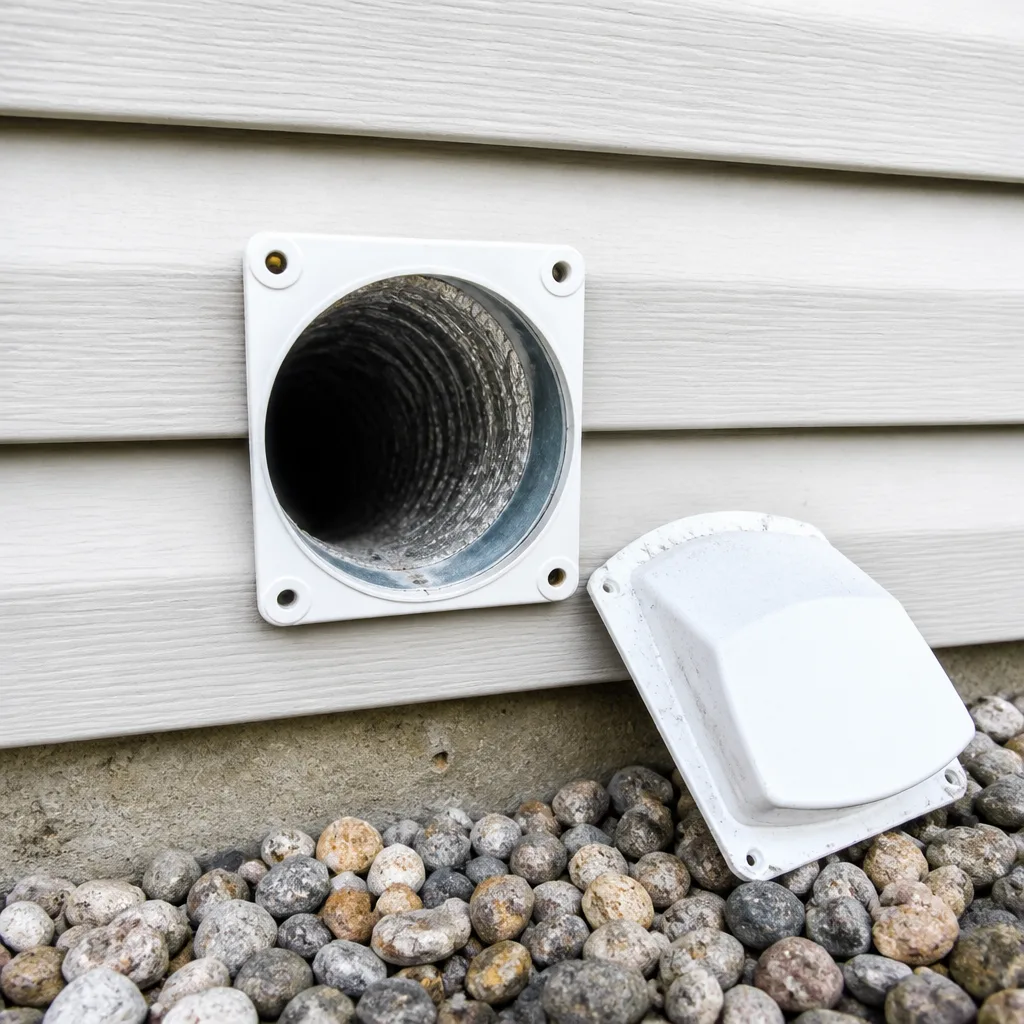 Dryer vent cleaning
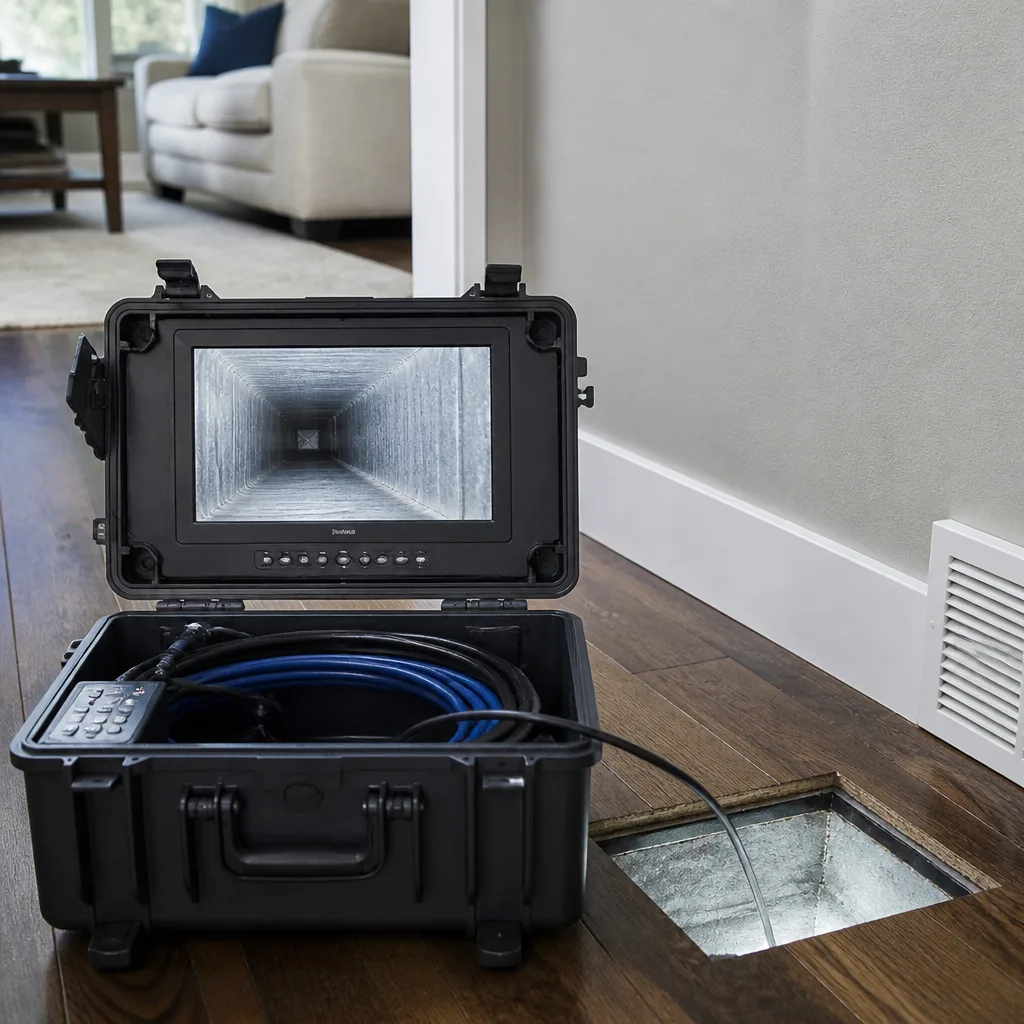 Camera inspection
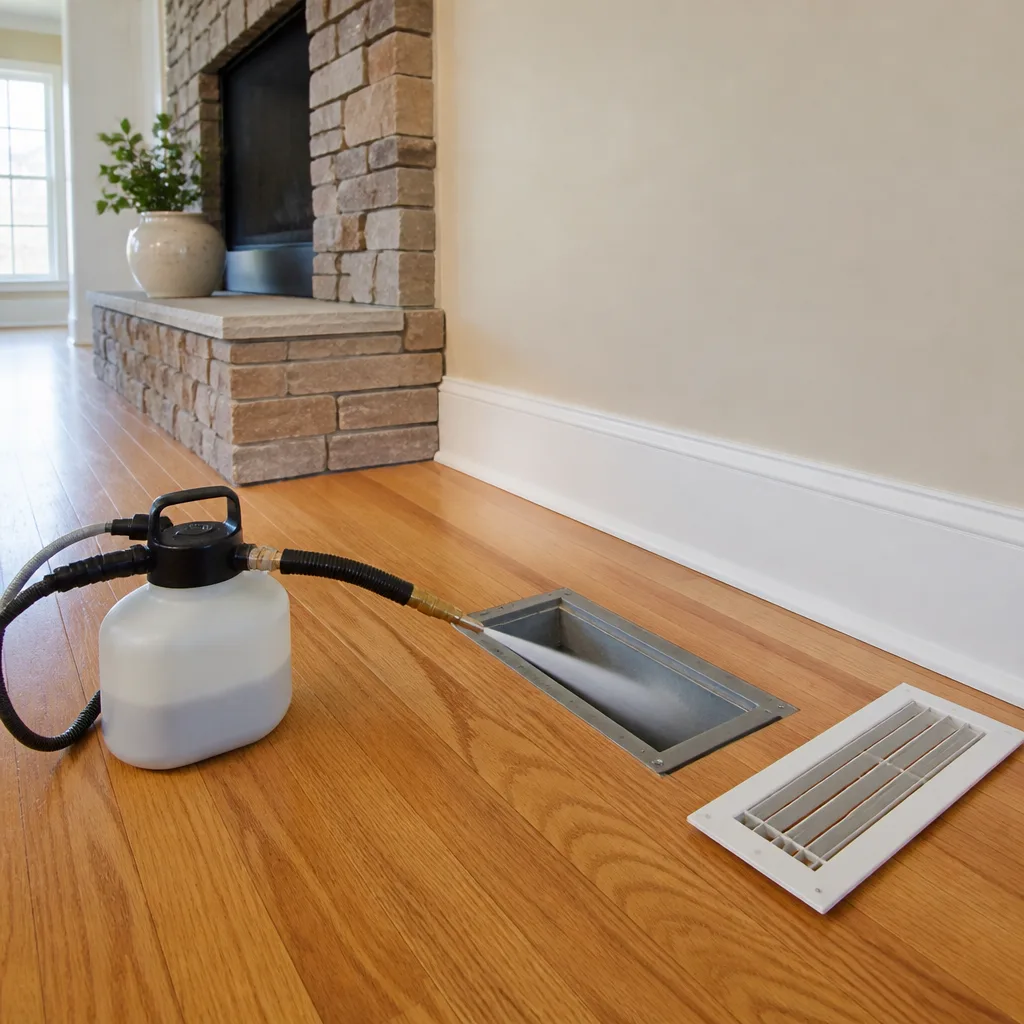 Sanitizing & deodorizing
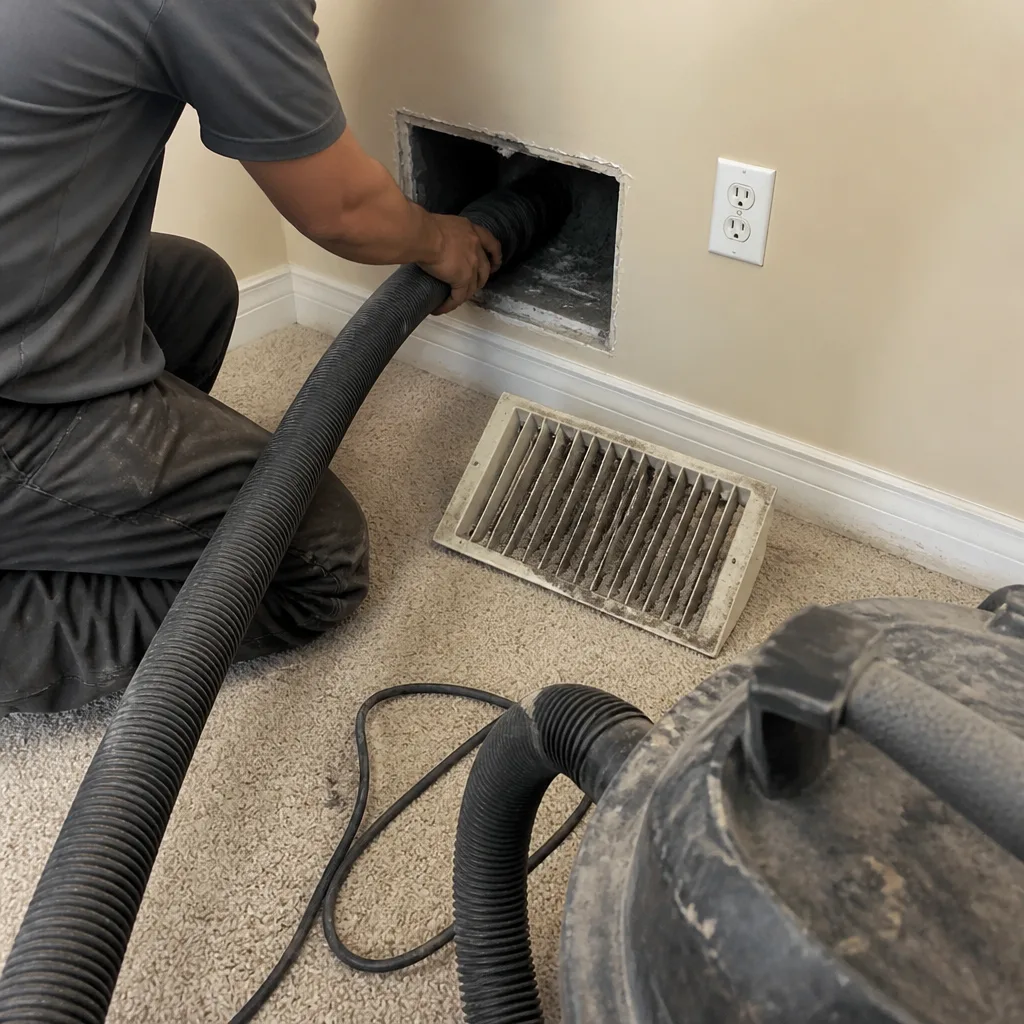
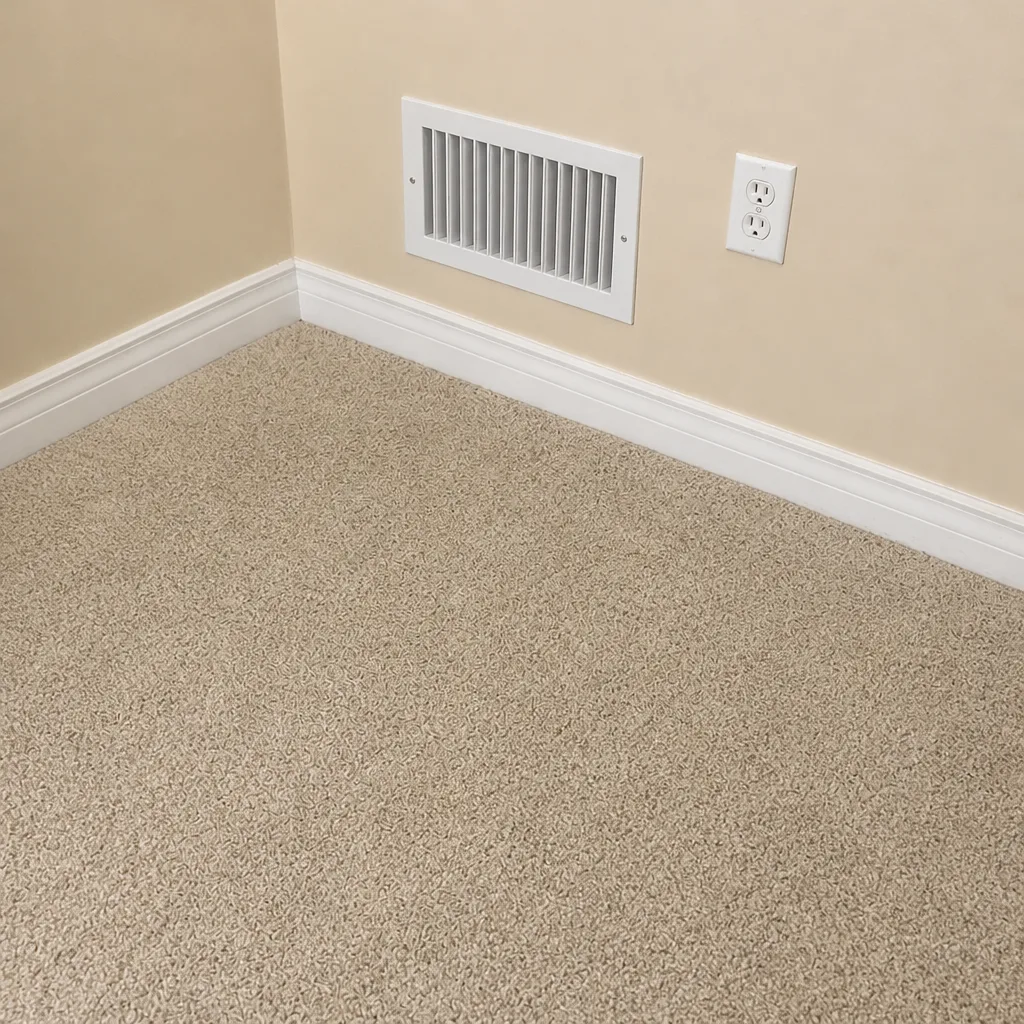
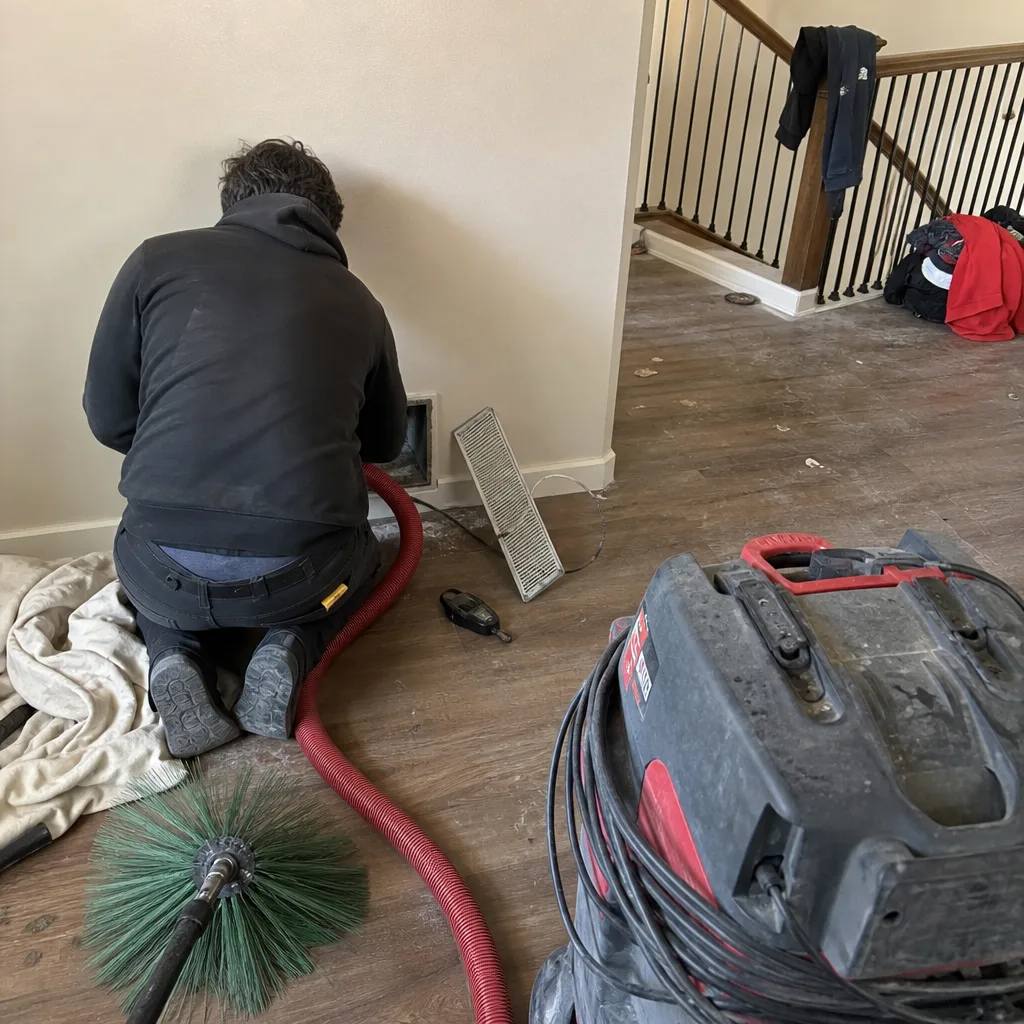
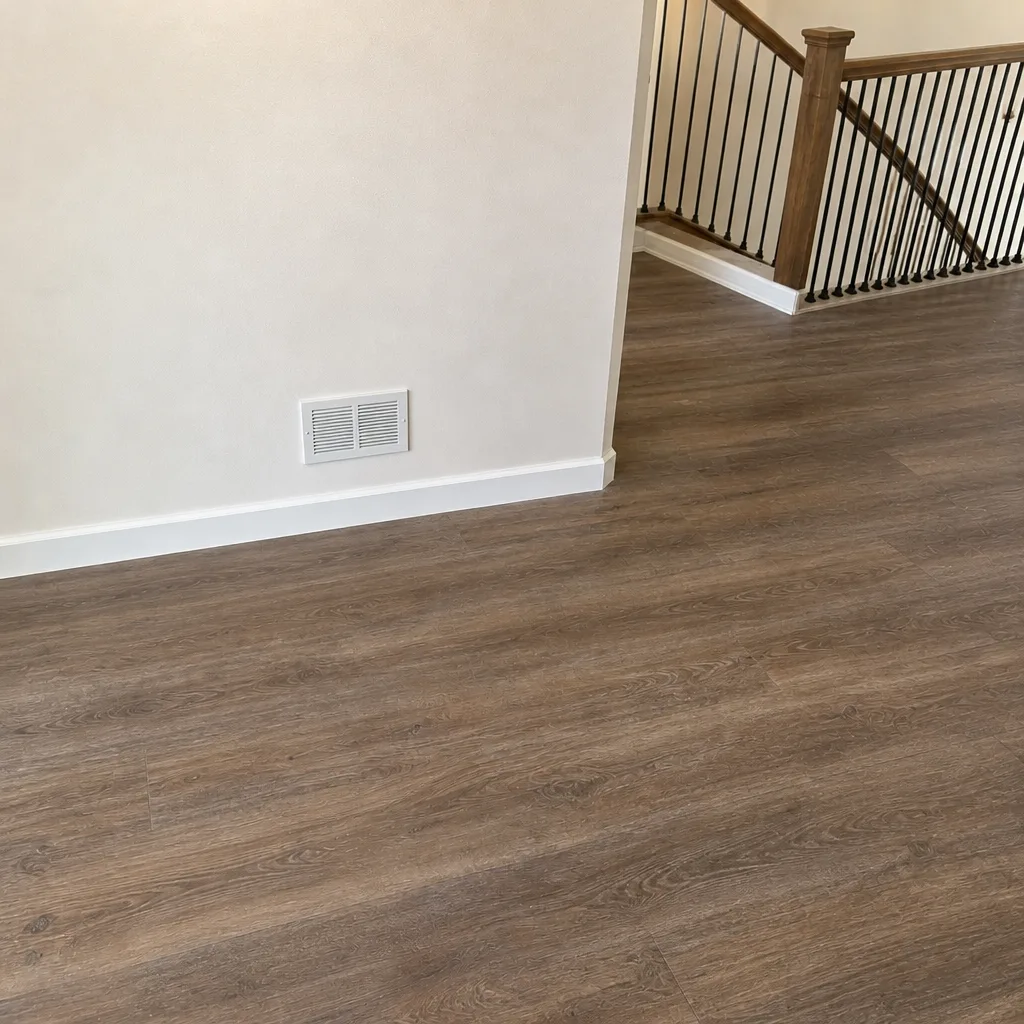
Whole-system duct and dryer vent check with before-and-after photos - you see exactly what came out of your vents
That "$99 whole-house special" is a bait ad - the real number appears once they are in your hallway, or the "clean" is a shop-vac at the register. We photograph the inside of your ducts before and after instead.
How to Hire an Air Duct Cleaning Contractor in Lehi: A Step-by-Step Guide
Utah does not require a state-issued license specifically for air duct cleaning. That’s the first thing to understand, because it means anyone who buys a shop vac, prints a website, and prints a business card can legally accept money to clean the ducts in your Lehi home. There’s no state exam to pass, no registry to join, no inspection from a regulator before they pull up in your driveway.
That gap puts the entire burden of quality control on you. It’s not fair, but it’s the reality. This guide walks through the exact questions to ask, the equipment to verify, the red flags hiding inside a low quote, and the documentation to demand before a single brush enters your ductwork. By the end, you’ll know what separates a genuine full-system cleaning from a $79 drive-by. Lehi homeowners deserve better than the coupon in the mailbox, and this guide gives you the tools to demand it.
Quick Answer
Hiring an air duct cleaning contractor in Lehi means verifying three things before booking: the equipment they use (professional-grade mechanical systems with negative-air containment, not a shop vac), the scope of work in writing (blower to vent, including the air handler and plenum), and the documentation they produce afterward (before-and-after photos of your own system). Ask specific equipment questions, check NADCA membership on nadca.com, and be skeptical of any flat-rate quote under $99 or one that never mentions the blower compartment. Price matters less than knowing exactly what happens inside your ductwork.
Styles & brands we work with
- Whole-home duct cleaning
- Dryer vent cleaning
- Camera inspection
- Sanitizing & deodorizing
Table of Contents
- Why Hiring the Right Contractor Matters in Lehi
- The Equipment Questions to Ask Before You Book
- Why NADCA Membership Matters and How to Verify It
- Red Flags in a Quote: What Cheap Doesn’t Cover
- What a Legitimate Scope of Work Document Should Include
- How to Verify the Job Was Actually Done
- Lehi-Specific Considerations for Duct Cleaning
- The Ten Questions to Ask Every Contractor
Why Hiring the Right Contractor Matters in Lehi
Air duct cleaning is one of the few home services where a badly executed job can actively make your indoor air worse than it was before the technician arrived. That sounds like marketing fear, so let’s be specific about how it happens.
When a technician agitates dust inside a duct without adequate negative pressure to capture it, the debris doesn’t disappear. It gets pushed into the airstream and blown through every register in the house the next time your furnace or air handler runs. You end up paying someone to redistribute years of accumulated dust into the air your family breathes. In a Lehi home where the heating system runs hard through the winter inversion season, that’s a problem you’ll notice fast.
The other failure mode is physical. Flexible duct, which is common in newer construction across Lehi, is easy to damage with the wrong brush head or too much agitation. A technician using consumer-grade equipment doesn’t have the tooling to match brush type to duct material, and the flex inner liner can tear. Once that liner tears, the duct loses its insulation value and starts leaking. Suddenly your “cleaning” has turned into a duct repair problem you didn’t plan for.
There’s a third risk: chemicals. Sanitizing services should come with verification. When a technician mists a chemical into your ductwork without knowing the airflow path, the concentration, or the manufacturer’s contact-time spec, that’s a product being applied on guesswork. You’re the one who lives with what’s left in the air.
Hiring the right contractor in Lehi isn’t about finding the cheapest firm or the biggest ad. It’s about finding a technician who can tell you, in technical terms, what equipment will be used, what the process is, and how you’ll know it’s done. That’s a lower bar to clear than most people realize, provided you know what to ask.
The Equipment Questions to Ask Before You Book
The single most revealing question in a contractor interview is: “What equipment will you bring into my home?” The answer separates real professionals from opportunists faster than any review site. Here’s what a legitimate operation should be able to describe without hesitation.
Negative Pressure Capability and CFM Rating
Negative air machines pull air out of the duct system while the cleaning tools agitate debris loose. The capture unit needs enough airflow capacity, measured in CFM (cubic feet per minute), to keep up with the agitation. Ask: “What is the CFM rating of the negative-air unit you’ll bring?” A professional answer includes a specific number and typically a HEPA filtration stage. A shop vac is not a negative-air machine. A leaf blower reversed is not a negative-air machine. If the answer is vague, that’s your answer.
Brush System and Agitation Tools
Mechanical agitation means a rotating brush or air whip, and the right tool depends on your duct material. Flexible duct needs a soft-bristle head or air whip. Rigid metal duct can tolerate stiffer brushes. Ask whether they carry different brush heads for different duct types. Professional systems like those from Rotobrush or Nikro include a range of heads because no single brush is safe for every duct in every home.
HEPA-Filtered Collection Unit
Ask specifically: “Does your collection unit use a HEPA filter?” HEPA-rated filtration captures particles smaller than the eye can see and prevents them from cycling back into the home. A unit without HEPA filtration isn’t technically cleaning the air; it’s just moving particles through a filter that catches the big stuff.
Containment Measures
Ask what they use to protect the rest of the home. Negative-air containment equipment, like the units from Abatement Technologies used in commercial restoration work, keeps dislodged debris captured at the source. Professional contractors use drop cloths, seal registers, and set up containment before the job begins. If they show up with nothing but a hose and a smile, the containment conversation never happened.
The Equipment Interview
- Ask for the CFM rating of the negative-air unit. A specific number is a good sign; “high-powered” is not.
- Ask what brush types they carry and how they match them to flex versus rigid duct.
- Confirm HEPA filtration on the collection unit.
- Ask which professional equipment brands they use. Rotobrush, Nikro, and Abatement Technologies are the ones to know.
- Ask whether they take before-and-after photos of the duct interior, your specific ductwork, not stock photos.
- Ask what happens if they find damaged or disconnected duct during cleaning.
A Lehi duct cleaning contractor who can answer all six without flinching is likely a real one. If they deflect even two, keep looking.
When the answers line up, the follow-on work usually does too. Duct integrity is one of the most overlooked parts of the process, which is why we focus on air duct cleaning that includes sealing and repair rather than just surface agitation.
Why NADCA Membership Matters and How to Verify It
The National Air Duct Cleaners Association (NADCA) is the closest thing this industry has to a professional standard body. Members agree to follow an assessment, cleaning, and restoration standard for HVAC systems, and they commit to specific documentation practices. Membership isn’t a license or legal requirement, but it’s a voluntary signal that a contractor takes the trade seriously enough to align with a written standard.
Verification takes about thirty seconds. Here’s how:
- Open nadca.com in your browser.
- Use the “Find a Member” or member directory search.
- Enter the contractor’s business name and city.
- Confirm the listing matches the company that quoted your job.
That’s it. If a contractor claims NADCA membership and isn’t listed, that’s a serious red flag. It’s not necessarily fraud; sometimes firms let memberships lapse. But you deserve to know which one it is before they’re in your attic.
What NADCA Membership Actually Assures
Membership means the contractor has committed to the standard, which includes requirements around source removal, negative pressure, containment, and post-job verification. It does not guarantee a perfect technician every time, and it doesn’t replace your own due diligence. But it does mean the company operates inside a framework of written expectations you can hold them to.
In our experience, the contractors who join NADCA tend to be the ones who already invest in professional equipment and photo documentation. The two go together. It’s a useful filter, not a substitute for one.
NADCA also publishes consumer guidance that lines up with everything in this guide. Worth twenty minutes of reading before you book anyone.
Red Flags in a Quote: What Cheap Doesn’t Cover
A price on a postcard tells you nothing about what will happen during the visit. What it does tell you is how the contractor plans to make money. Some specific patterns should set off alarms as you compare quotes in Lehi.
Flat-Rate Pricing Under $99
Legitimate air duct cleaning cannot be done at that price with professional equipment. There’s no way to cover the time, labor, and equipment costs of a proper full-system job at under $99. When you see that price, understand one of three things is happening: the contractor plans to do a cosmetic pass that barely touches the system, or they plan to upsell heavily once inside your home, or the work will be done with equipment that can’t actually clean the duct. Often all three.
No Mention of the Blower Compartment
If a quote never references the blower compartment, the air handler, or the plenum, the job isn’t full-system. Cleaning just the branch ducts while leaving the air handler and blower assembly untouched means the biggest reservoir of debris in your HVAC system has been ignored. Ask directly: “Will you clean the blower compartment?” If the answer is no, the price usually makes sense.
Upsell-Only Sanitizer Pitches
Sanitizing is a legitimate part of the air pathway service menu when applied correctly. It’s a problem when a contractor leads with it as the only billable add-on and treats the cleaning itself as a formality. Watch for a technician who arrives, sprays something, and calls it done. Ask what chemical is being used, what the contact-time spec is, and what verification follows. Real sanitizing is a defined step, not a fogger with a markup.
Other Red Flags Worth Noting
- No physical address or phone number on the quote, only a mobile number.
- No written scope of work before the day of the appointment.
- No mention of before-and-after photos.
- Pressure to sign up for a “membership” or annual program on the first visit.
- Insistence on cash payment or a “cash discount” pitched as urgency.
- Generic stock photos of “duct cleaning” used as proof of anything.
- No explanation of what happens if they find damaged ductwork.
Any single flag might be a communication lapse. Two or three together usually mean the plan all along was to sell a low initial visit and recover margin on the back end.
What a Legitimate Scope of Work Document Should Include
The written scope of work is the single most important document in the transaction. It’s what you’ll point to if something goes wrong. Here’s what a real one looks like, in plain language.
The Core Elements
- System inventory: How many supply registers, how many return registers, and how many HVAC systems are being cleaned.
- Named equipment: Which negative-air unit, brush system, and containment tools will be used, ideally with brand names.
- Scope boundaries: What’s included (blower compartment, air handler, plenum, branch ducts, registers) and what isn’t (dryer vent, coil cleaning, sanitizing) unless specified as add-ons.
- Pre-existing condition notes: Any damaged or disconnected ductwork flagged during the walkthrough, documented before the work starts.
- Photo documentation clause: Confirmation that before-and-after photos of your system will be provided.
- Flat price per system: A single number agreed before work starts, not a per-vent price that can inflate after the fact.
- Dispute and satisfaction language: What happens if you’re not satisfied, in writing.
What to Do With It
Read it before you sign. Ask a technician to clarify anything vague. Any contractor who gets defensive about a written scope isn’t confident in what they’re going to deliver. The document should be readable, specific, and dated.
A complete scope also references the full air pathway, from the blower compartment to the register grilles. That’s the “blower to vent” language you want to see. If the document covers only branch ducts, the phrase is missing because the work is missing.
When the scope calls for more than cleaning, the same day should handle it. Duct repair and sealing, HVAC cleaning, and sanitizing should all be part of a document that covers the full pathway, not separate appointments to coordinate later.
How to Verify the Job Was Actually Done
Verification separates the professional from the pretender, and it’s the part most homeowners skip. The good news: you don’t need to become a duct technician to confirm a real cleaning happened. A flashlight and a phone camera will do it.
The Flashlight Check at the Plenum Access Panel
Ask the technician to open the plenum access panel, typically at the air handler, before and after the cleaning. Shine a flashlight into the duct. Before cleaning, expect visible dust accumulation along the interior walls and at the base. After cleaning, expect bare duct surface. If the interior still looks coated after the technician declares the job done, ask what happened.
The Air Handler Photo
Request a photo of the air handler and blower compartment after cleaning, taken with the panel off. The blower wheel should be visibly free of the heavy dust matting that accumulates on the blades. The coil face, if accessible, should look clean. This is the part of the system most often skipped, and the photo is the fastest way to know.
Register-by-Register Check
Walk the home and remove several register grilles. Shine the flashlight down the branch duct. You should see clean duct wall, not visible dust. If the register grilles themselves weren’t cleaned or re-installed correctly, that’s worth noting. A complete job includes cleaning the grilles, not just the duct behind them.
Post-Job Documentation
The contractor should provide before-and-after photos of your specific system, ideally timestamped and labeled by location. Generic before-and-after photos have no value; anyone can Google an image. Any firm that can’t produce photos of your system is relying on your trust instead of their work.
One more verification step: ask about airflow at the registers after the job. A properly cleaned system doesn’t produce dramatically different airflow, but if a filter is clogged or a duct was disconnected during the work, you’ll see it there. Note it, ask, and get it resolved before the technician leaves.
Verification matters even for ancillary services. If a contractor also handles dryer vent cleaning on the same visit, ask for the same photo documentation of that vent, from lint screen to exterior termination.
Lehi-Specific Considerations for Duct Cleaning
Lehi sits in Utah Valley, which has a specific set of air quality and climate factors that make duct hygiene worth attention. The valley traps cold air in winter, and the resulting inversion periods concentrate particulate matter in the air people breathe. During those weeks, the duct system that’s supposed to distribute clean conditioned air is also the reservoir that can release dust every time the blower runs. That’s the case for regular attention to the system, not a marketing talking point.
Housing stock matters too. Much of Lehi’s newer construction uses flexible duct in the attic runs. Flex duct is more vulnerable to damage from over-aggressive cleaning and more sensitive to improper installation, both of which affect performance. If your home was built in the last two decades and uses flex duct, ask your contractor specifically how they clean flex without tearing the inner liner. A technician who can’t answer that in detail is a risk to your system.
Lehi summers are dry and warm, and the air handler runs more than you’d think even in shoulder seasons. Duct debris accumulates at the blower and coil, and that accumulated matting reduces efficiency. The energy cost of a clogged blower is real, though it’s easy to miss because it accumulates slowly. Cleaning the full system, from the blower compartment to the vent, is the only way to actually address it.
Local density is another factor. As Lehi grows, more contractors are operating here and elsewhere in the valley. Some are legitimate, some are new, and some are driving in from outside the county to serve the demand. The equipment and documentation questions in this guide work the same regardless of where a contractor is based. Ask them anyway.
The Lehi market also has a lot of property managers overseeing rental homes and multi-unit buildings. The verification steps are more important here, not less, because the person paying the bill is often not present for the visit. Photo documentation is the property manager’s only proof. Demand it in writing before the appointment.
If you’re booking a job in Lehi, one benefit is that a complete air pathway service menu means fewer contractors to manage. Duct cleaning, dryer vent work, and air quality improvements can all be scheduled together rather than coordinated across three companies. That’s part of the reason we built the menu around the full pathway; you can see the full picture and how we approach it on the Lehi Air Duct Cleaning page.
The Ten Questions to Ask Every Contractor
Print this list. Ask every contractor the same ten questions. Compare their answers side by side before you book anyone.
- What is the CFM rating of your negative-air unit? A specific number with a brand name is the right answer.
- Do you use HEPA filtration on the collection unit? “Yes” is the only answer you should accept.
- What brush heads do you carry for flex versus rigid duct? A real technical answer, not “our guy handles it.”
- Will you clean the blower compartment and coil face? If not, the job isn’t full-system.
- Are you a NADCA member, and how do I verify? Ask them to point you to the nadca.com listing.
- What’s included in your written scope of work? Request a copy before booking.
- Can you show me before-and-after photos of my own system? If they can’t, that’s your answer.
- What happens if you find damaged or disconnected duct during cleaning? A contractor who can repair and seal the same day is the right call.
- How long does a typical Lehi home take to clean? A vague “a couple of hours” tells you little. A specific range shows experience.
- What’s the total flat price per system? One number, agreed before work starts, not a per-vent figure that shifts.
Our technicians have up to 8 years of experience and have fielded every one of these questions. The good ones are easy to answer, and answering them is part of the job.
Common Mistakes to Avoid
- Booking on price alone. A low quote usually means the work will be cosmetic or the final invoice will be several times the initial number. The cost of a properly done job in Lehi is always higher up front and lower in lifelong regret.
- Not asking about the blower compartment. Cleaning the branch ducts without the air handler leaves the biggest debris reservoir untouched. Your HVAC system’s blower is often the single dirtiest part of the whole pathway.
- Accepting verbal scope promises. If it isn’t in writing, it doesn’t exist. Ask for the scope before the appointment date and read it.
- Skipping the NADCA check. Contractors who claim membership and aren’t listed are either confused or misrepresenting. Verify in thirty seconds on nadca.com.
- Letting sanitizing become the main event. A fogger session without verified cleaning first does nothing useful. Cleaning comes before any chemical application, and the chemical identity and contact time should be explained before it’s applied.
- Not inspecting the system after the job. The technician should walk you through the plenum access and provide blower photos. If they pack up and leave without the walkthrough, you’ve lost your best chance to confirm the work.
- Ignoring duct damage. If a technician reports torn flex or disconnected duct, coordinate the repair into the same visit. Cleaning around a leak leaves the system half addressed.
See the difference
 Before
 After
 Before
 After
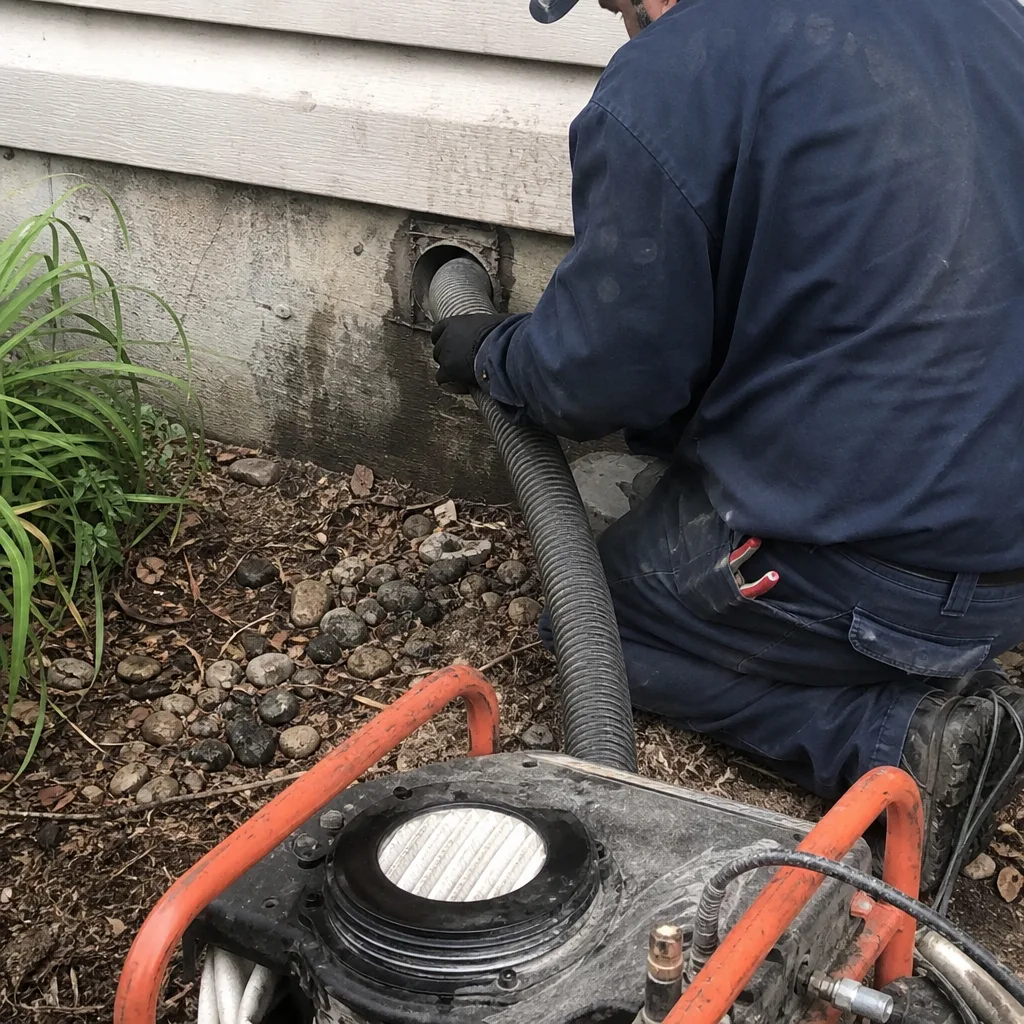 Before
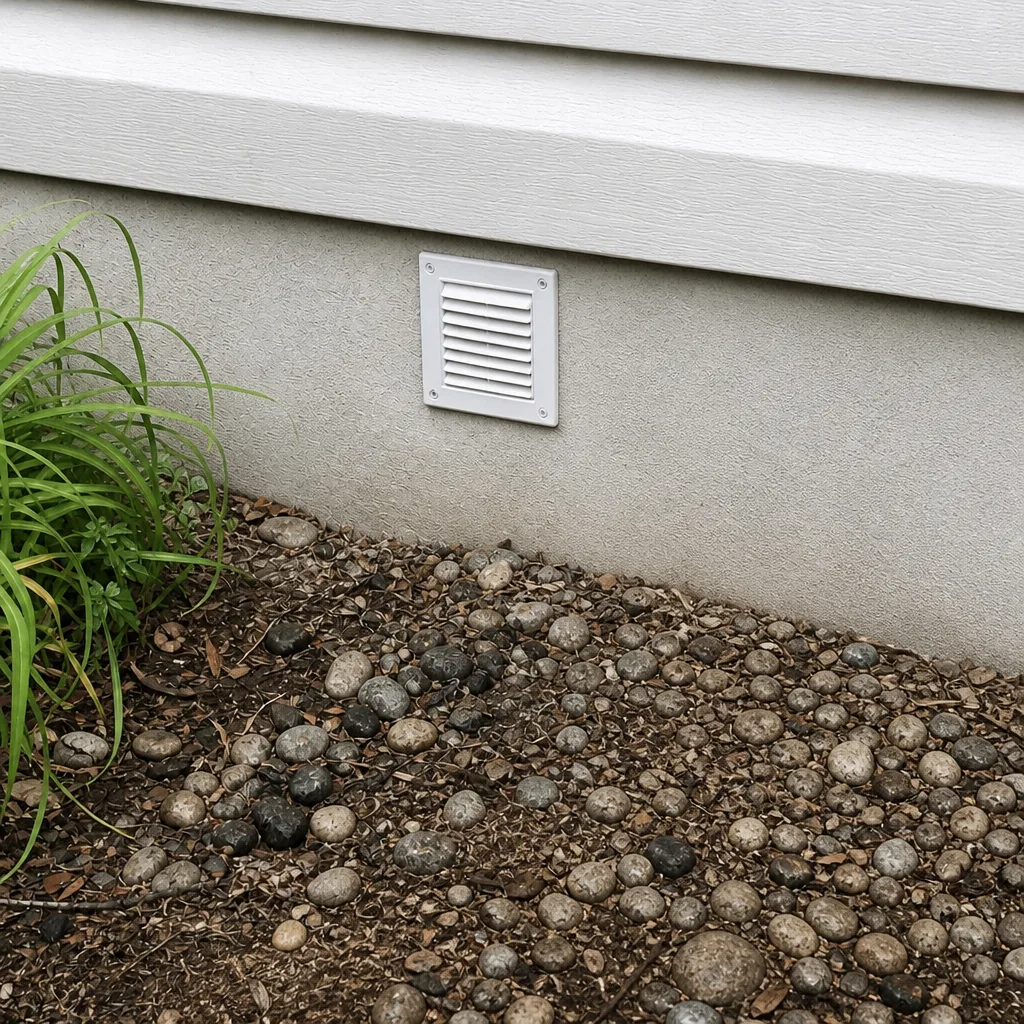 After
When to Call a Professional
Duct cleaning isn’t a routine annual chore for every home. Some signals tell you it’s time to call a professional. Visible dust blowing out of registers when the system starts, a persistent musty odor you can’t trace to the carpet, allergy symptoms that get worse indoors, a pet population that sheds heavily, recent remodeling that kicked up construction dust, or a home you’ve just purchased whose service history is unknown. Those are real triggers, not marketing pressure.
A dryer taking two cycles to dry clothes, or a lint screen that fills faster than it used to, is a signal to schedule dryer vent cleaning before it becomes a safety problem. Lint accumulation is a leading contributor to residential fires, and that’s worth taking seriously.
Lehi Air Duct Cleaning offers free estimates in Lehi and uses professional equipment, including Rotobrush and Nikro systems with Abatement Technologies containment. Call (833) 513-8123 to schedule. We answer 24/7. Fast dispatch from 7am to 7pm, Sunday through Friday.
Frequently Asked Questions
Cost depends on system size, number of registers, and whether add-ons like dryer vent cleaning or duct repair are needed. Rather than quote a per-vent price or a teaser figure, we set one flat price per system after reviewing your home, and that agreed number is what appears on your written estimate before any work starts. Call (833) 513-8123 for an exact quote. Estimates are free. We answer 24/7. Fast dispatch from 7am to 7pm, Sunday through Friday.
Low quotes usually reflect either a cosmetic pass that barely touches the system, a plan to upsell heavily on-site, or equipment that can’t actually clean the duct. Professional equipment and containment cost money. A firm charging under $99 for full-system cleaning is recovering margin another way. Ask each bidder the equipment and scope questions in this guide, and the gap in price becomes easy to understand. Call (833) 513-8123 for a transparent quote built around a single flat price.
Request before-and-after photos of your own system, taken with the plenum panel open and the blower compartment visible. Then walk the system with the technician and confirm the plenum interior looks bare, not dust-coated. A technician who can’t provide photos of your specific ductwork hasn’t given you proof. Call (833) 513-8123 to schedule a job with full photo documentation included.
Utah does not require a license specifically for air duct cleaning, which means the burden of vetting falls on you. NADCA membership, professional equipment brands, and written scopes are the practical substitutes. Check nadca.com before you book. Call (833) 513-8123 if you want to talk through what a documented job looks like.
There’s no universal schedule; it depends on pets, remodeling, occupancy, and how much dust the household generates. For most Lehi homes, a full-system cleaning every few years, or after a renovation, is a reasonable cadence. Homes with heavy pet dander or recent construction usually need it sooner. Call (833) 513-8123 and we’ll help you figure out whether your system is due.
Both. We clean the full pathway from the blower compartment to the vent, then repair and seal compromised ductwork on the same visit if needed. We also sell and install Honeywell and Aprilaire air quality systems, plus Guardsman and Abatement Technologies products. That means cleaning, repair, and long-term air quality improvement can all come from one appointment. Call (833) 513-8123 for a free estimate.
The Bottom Line
Hiring an air duct cleaning contractor in Lehi comes down to equipment, scope, and documentation. Ask the equipment questions, verify NADCA membership on nadca.com, demand a written scope that covers the blower compartment, and insist on before-and-after photos of your own system. Be skeptical of flat-rate pricing under $99 and quotes that never mention the air handler. Price matters less than knowing exactly what will happen inside your ductwork, and a flat price per system agreed in writing is your protection from the bait-and-switch model this industry has earned a reputation for. With those questions in hand, you’ll hire the right contractor and know the job was done correctly.
Call (833) 513-8123 for a free estimate. We answer 24/7. Fast dispatch from 7am to 7pm, Sunday through Friday.
Written by the team at Lehi Air Duct Cleaning.